
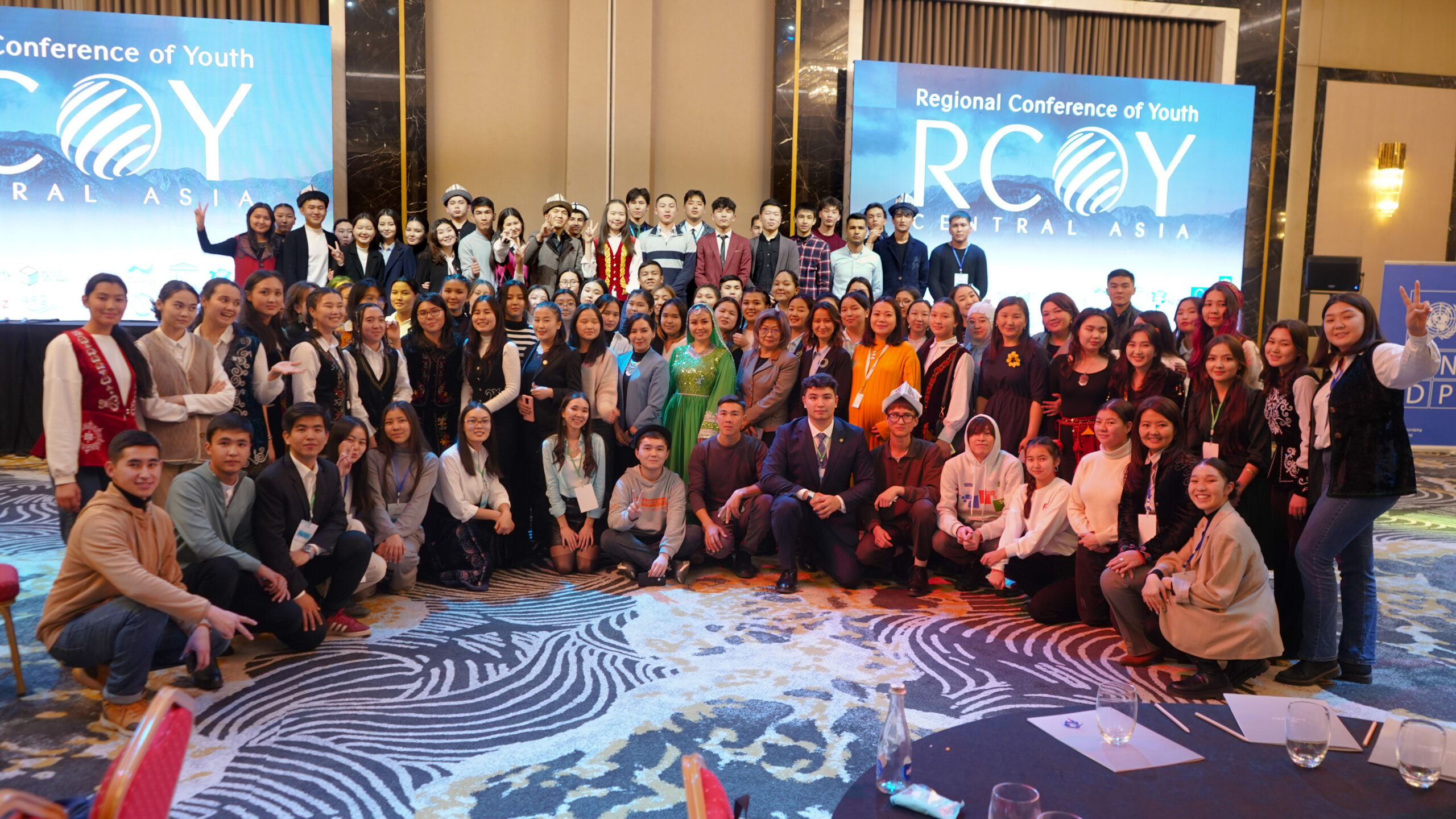
Youth Involvement in Climate Issues in Kazakhstan and Tajikistan: Illusion or Reality?
Government agencies in Central Asian countries and international organizations that deal with environmental issues, especially climate change, do not sufficiently take into account the opinions of young environmentalists, according to young experts from Tajikistan and Kazakhstan, Anisa Abibulloyeva and Mukhtar Amanbayuly.
관련 자료
-
 IIEP-UNESCO 12th Medium-Term Strategy: 2026–2029
 -
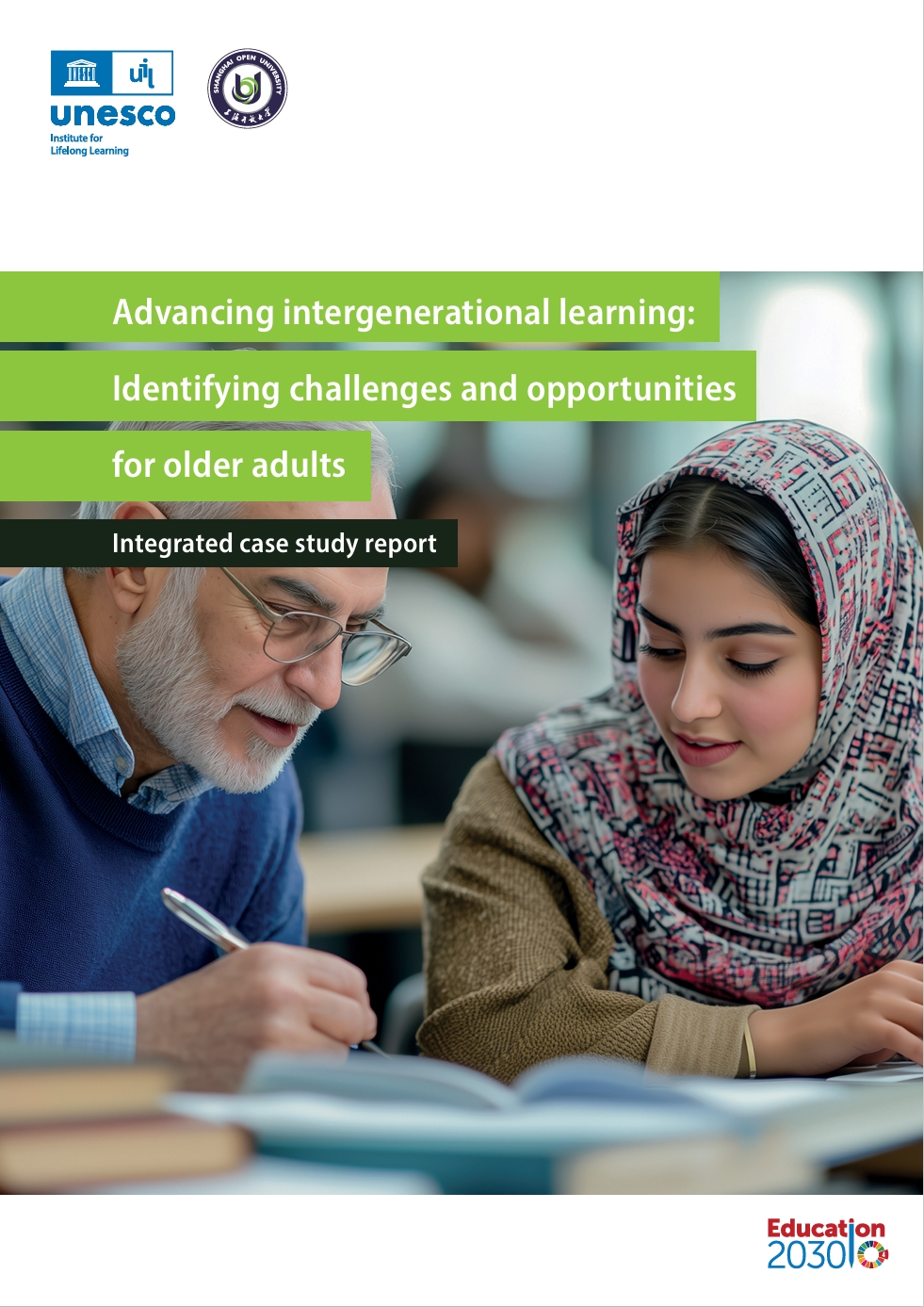 Advancing Intergenerational Learning: Identifying Challenges and Opportunities for Older Adults; Integrated Case Study Report
 -
 Digital Empowerment for Lifelong Learning and Transformative Andragogy (DELTA) for Adult Educators: Introduction to the DELTA Framework and Resources
 -
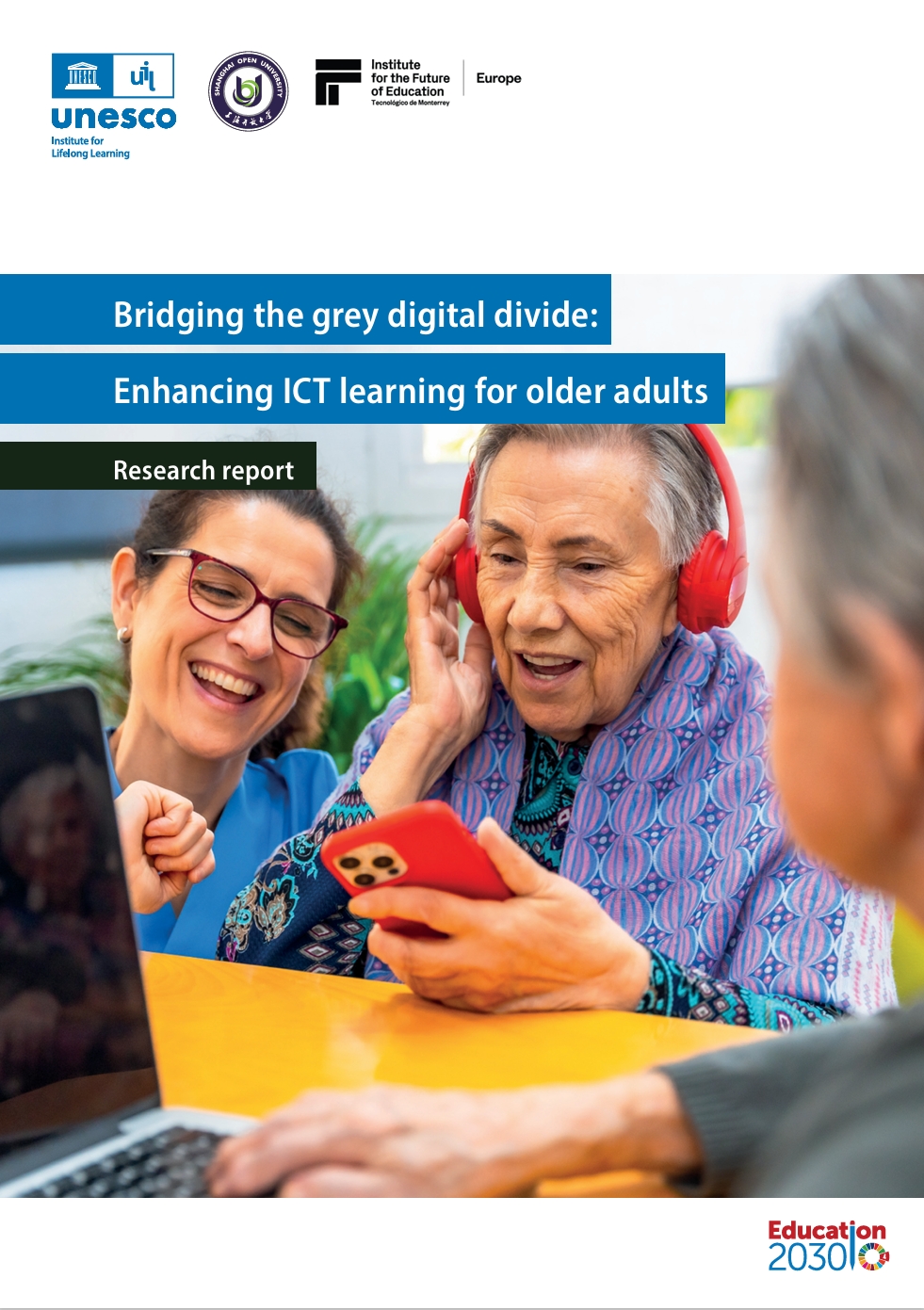 Bridging the Grey Digital Divide: Enhancing ICT Learning for Older Adults; Research Report