
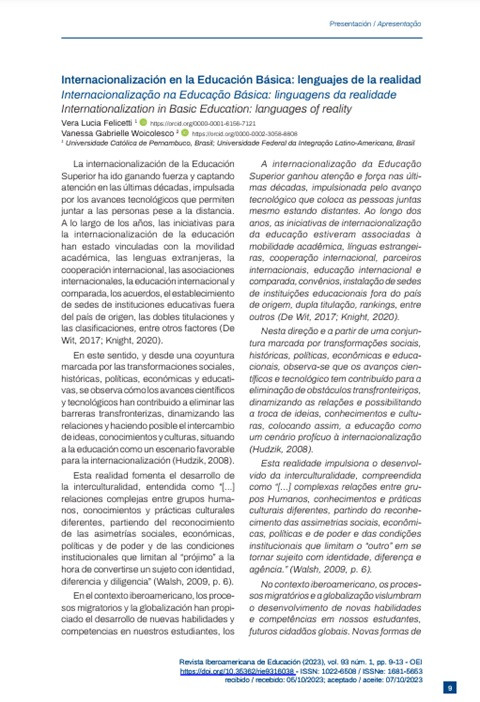
Internationalization in Basic Education: Languages of Reality(Revista iberoamericana de educación; vol. 93, no. 1)
- ISBN
- ISSN 1022-6508
- 형태사항
- p. 9-13
- 원래 언어
- 스페인어포르투갈어
- 발행 연도
- 2023
The presence of internationalization practices in Basic Education schools has been quietly taking shape on the national, Ibero-American and international stage, but the absence of records of the actions that characterize them as internationalization continues to be a gap in their understanding. From these silent practices of internationalization we see the potential to build knowledge while respecting the interculturality that permeates the educational space. In this sense, we must recognize and understand these practices as internationalization processes, with a view to debating and reflecting on how they can contribute to the improvement of the educational system from an Ibero-American perspective.
관련 자료
-
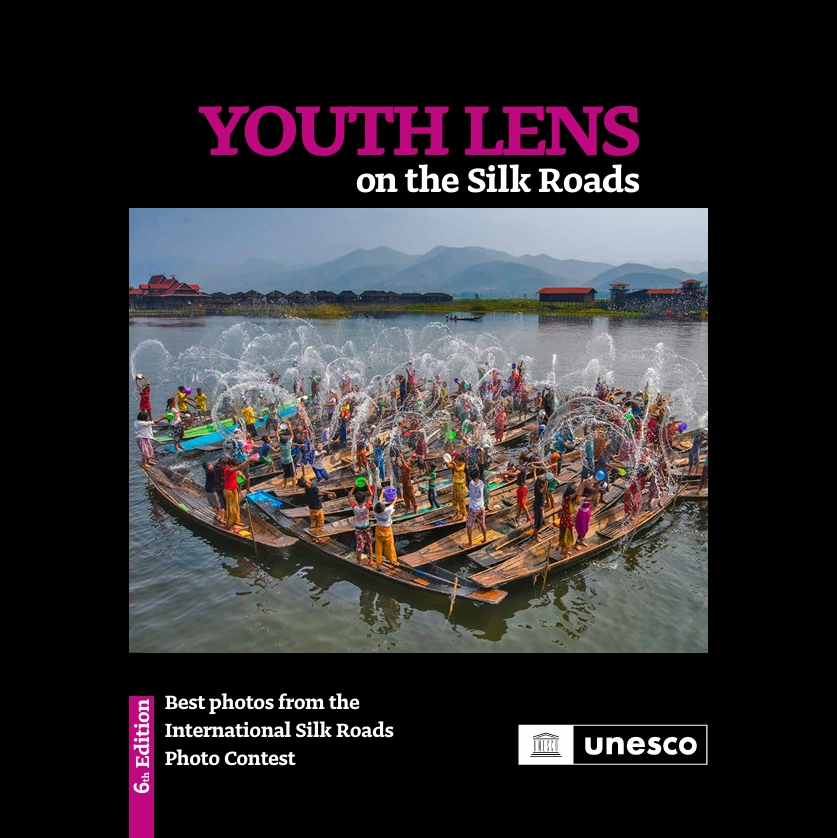 Youth Lens on the Silk Roads: Best Photos from the International Silk Roads Photo Contest; 6th Edition
 -
 Addressing Violent Pasts through Education: A Policy Guide
 -
 UNESCO Framework for Culture and Arts Education: Implementation Guidance
 -
 The Representation of Jews, Judaism and Antisemitism in School Textbooks and Curricula in Europe