
The Contribution of the New Mexican Culture to Education for World Citizenship(Sinéctica, Revista electrónica de educación; no. 60)
- ISBN
- ISSN 2007-7033
- 형태사항
- p. 1-14
- 원래 언어
- 스페인어
- 발행 연도
- 2023
- 키워드
- 세계시민교육Integral educationPedagogical modelsBasic educationFormación integralModelos pedagógicosEducación básica
A couple of years ago, UNESCO suggested transforming educational models based on an in-tegral and humanist paradigm in order to train new generations with a social and civic di-mension, based on human rights. In this essay we propose to analyze the work of education as a preferential instrument not only to develop traditional school skills, but also as an ac-tion to form citizens with a sense of responsibility and social self-awareness that promote a culture of peace. The citizen-subject represents an identity or discursive construction that is forged in the social framework in which it is situated, always in tension between individual freedom, autonomy and collective normative frameworks (Cerda, 2004), hence the interest in approaching from a critical perspective of discourse analysis (Van Dijk, 2014) to the pro-posal of the new educational model of Mexico called the New Mexican School (2022) and open the discussion on this pedagogical model and the formative fields that affect education for global citizenship.
관련 자료
-
 Study on the Historical Impact of the 1974 Recommendation concerning Education for International Understanding, Cooperation and Peace and Education relating to Human Rights and Fundamental Freedoms
 -
 IIEP-UNESCO 12th Medium-Term Strategy: 2026–2029
 -
 More than Welcome: Intercultural Integration of Migrants in and Through Higher Education
 -
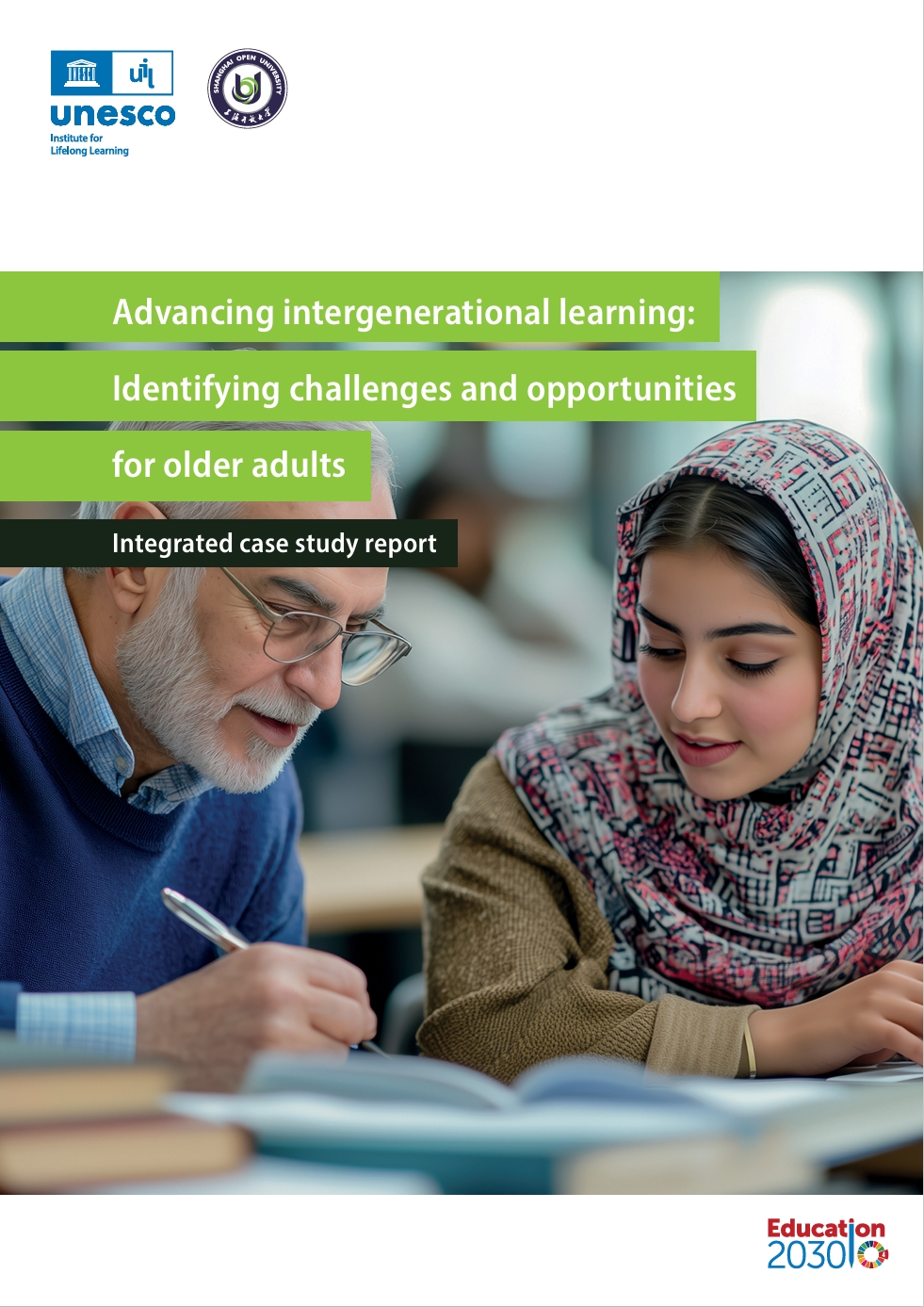 Advancing Intergenerational Learning: Identifying Challenges and Opportunities for Older Adults; Integrated Case Study Report