
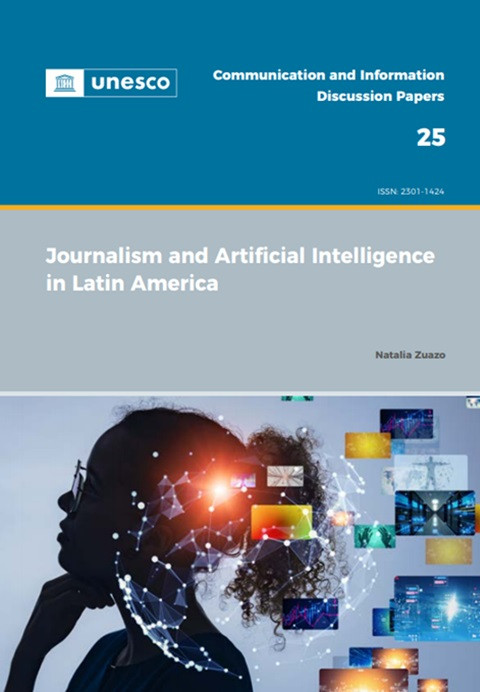
Journalism and Artificial Intelligence in Latin America
- 단체 저자
- UNESCO Montevideo
- ISBN
- ISSN 2301-1424
- 형태사항
- (eng) 50 p.; (spa) 51 p.
- 원래 언어
- 영어스페인어
- 발행 연도
- 2023
- 자료 유형
- 국제규범 / 정책∙옹호 문서
- 출판지역
- Montevideo
In a context of exponential growth of artificial intelligence (AI) and technological dominance in all spheres of life — economic, social, cultural, environmental, and political —, this Paper explores the impact of AI on journalism from a critical and ethical perspective, with special attention to Latin America. It addresses inequalities and challenges inherent in the implementation of AI in the region. The aim is to offer an useful tool in the continuous training of students and media professionals.
관련 자료
-
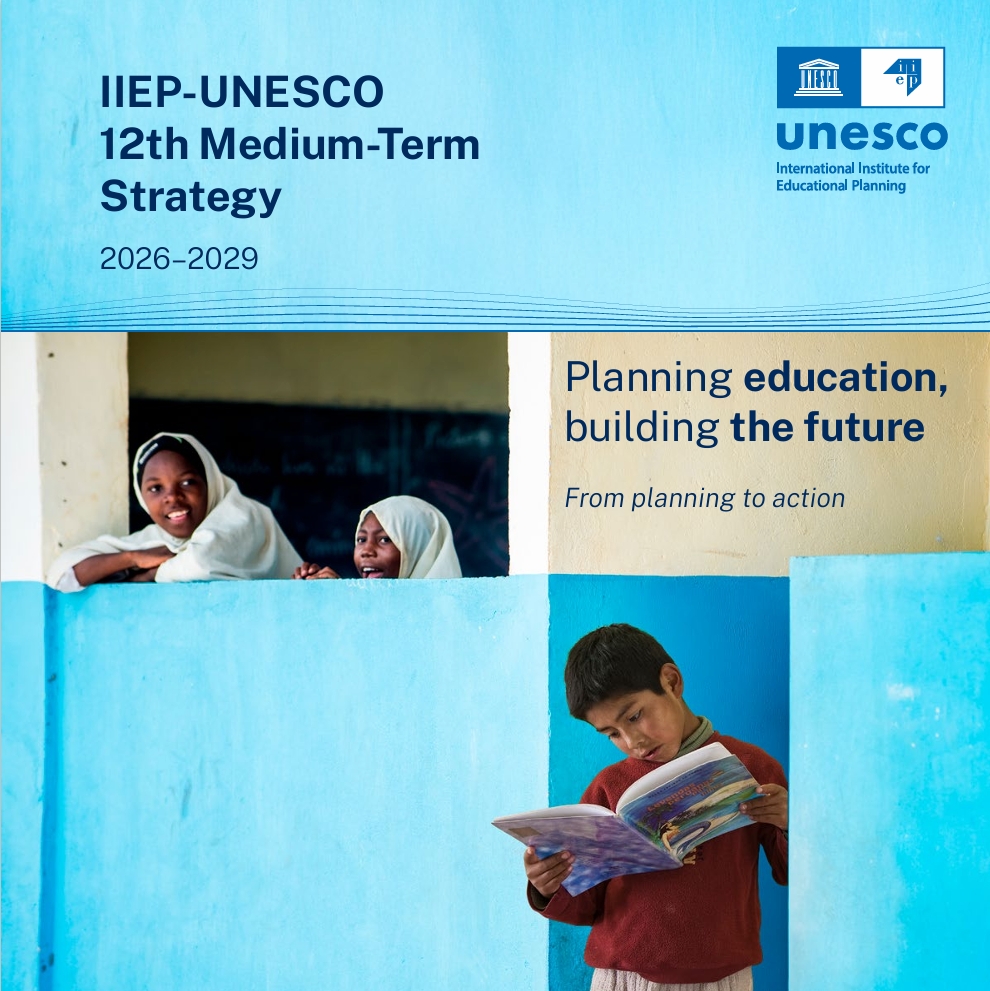 IIEP-UNESCO 12th Medium-Term Strategy: 2026–2029
 -
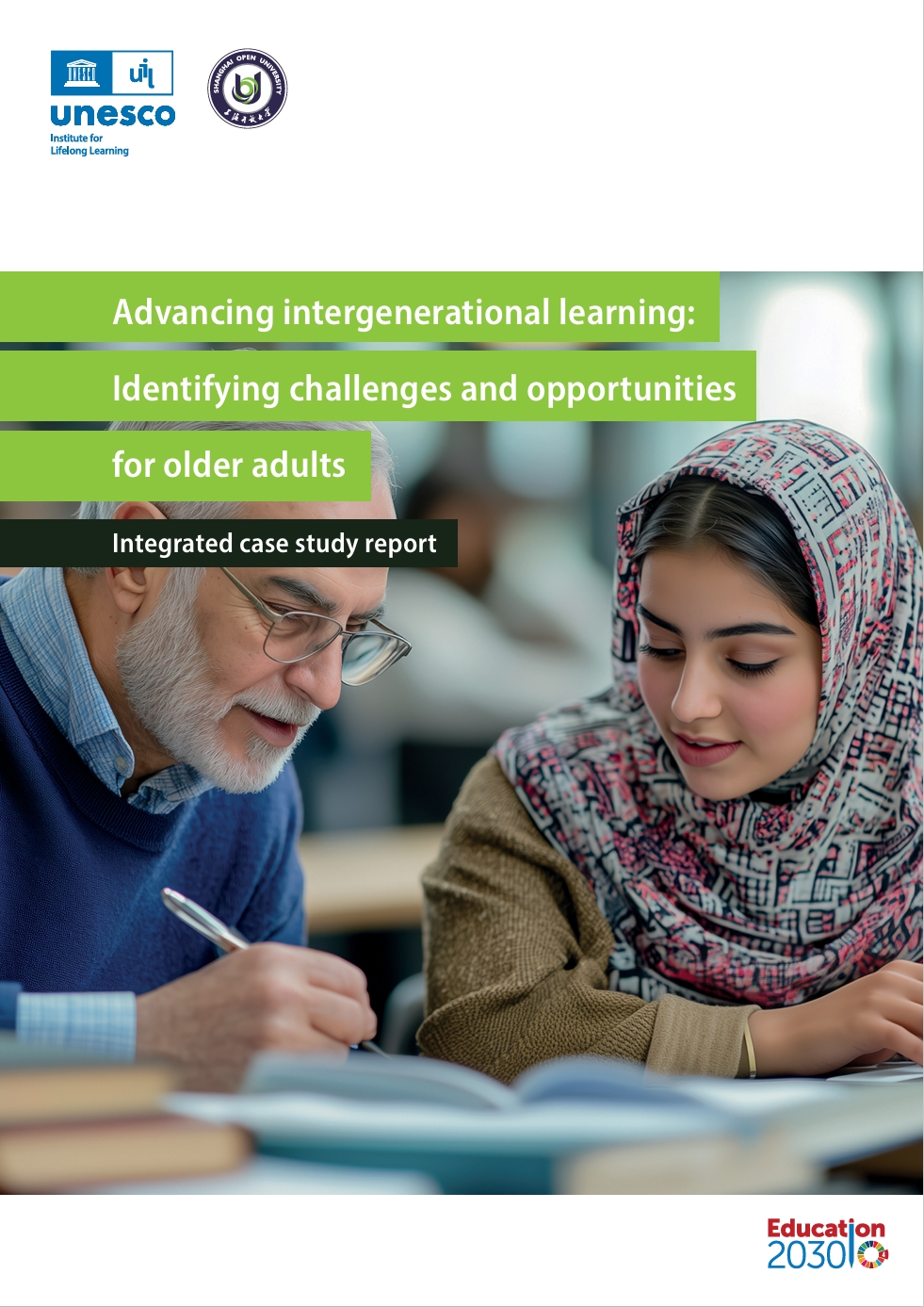 Advancing Intergenerational Learning: Identifying Challenges and Opportunities for Older Adults; Integrated Case Study Report
 -
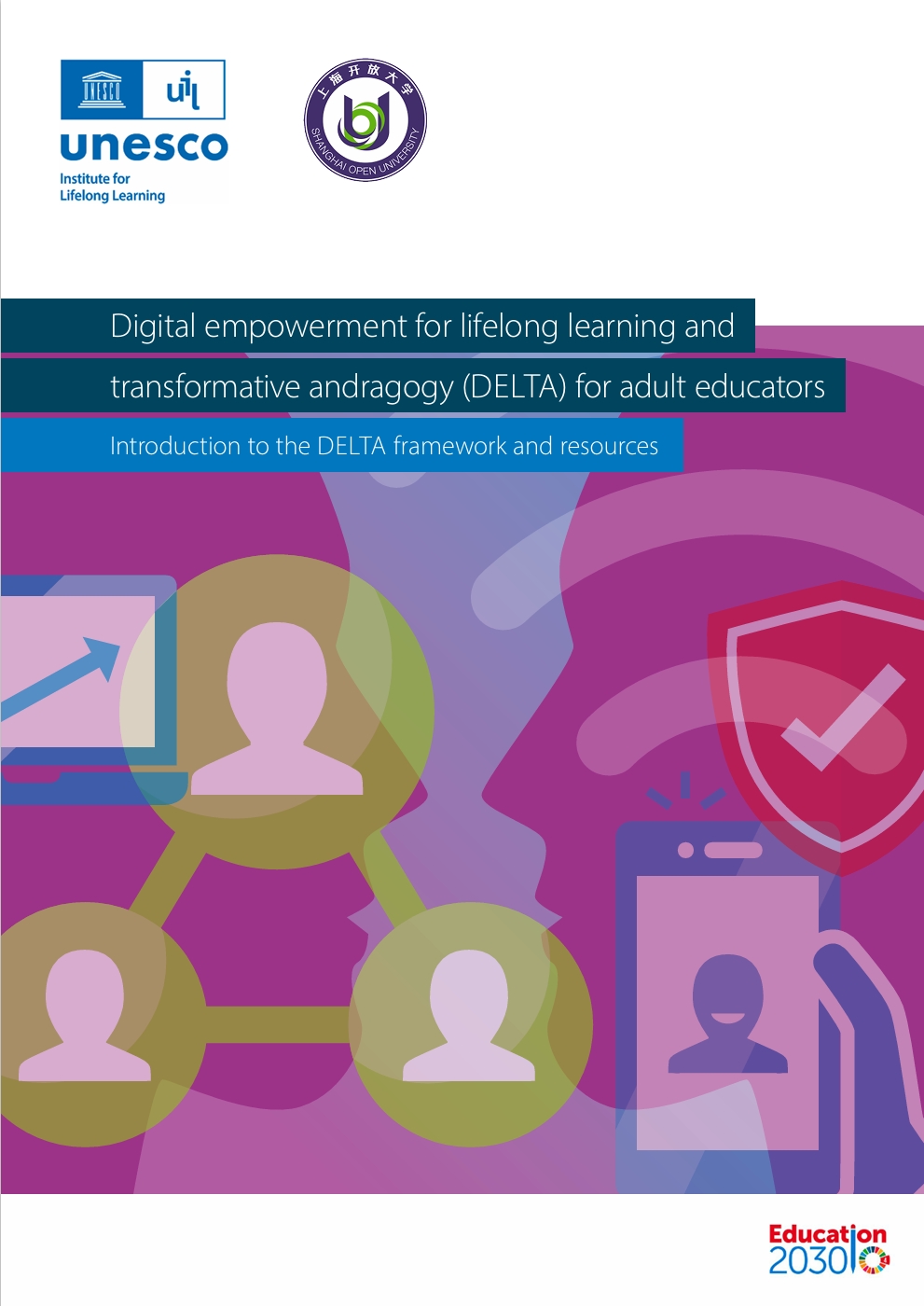 Digital Empowerment for Lifelong Learning and Transformative Andragogy (DELTA) for Adult Educators: Introduction to the DELTA Framework and Resources
 -
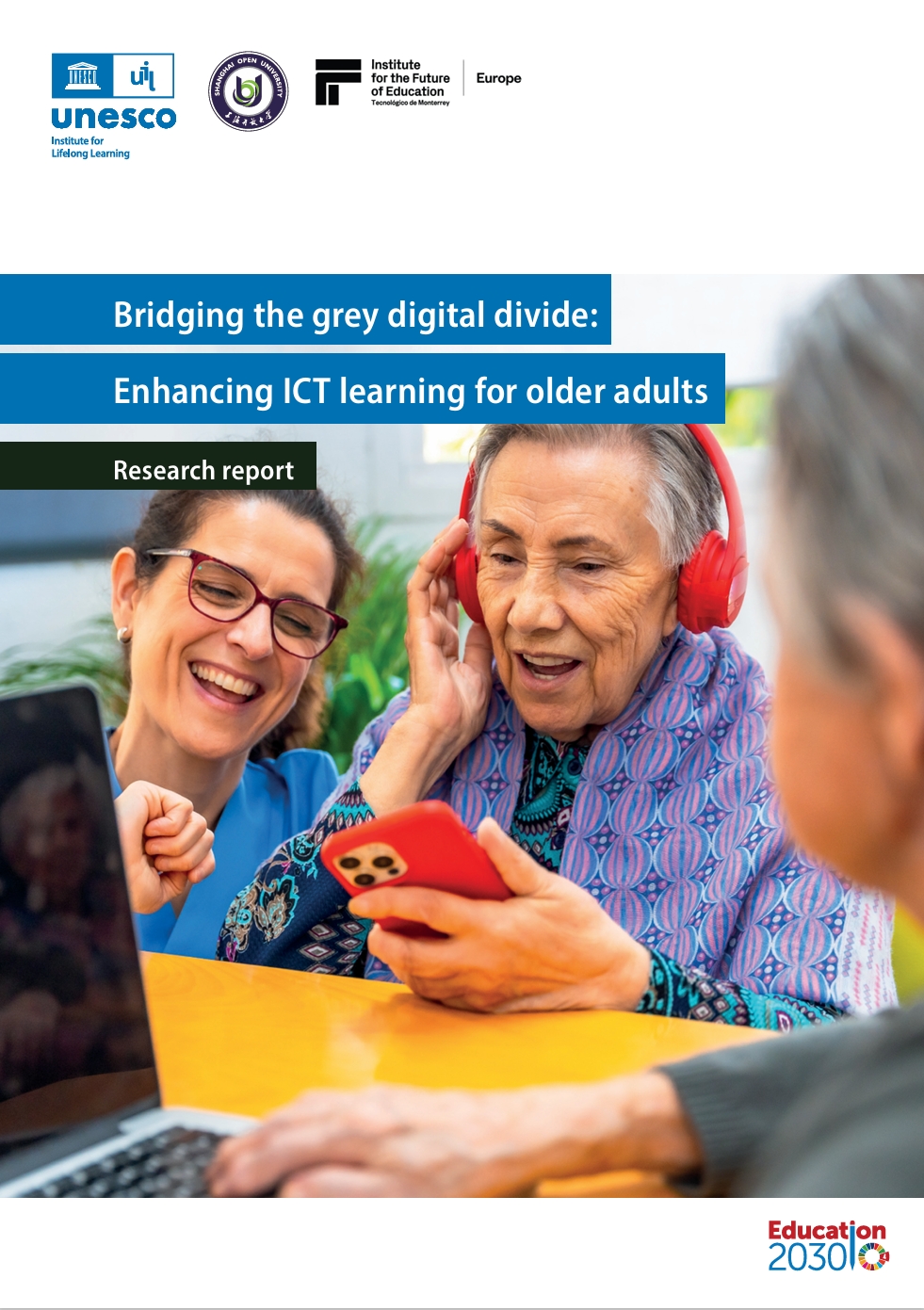 Bridging the Grey Digital Divide: Enhancing ICT Learning for Older Adults; Research Report