

Education and the Laying the Foundations of Citizenship for Arab Humans
This article deals with the issue of citizenship and its variations focusing on its relation to democracy being a mechanism to achieve social justice. Real democracy has three determinants: people’s participation in taking the decisions, in implementing them and in benefiting from their effects. The paper also tried to focus on the fundamentals of citizenship from the perspective of effective participation in all aspects of social, economic and cultural life, on one side, and on the determinants of citizenship such as human rights -the right to life, freedom, equality, justice, work, thinking, expression and belief… from the other - all those rights represent the main determinants of the strength of the homeland and citizenship. Among the human rights conventions: The Universal Islamic Declaration of Human Rights, The Universal Declaration of Human Rights of 1948, The European Convention on Human Rights.
관련 자료
-
 IIEP-UNESCO 12th Medium-Term Strategy: 2026–2029
 -
 Youth Lens on the Silk Roads: Best Photos from the International Silk Roads Photo Contest; 6th Edition
 -
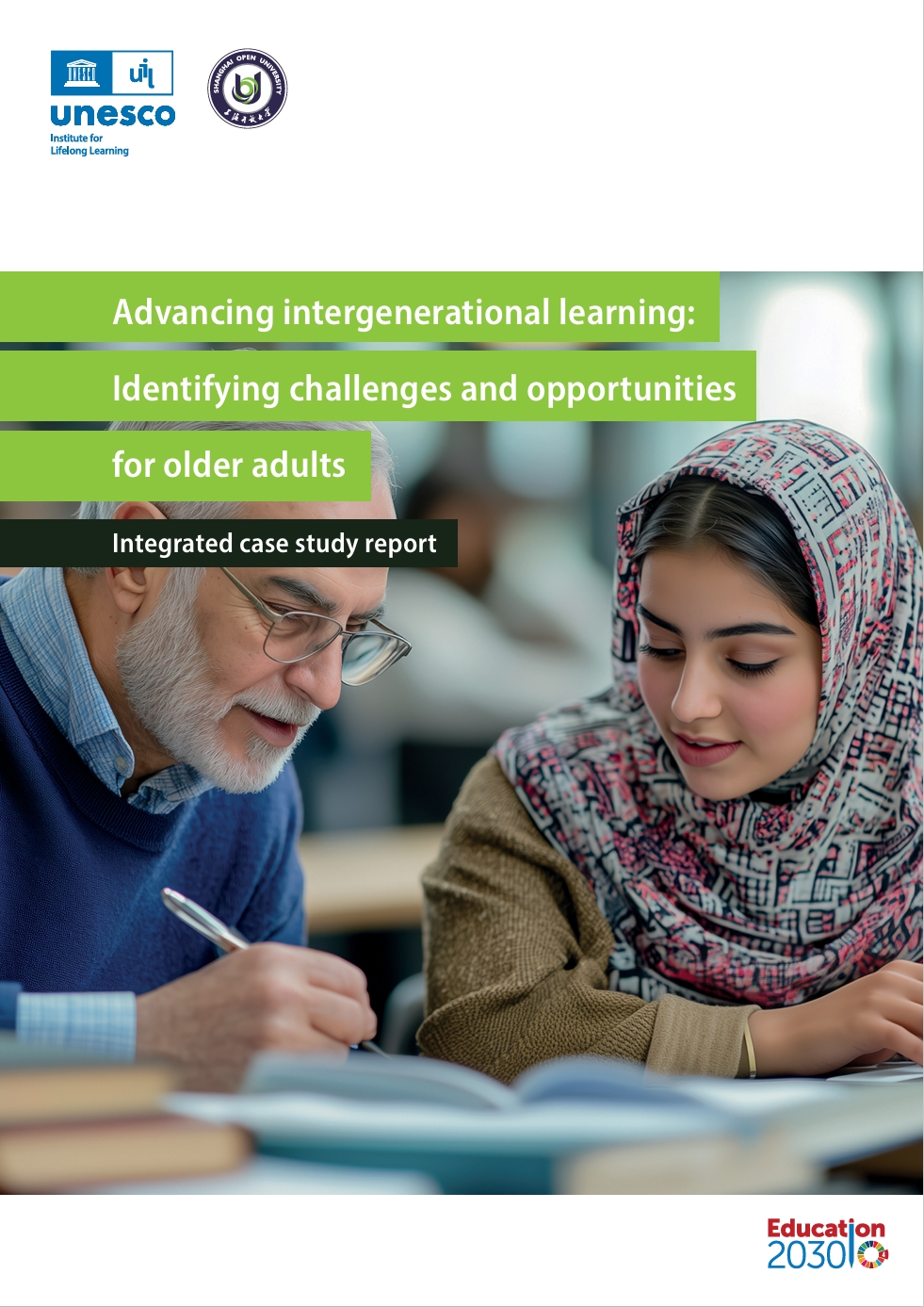 Advancing Intergenerational Learning: Identifying Challenges and Opportunities for Older Adults; Integrated Case Study Report
 -
 Digital Empowerment for Lifelong Learning and Transformative Andragogy (DELTA) for Adult Educators: Introduction to the DELTA Framework and Resources