
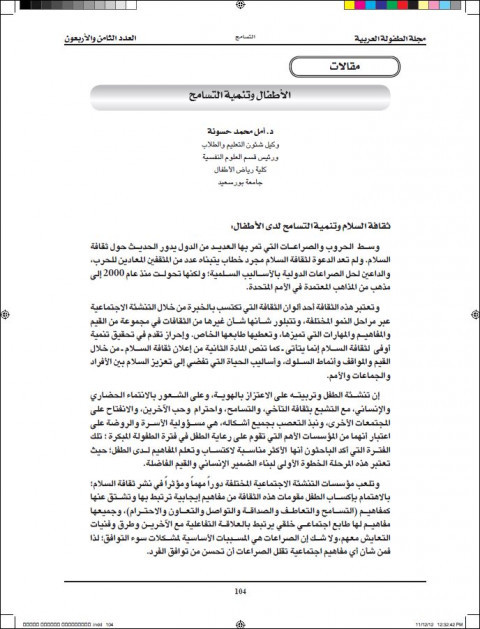
Children and Developing Tolerance
This paper dealt with the issue of peace education and the nurturing of toleration among children proceeding from the idea that this culture is acquired through social nurturing along the different stages of development. It covered a group of values, concepts and skills that distinguish this culture and give it it’s special character.
The paper also focuses on the importance of children acquiring peace culture at an early age since it is considered a preventive solution that protects them from future conflicts and provides them with positive coexistence skills in society and saves them from violence and aggression. On the other side, the paper concentrates on the importance of tolerance which makes it must for education policies and programs to contribute to developing understanding, solidarity and toleration among individuals. All of this aims at creating responsible and interdependent citizens, open to other cultures and capable of preventing conflicts or solving them peacefully.
관련 자료
-
 Study on the Historical Impact of the 1974 Recommendation concerning Education for International Understanding, Cooperation and Peace and Education relating to Human Rights and Fundamental Freedoms
 -
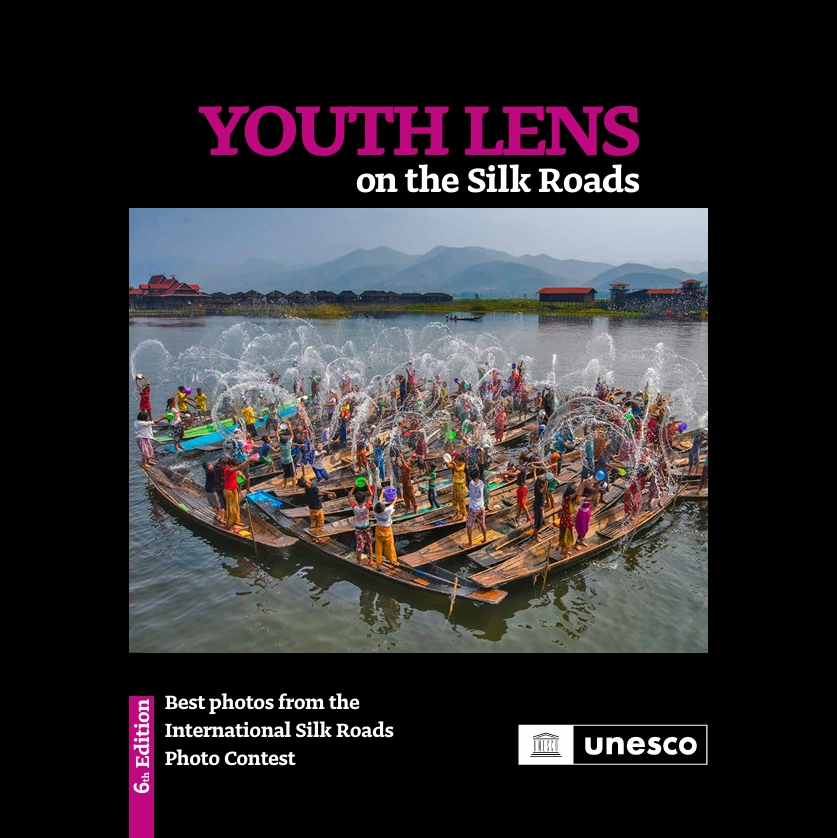 Youth Lens on the Silk Roads: Best Photos from the International Silk Roads Photo Contest; 6th Edition
 -
 More than Welcome: Intercultural Integration of Migrants in and Through Higher Education
 -
 Addressing Violent Pasts through Education: A Policy Guide