
Holocaust education: An investigation into the types of learning that take place when students encounter the Holocaust
This study employs qualitative methods to investigate the types of learning that occurred when students in a single school encountered the Holocaust. The study explored the experiences of 48 students, together with two of their teachers and a Holocaust survivor who visited the school annually to talk to the students. A thematic analysis was conducted to identify prevalent similarities in the students’ responses. Three themes were identified, analysed and discussed. The three themes were: ‘surface level learning’ (their academic knowledge and understanding of the Holocaust), ‘affective learning’ (their emotional engagement with the topic) and ‘connective learning’ (how their encounter with the Holocaust fitted their developing worldview). The first theme revealed that students had a generally sound knowledge of the Holocaust, but there were discrepancies in the specifics of their knowledge. The second theme revealed that learning about the Holocaust had been an emotionally traumatic and complicated process. It also revealed that meeting a Holocaust survivor had a significant impact upon the students, but made them begin to question the provenance of different sources of Holocaust learning. The third theme showed that students had difficulty connecting the Holocaust with modern events and made flawed connections between the two. Finally, the study examines the views of the Holocaust survivor in terms of his intentions and his reasons for giving his testimony in schools. The study’s conclusions are drawn within the context of proposing a new conceptualization of the Holocaust as a ‘contested space’ in history and in collective memory. A tripartite approach to Holocaust Education is suggested to affect high quality teaching within the ‘contested space’ of the event. (By the author)
관련 자료
-
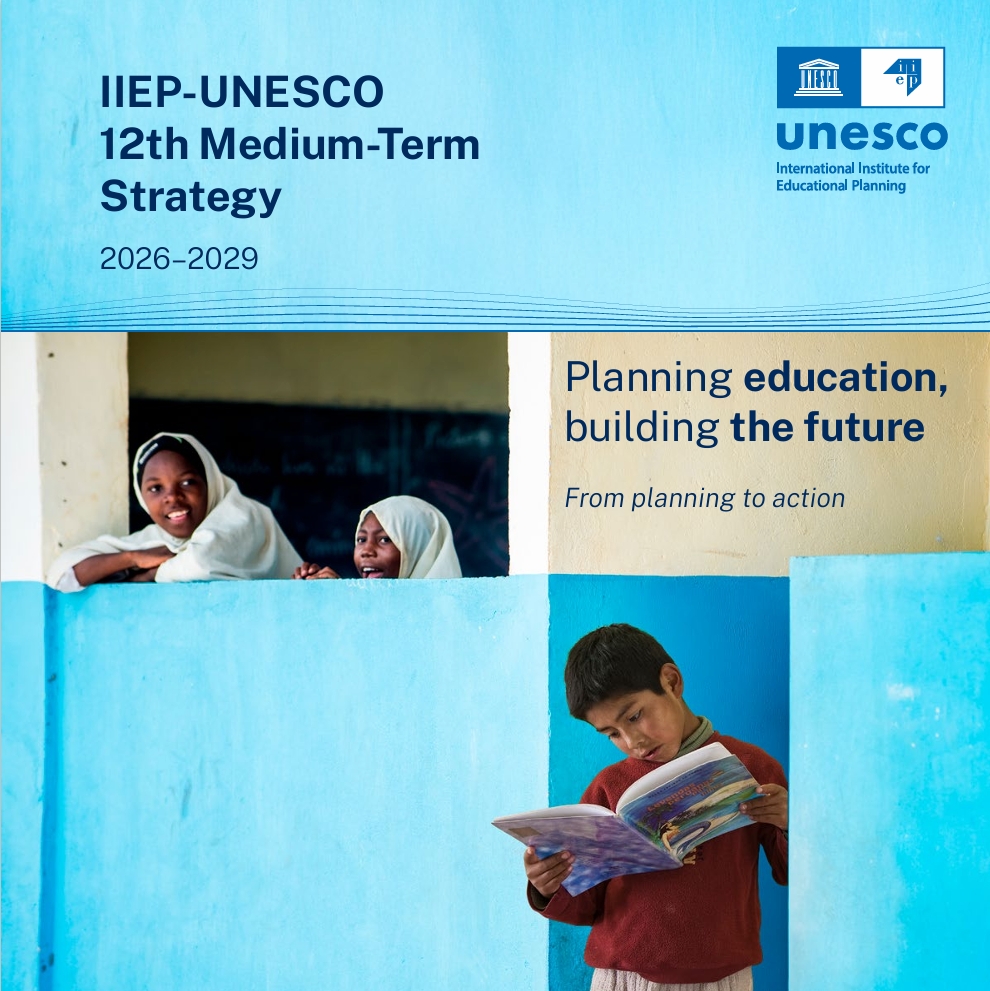 IIEP-UNESCO 12th Medium-Term Strategy: 2026–2029
 -
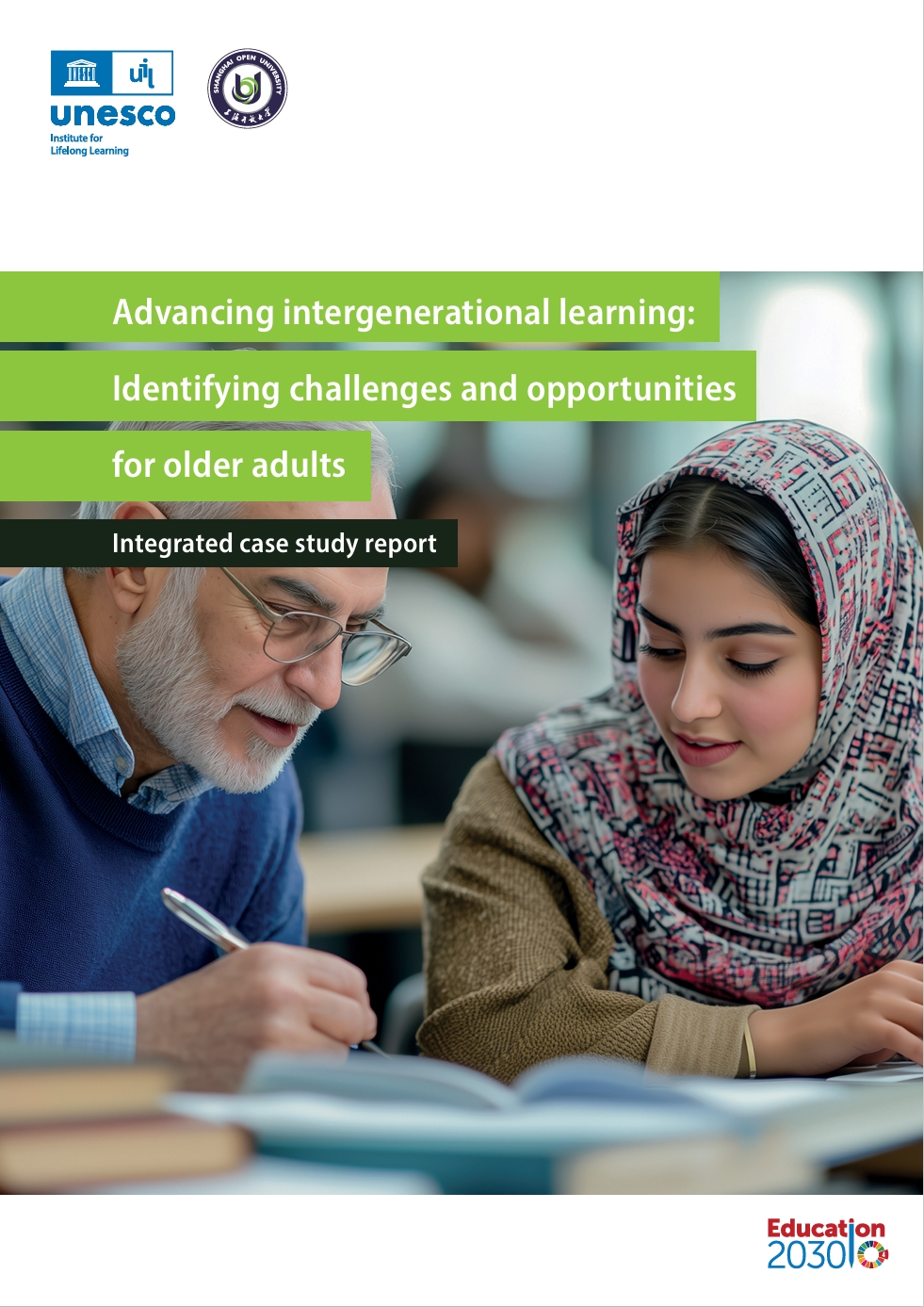 Advancing Intergenerational Learning: Identifying Challenges and Opportunities for Older Adults; Integrated Case Study Report
 -
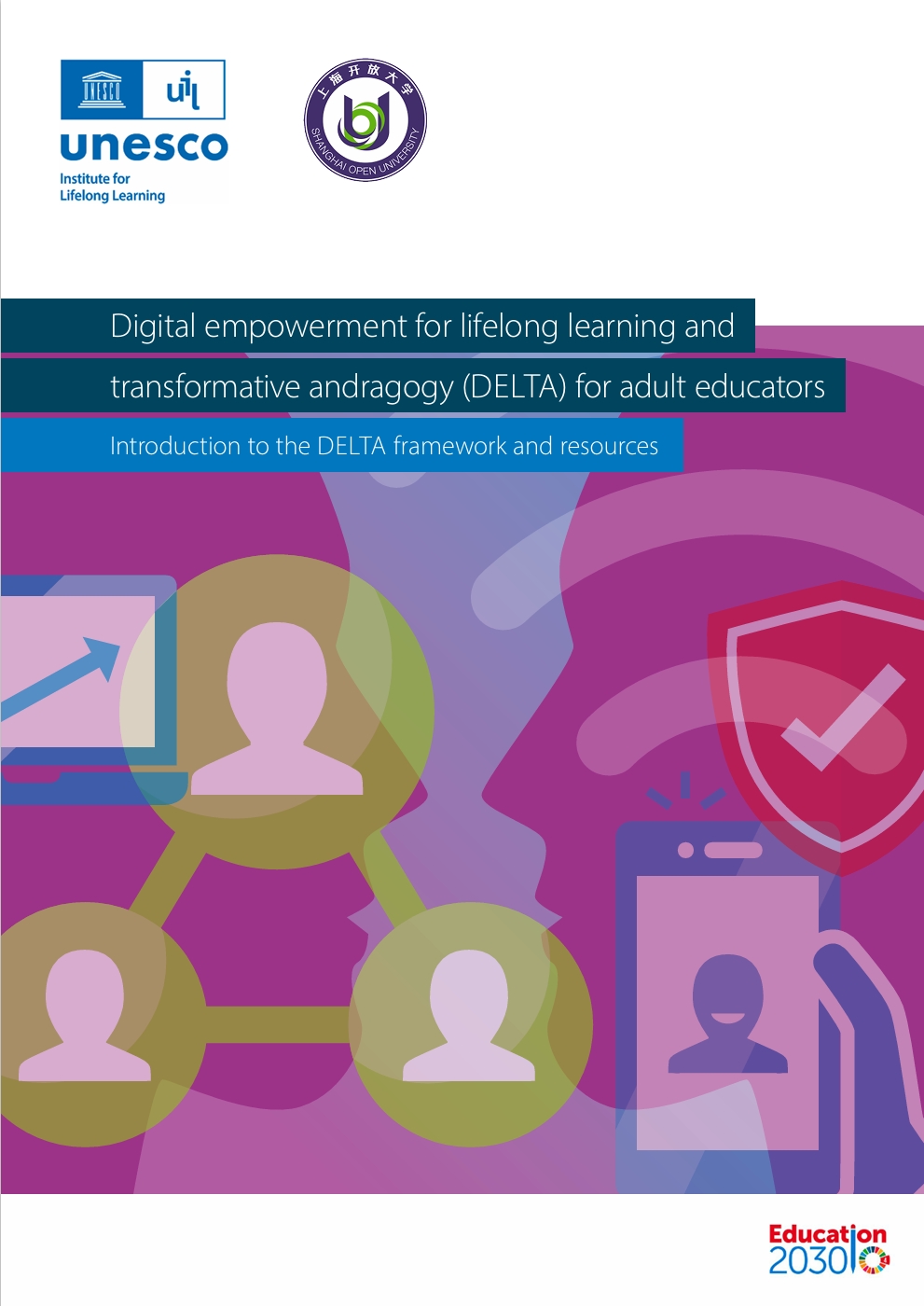 Digital Empowerment for Lifelong Learning and Transformative Andragogy (DELTA) for Adult Educators: Introduction to the DELTA Framework and Resources
 -
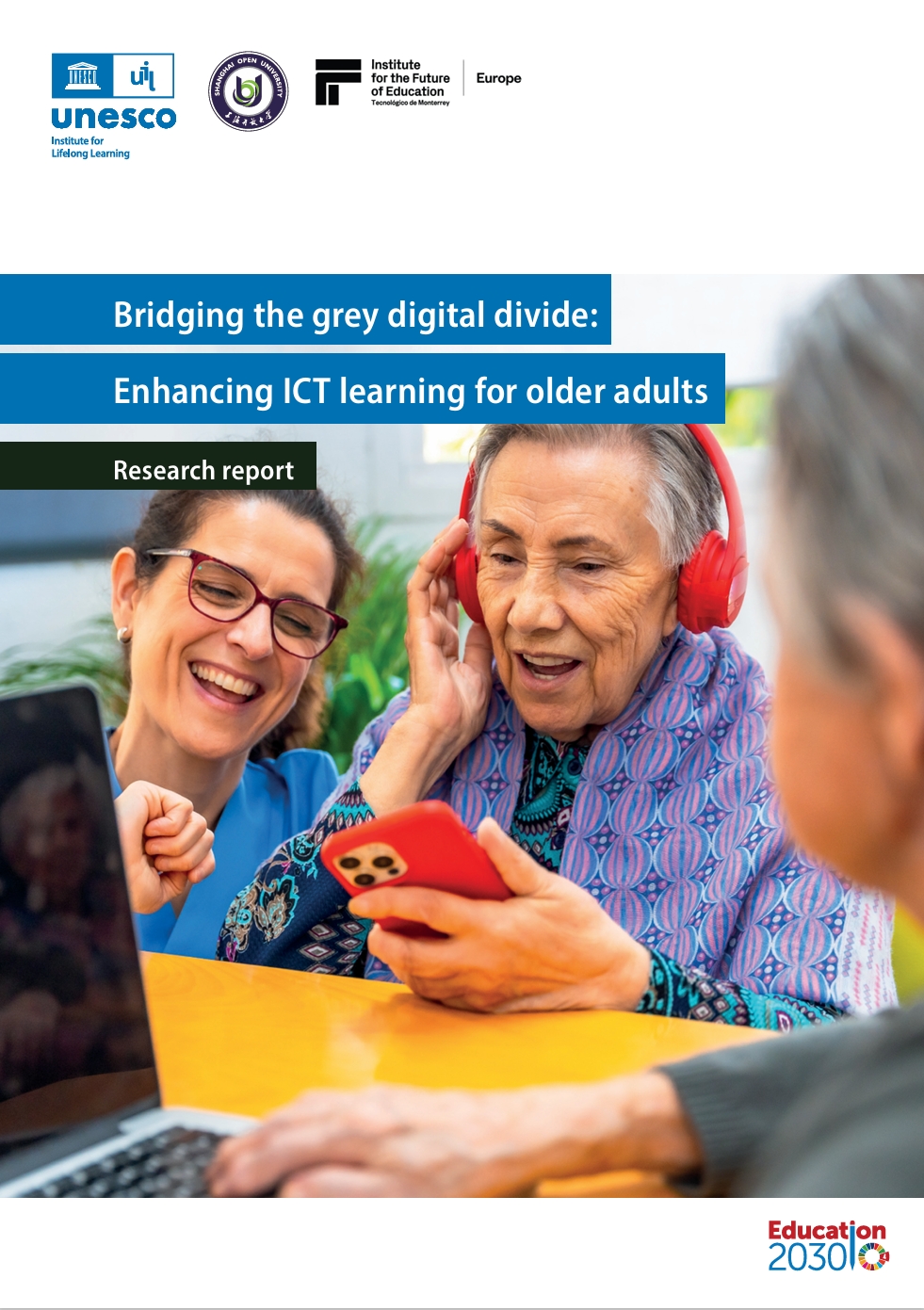 Bridging the Grey Digital Divide: Enhancing ICT Learning for Older Adults; Research Report