
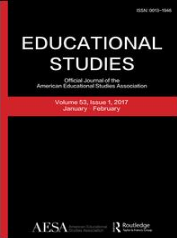
Breaking Historical Silence through Cross-cultural collaboration: Latvian curriculum writers and United States Holocaust Memorial Museum fellows
In response to the need for Holocaust curricula in Latvia, Latvians and Americans worked collaboratively to overcome the historical silence surrounding this event. During their project, Latvian curriculum writers worked with teachers and scholars at the United States Holocaust Memorial Museum. This descriptive analysis of the Latvians' experience with Museum Fellows revealed opportunities to learn from each other the complexities of teaching the Holocaust in a country viewed by some as collaborators and still somewhat anti-Semitic. Findings included depth of guidance, values, and limits of innovative teaching methods, cross-cultural benefits, and continued collaboration. Recommendations for future efforts by post-Communist countries and American partners to develop curriculum on teaching a most complex and contentious aspect of history such as the Holocaust conclude the study. (By the author)
관련 자료
-
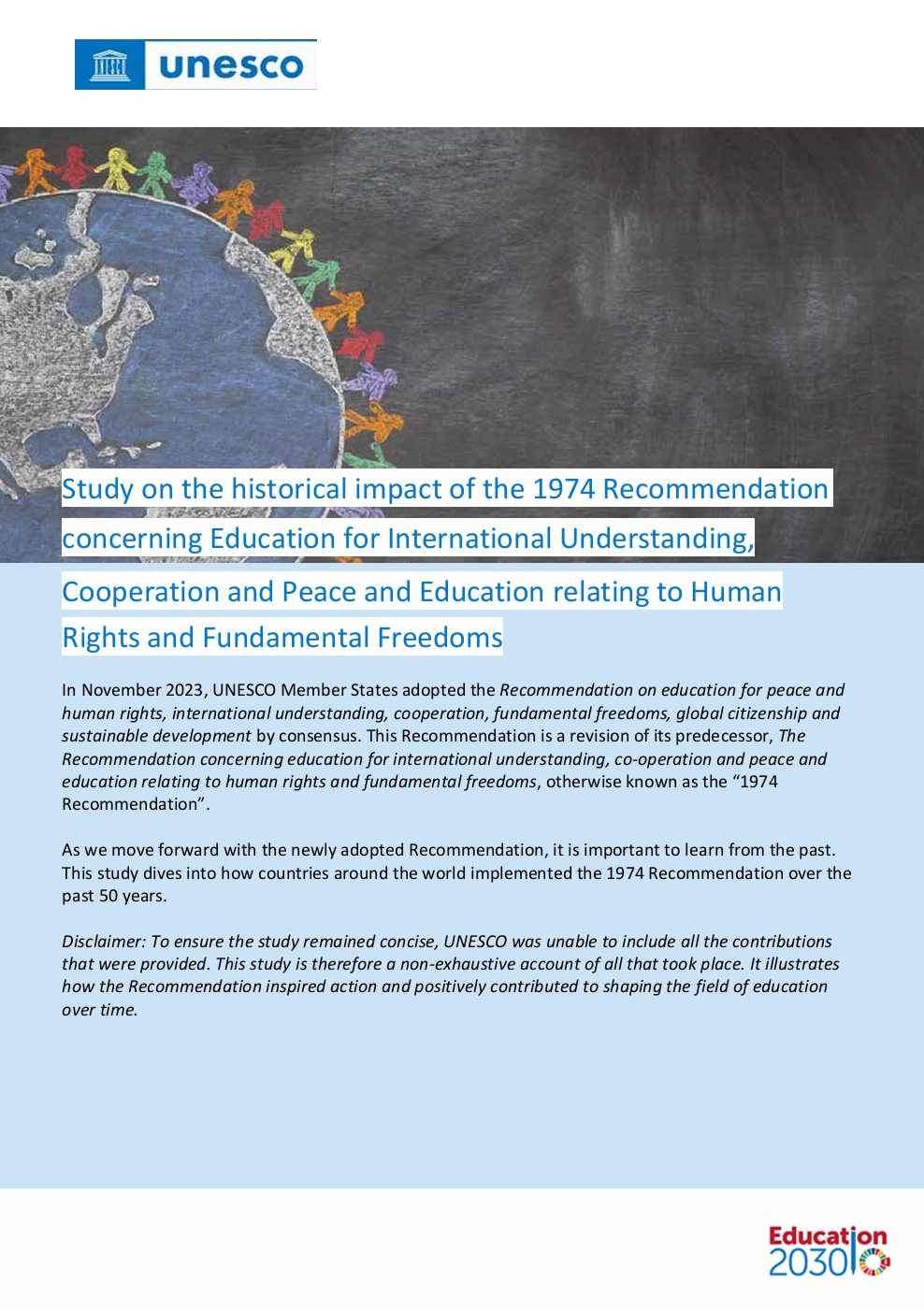 Study on the Historical Impact of the 1974 Recommendation concerning Education for International Understanding, Cooperation and Peace and Education relating to Human Rights and Fundamental Freedoms
 -
 IIEP-UNESCO 12th Medium-Term Strategy: 2026–2029
 -
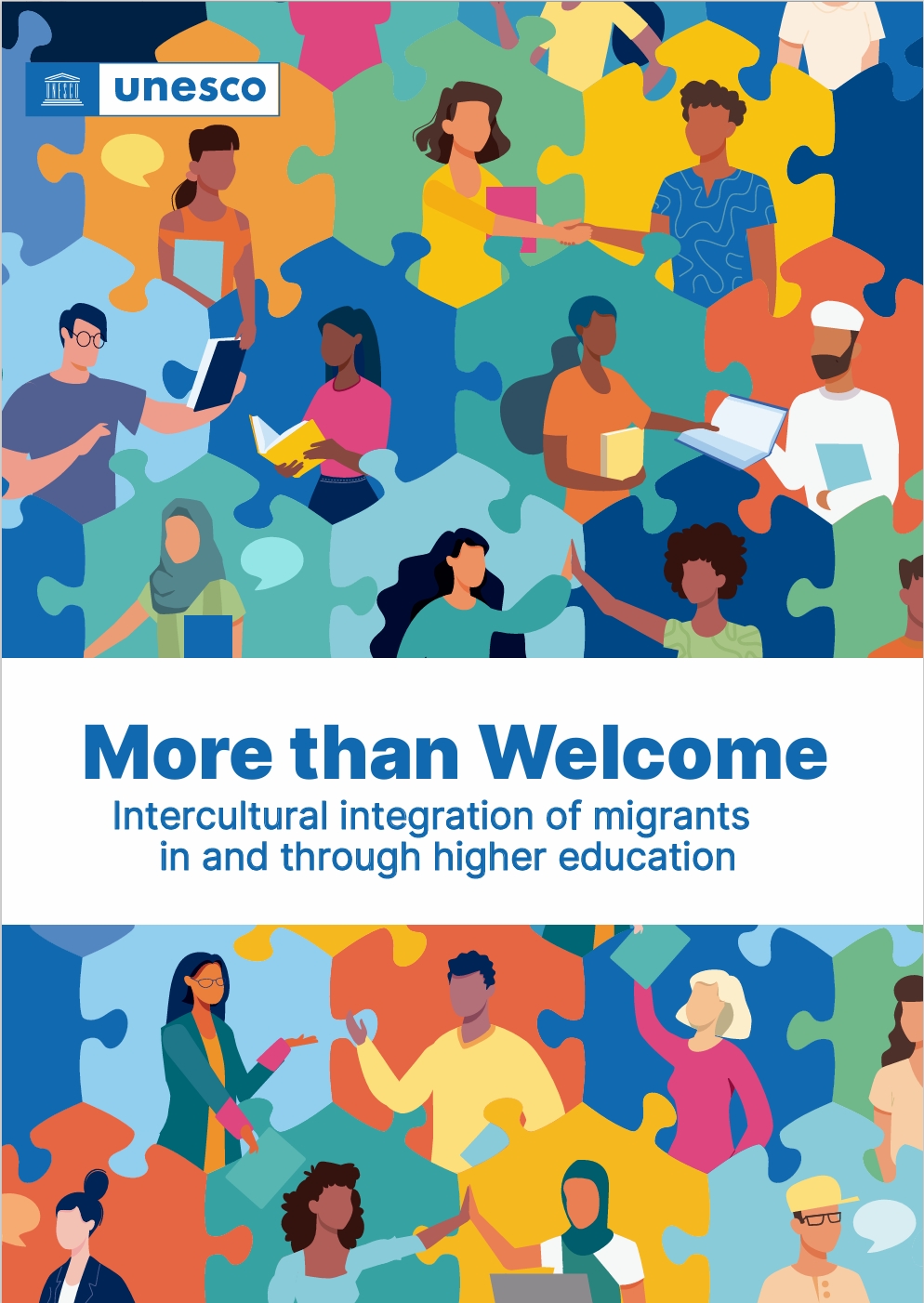 More than Welcome: Intercultural Integration of Migrants in and Through Higher Education
 -
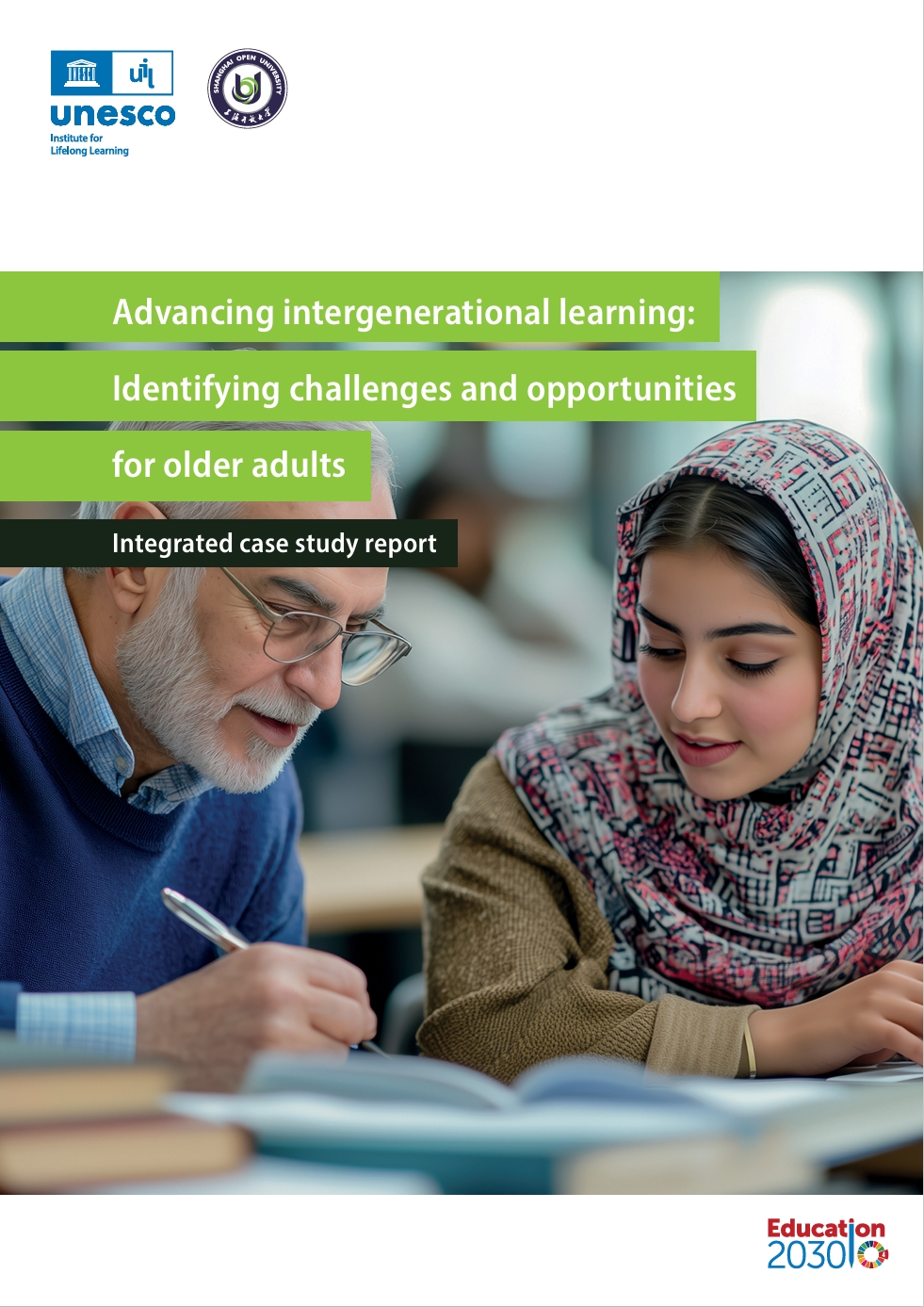 Advancing Intergenerational Learning: Identifying Challenges and Opportunities for Older Adults; Integrated Case Study Report