
Fostering “Citizenship” in Poor Neighborhoods: The Professionals of Urban Social Development Tested at Children and Young People
- ISBN
- ISSN 1703-9665 (numérique)
- 형태사항
- p. 171–189
- 원래 언어
- 프랑스어
- 발행 연도
- 2018
This article examines the tensions that govern the injunction to behave like a citizen in the working-class neighborhoods in France. More specifically, it focuses on recruited or appointed professionals of social urban development’s practices by social housing organizations, who fight against antisocial behavior of which the tenants children are made responsible (damages, vandalism and so on…). The social interventions designed by these professionals for children and young people are similar to forms of citizenship education that oscillate between normalization behavior and development of commitment to the common good. On the one hand, they are meant to be encounters that can lead to questioning about living together in the neighborhood. And on the other hand, because they want to keep a managerial approach of public spaces, they find it hard to resist to the simple reminder of the basic norms of living together in a community. To avoid this moral approach to citizenship, agents seek to empower their audience so that it thinks itself about how to solve the problems it faces. According to a capability-driven of citizenship, this participatory work implies to master the rules of civility. Consequently, it is aimed at the most influential young people, the “bigger brothers” with coaching skills. The professionals then seek to give them “codes” to be recognized as partners of the institutions. But this partnership involves acquiring some skills, indeed these young people will have to adapt the ways of doing and saying local politics without publicizing their ordinary critics of the institutional functioning.
관련 자료
-
 Study on the Historical Impact of the 1974 Recommendation concerning Education for International Understanding, Cooperation and Peace and Education relating to Human Rights and Fundamental Freedoms
 -
 IIEP-UNESCO 12th Medium-Term Strategy: 2026–2029
 -
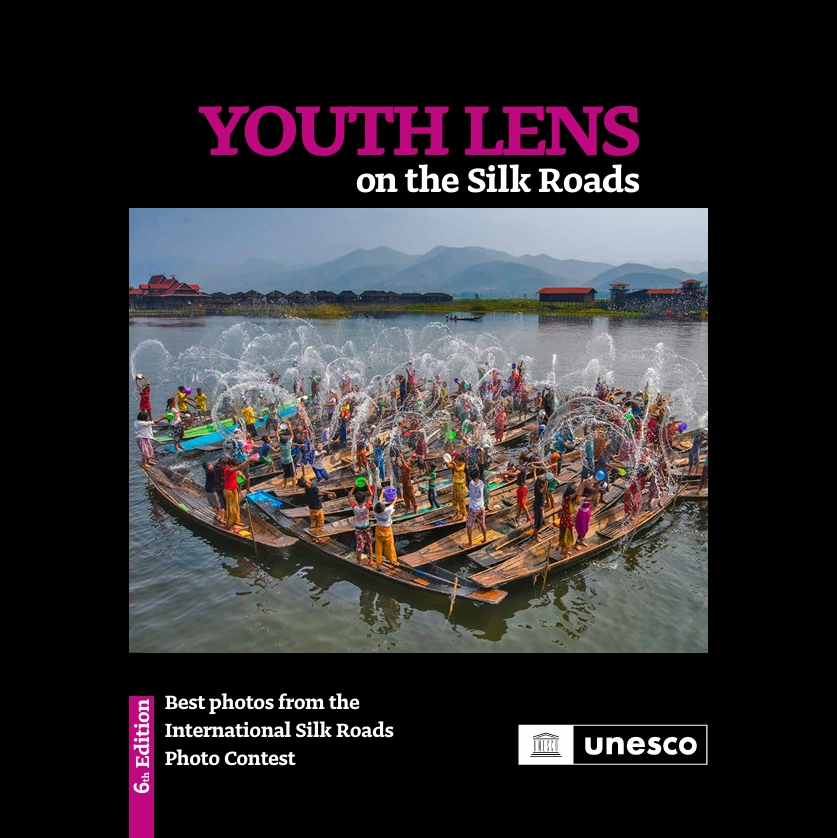 Youth Lens on the Silk Roads: Best Photos from the International Silk Roads Photo Contest; 6th Edition
 -
 More than Welcome: Intercultural Integration of Migrants in and Through Higher Education