
Voltooid verleden tijd? Het verband tussen kennis over de nazi-genocide en democratische attitudes bij adolescenten in Brussel
Schools are expected to educate children to become democratic citizens by providing “civics” or history courses. It is believed that the formal curriculum affects each pupil’s level of awareness, which in turn influences civic competencies and social attitudes. This supposition is explicitly stated in ‘holocaust-education’ programmes and in ‘civics’courses. Accordingly, knowing about the atrocities of the Nazis would stimulate tolerance, and thus counter prejudice. The current contribution tests this supposition using surveydata (2002) from 773 French-speaking and 469 Flemish-speaking last-grade pupils from secondary schools in the Brussels-Capital Region. The survey probed for knowledge on the Nazi genocide and attitude scales (ethnocentrism and anti-democracy). The supposition about the connection between knowledge and tolerance holds partially for the Flemish, but not for the French-speaking sample. Knowledge may be a necessary, but is certainly not a sufficient, condition to foster tolerance. (By the author)
관련 자료
-
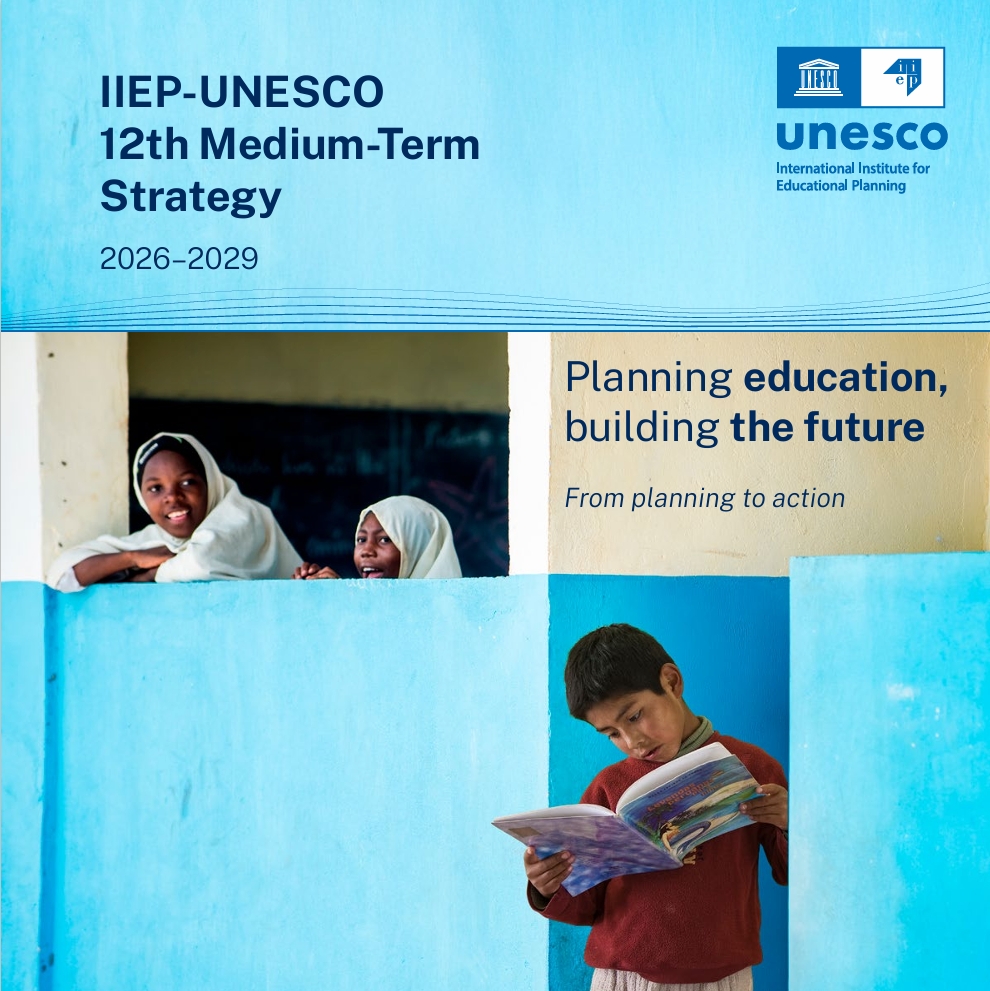 IIEP-UNESCO 12th Medium-Term Strategy: 2026–2029
 -
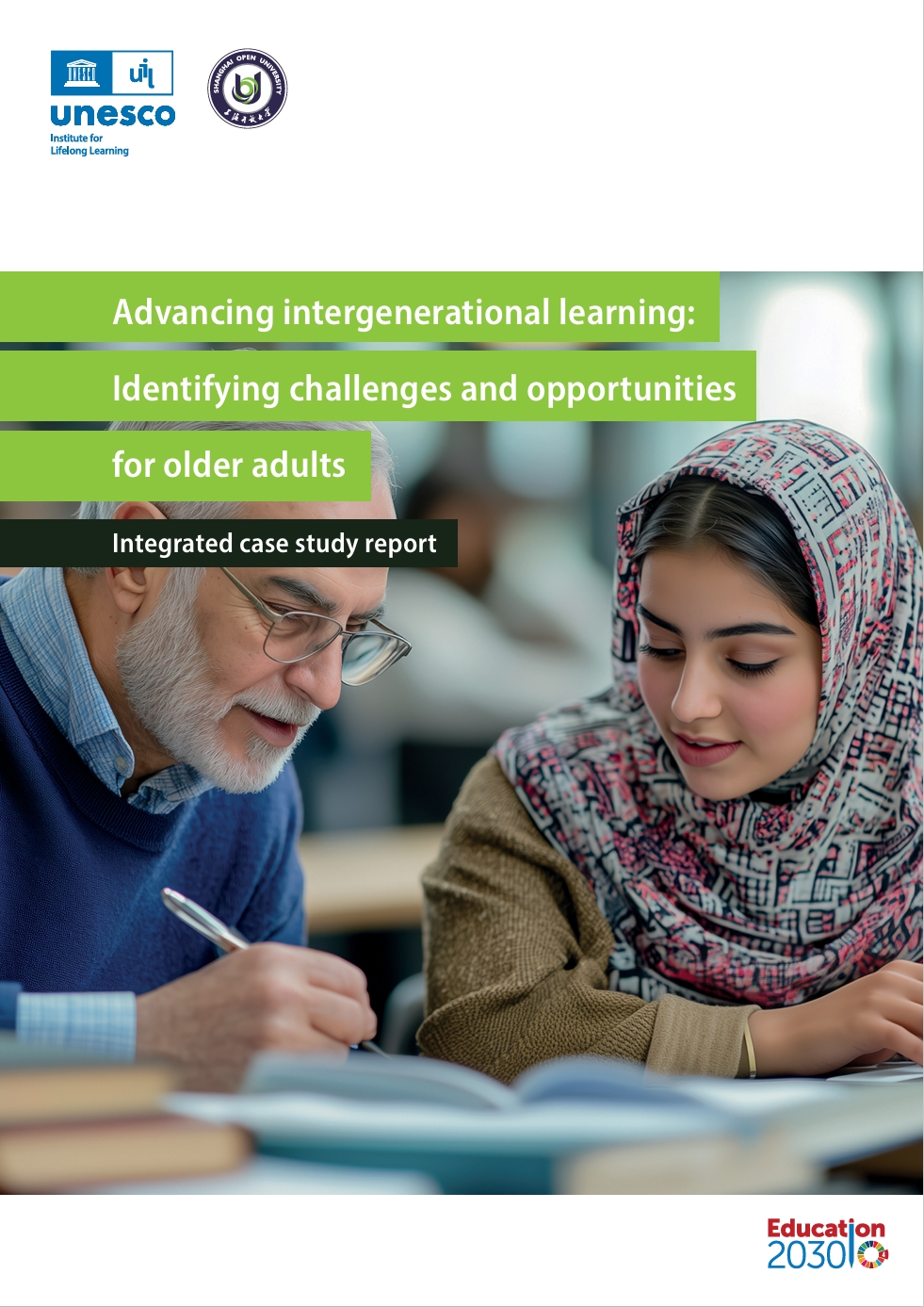 Advancing Intergenerational Learning: Identifying Challenges and Opportunities for Older Adults; Integrated Case Study Report
 -
 Digital Empowerment for Lifelong Learning and Transformative Andragogy (DELTA) for Adult Educators: Introduction to the DELTA Framework and Resources
 -
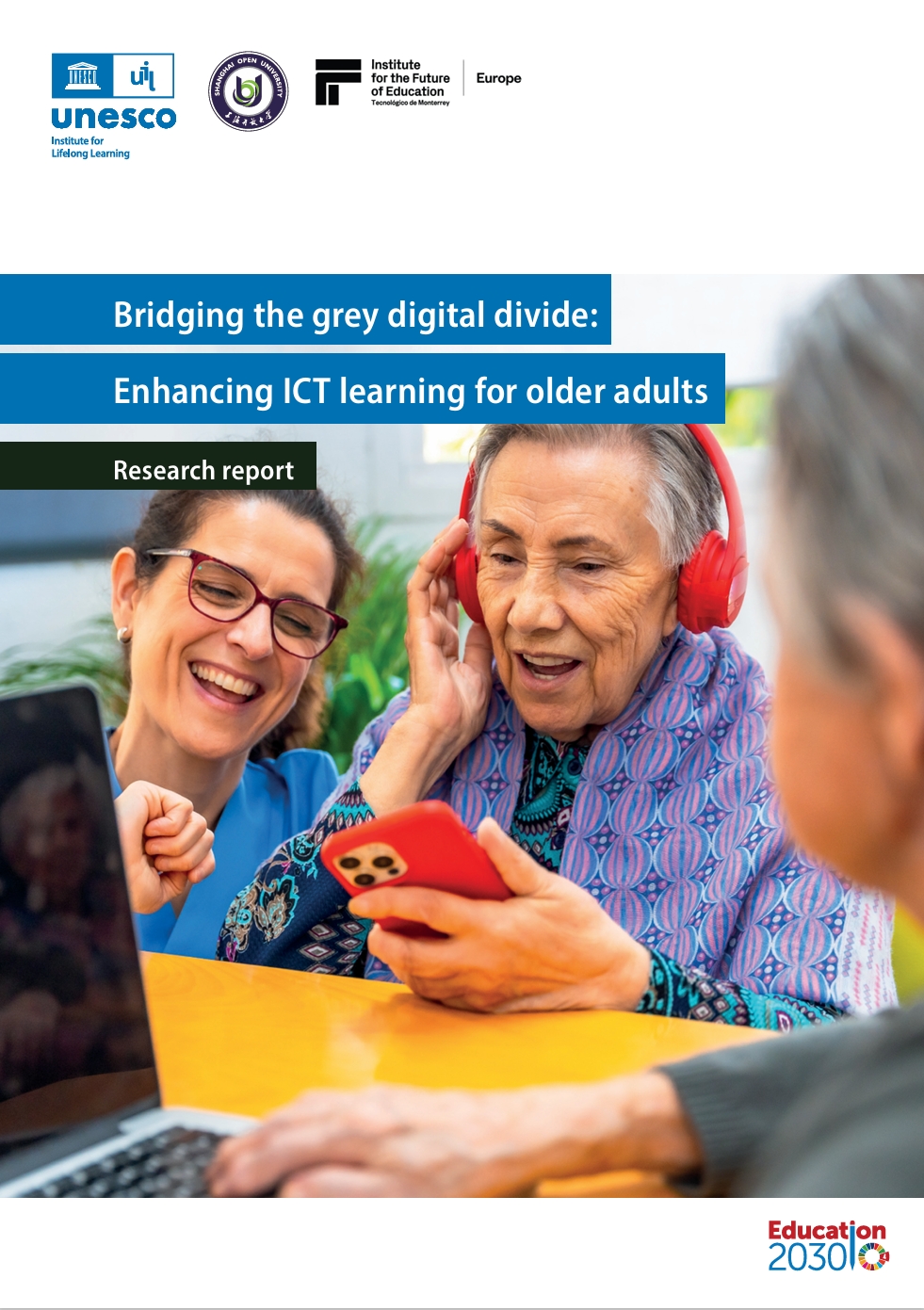 Bridging the Grey Digital Divide: Enhancing ICT Learning for Older Adults; Research Report