
Teaching the Holocaust in Primary Schools in Scotland: Modes, methodology and content
Most consideration of teaching the Holocaust in Britain is based on teaching pupils aged 12-15 in England (Supple, 1993; Short, 1995; Carrington & Short, 1997; Brown & Davies, 1998). This paper directs attention to some experiences of teaching the Holocaust to pupils of primary stages 5-7 in Scotland (i.e. those aged between 9 and 11) and considers the significance of teaching Holocaust history in the primary context. The rationale for teaching this area is examined both in terms of the topicality, the universality of its lessons and the suggestions in various documentation about developing positive values in pupils. Eight primary teachers, five of whom regularly teach aspects of the Holocaust to this age group in Scottish schools when allocated the upper primary stages, were interviewed at length to ascertain the nature of the integration of the Holocaust into the Scottish 5-14 curriculum, the methodologies applied and the content of their studies. These findings are analysed and their implications discussed. (By the author)
관련 자료
-
 IIEP-UNESCO 12th Medium-Term Strategy: 2026–2029
 -
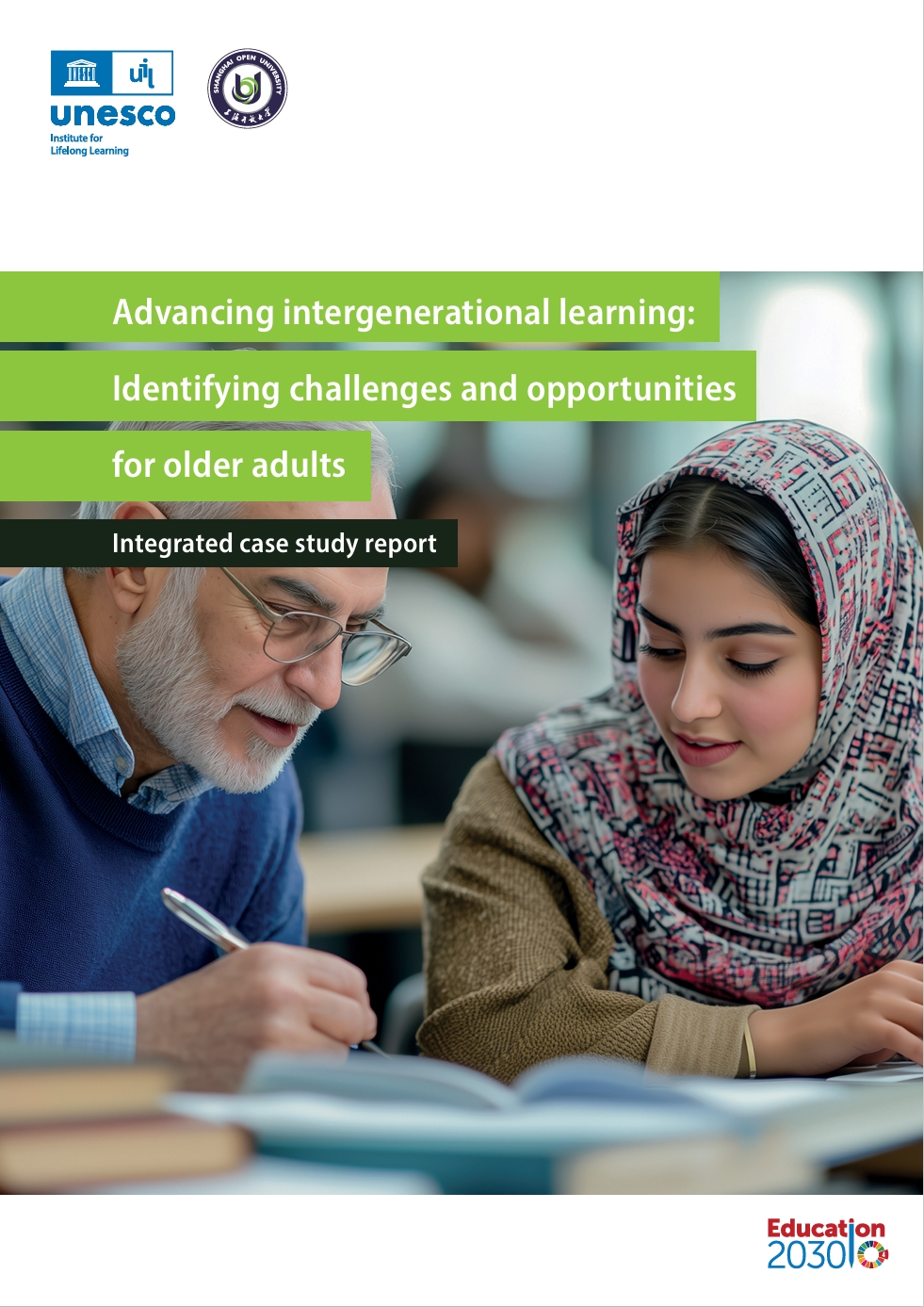 Advancing Intergenerational Learning: Identifying Challenges and Opportunities for Older Adults; Integrated Case Study Report
 -
 Digital Empowerment for Lifelong Learning and Transformative Andragogy (DELTA) for Adult Educators: Introduction to the DELTA Framework and Resources
 -
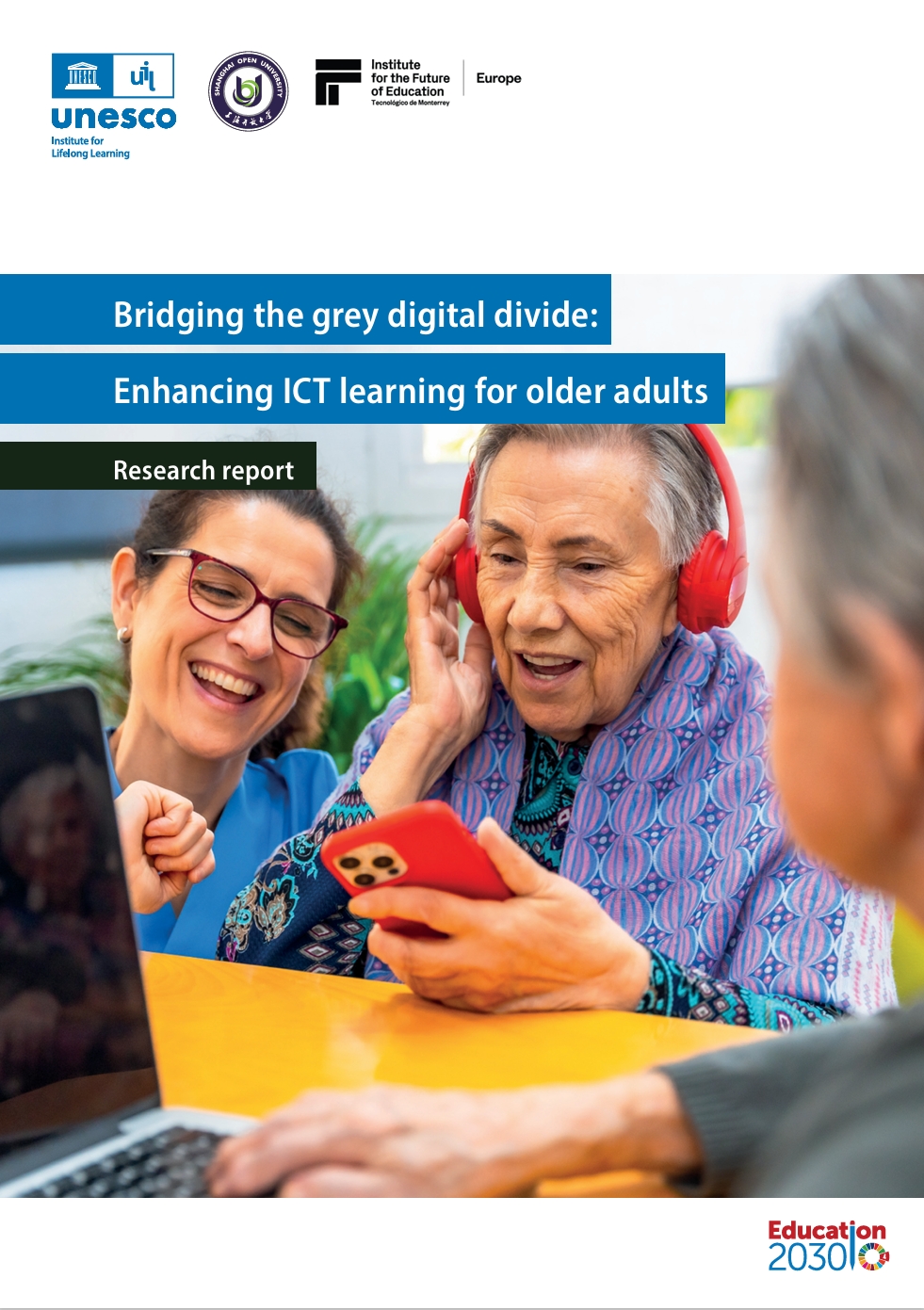 Bridging the Grey Digital Divide: Enhancing ICT Learning for Older Adults; Research Report