
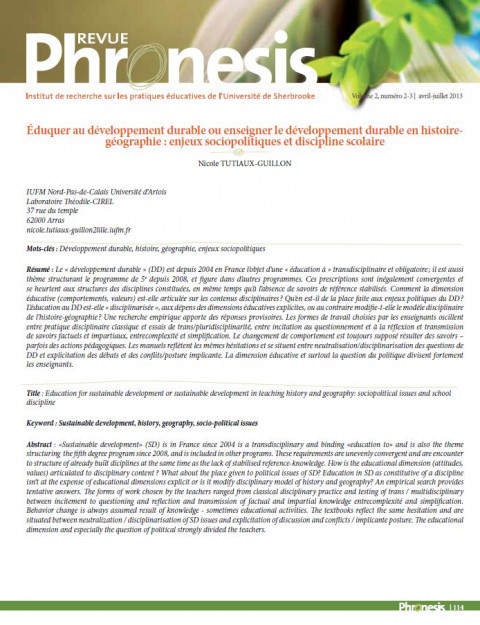
Education for Sustainable Development or Sustainable Development in Teaching History and Geography: Sociopolitical Issues and School Discipline
«Sustainable development» (SD) is in France since 2004 is a transdisciplinary and binding «education to» and is also the theme structuring the fifth degree program since 2008, and is included in other programs. These requirements are unevenly convergent and are encounter to structure of already built diciplines at the same time as the lack of stabilised reference-knowledge. How is the educational dimension (attitudes, values) articulated to disciplinary content ? What about the place given to political issues of SD? Education in SD as constitutive of a discipline isn’t at the expense of educational dimensions explicit or is it modify disciplinary model of history and geography? An empirical search provides tentative answers. The forms of work chosen by the teachers ranged from classical disciplinary practice and testing of trans / multidisciplinary between incitement to questioning and reflection and transmission of factual and impartial knowledge entrecomplexité and simplification. Behavior change is always assumed result of knowledge - sometimes educational activities. The textbooks reflect the same hesitation and are situated between neutralization / disciplinarisation of SD issues and explicitation of discussion and conflicts / implicante posture. The educational dimension and especially the question of political strongly divided the teachers.
관련 자료
-
 IIEP-UNESCO 12th Medium-Term Strategy: 2026–2029
 -
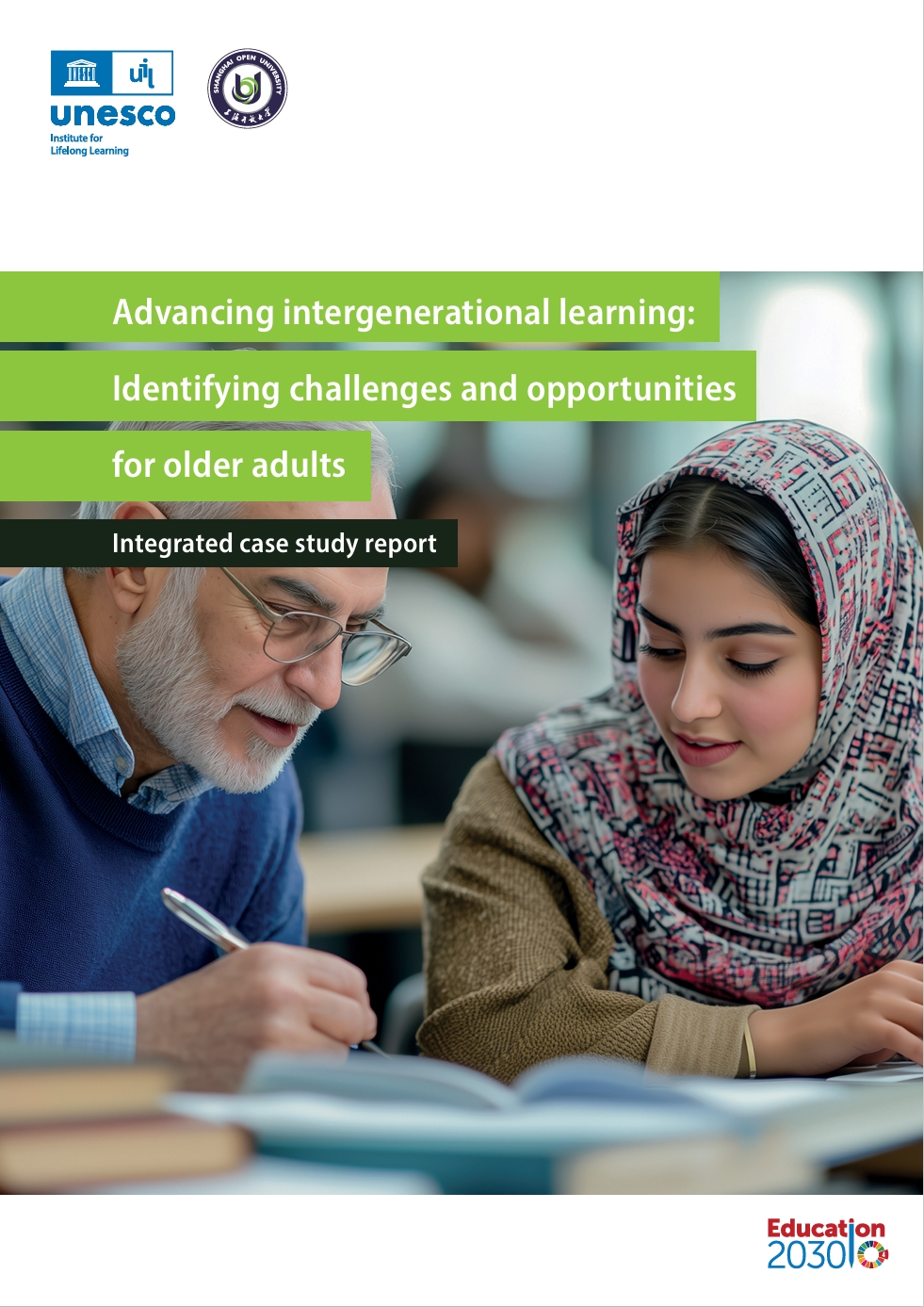 Advancing Intergenerational Learning: Identifying Challenges and Opportunities for Older Adults; Integrated Case Study Report
 -
 Digital Empowerment for Lifelong Learning and Transformative Andragogy (DELTA) for Adult Educators: Introduction to the DELTA Framework and Resources
 -
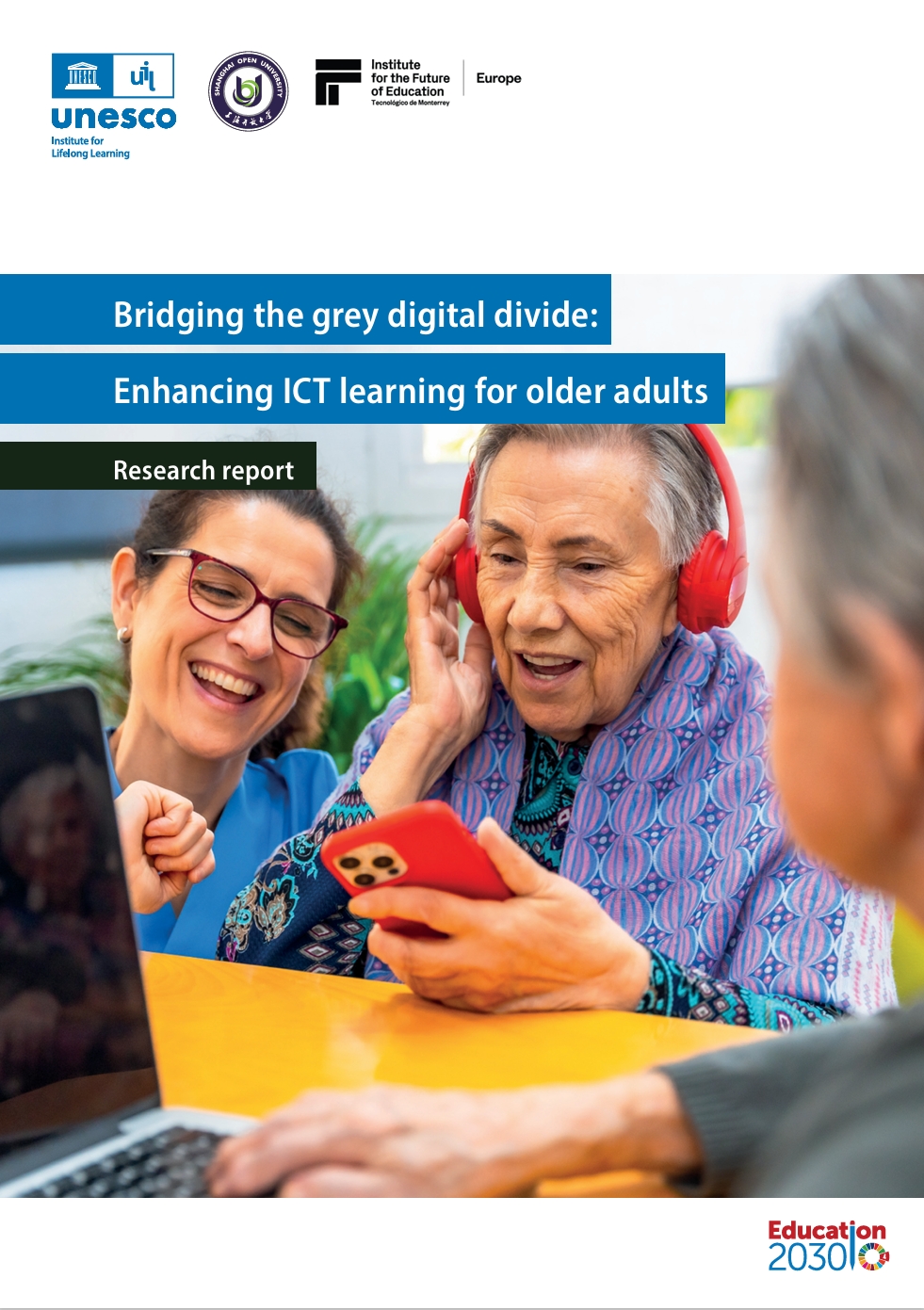 Bridging the Grey Digital Divide: Enhancing ICT Learning for Older Adults; Research Report