
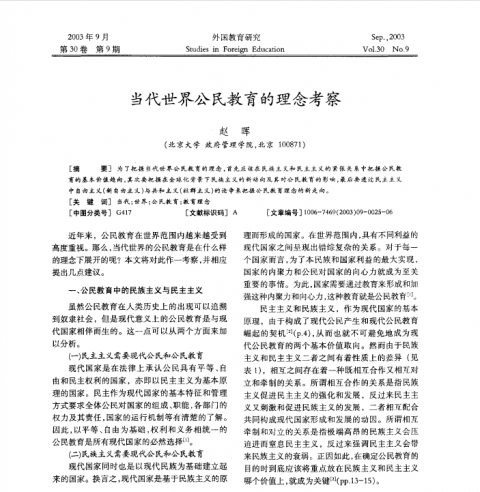
An Examination of the Ideas of Contemporary World Citizenship Education
In order to grasp the ideas of contemporary world citizenship education, first of all, fundamental value orientation of citizenship education must be grasped in the tensions between nationalism and democracy; Secondly, new trend of nationalism and its influences on citizenship education under the background of globalization must be understood; and thirdly the new trends of the ideas of citizenship education must be put forward and understood in the disputes between liberalism(or neoliberalism) and republicanism(or communitarianism).
관련 자료
-
 IIEP-UNESCO 12th Medium-Term Strategy: 2026–2029
 -
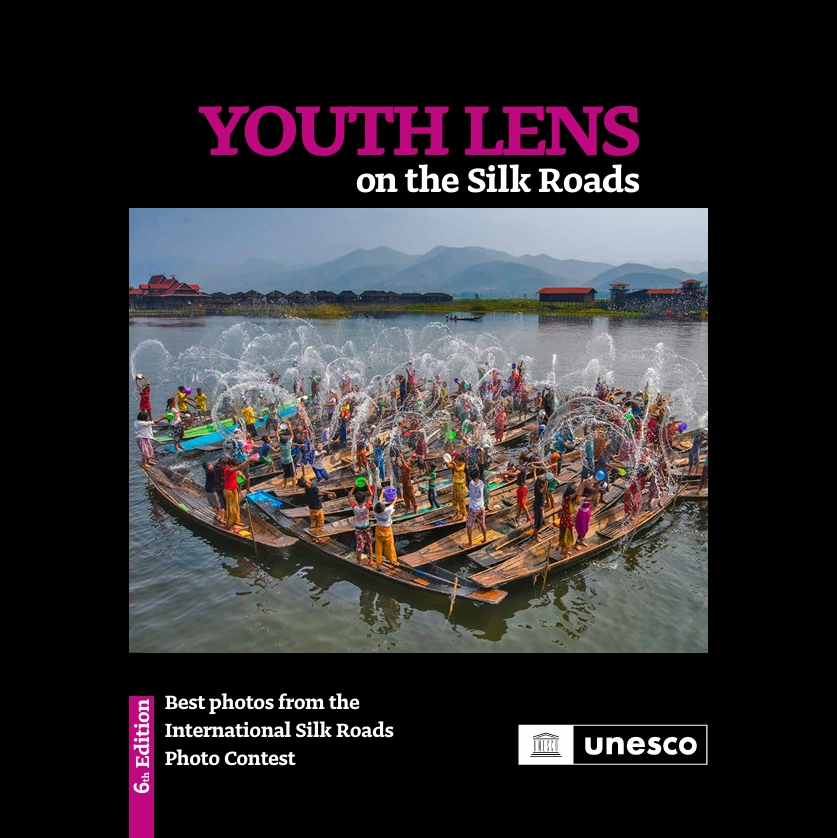 Youth Lens on the Silk Roads: Best Photos from the International Silk Roads Photo Contest; 6th Edition
 -
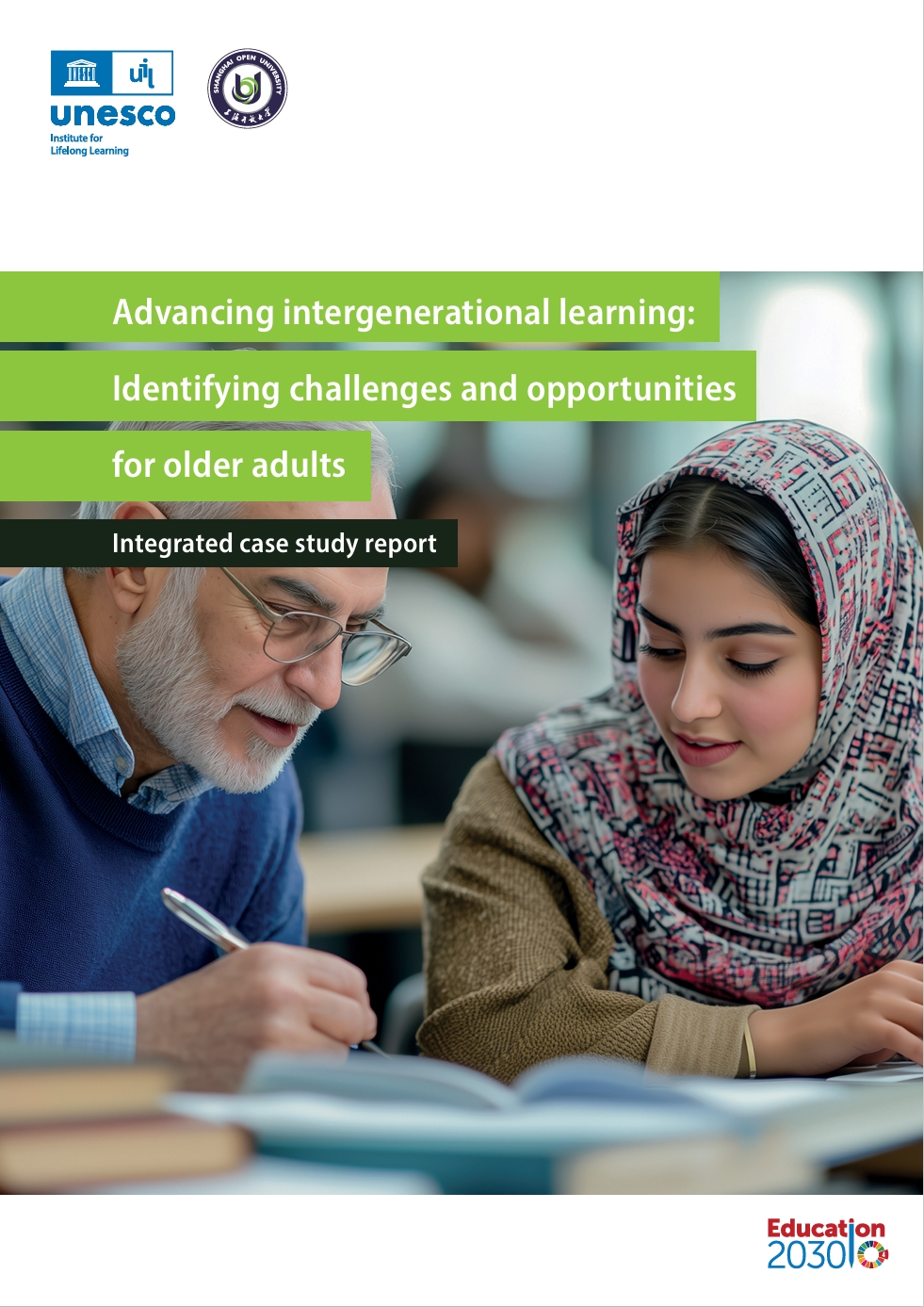 Advancing Intergenerational Learning: Identifying Challenges and Opportunities for Older Adults; Integrated Case Study Report
 -
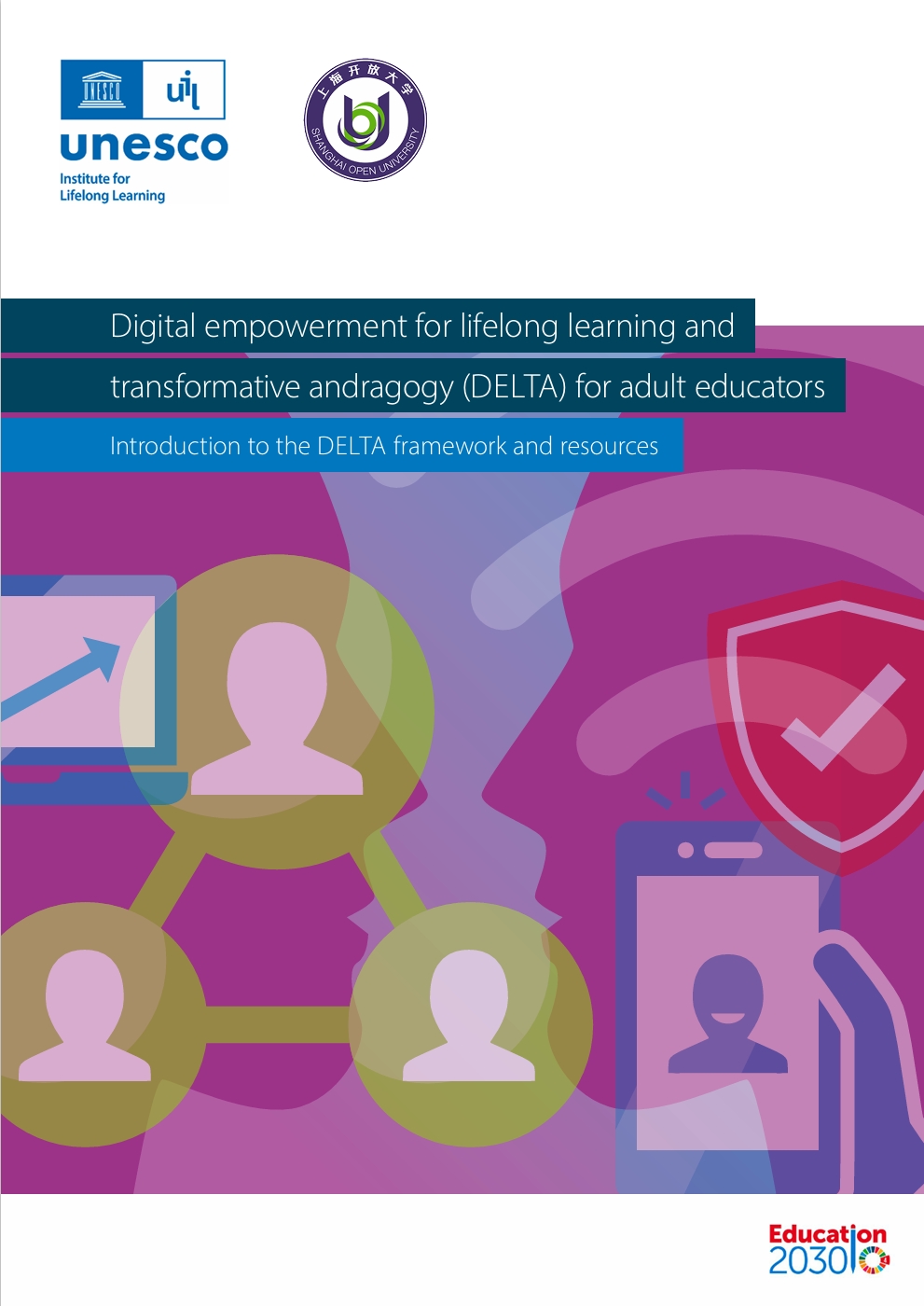 Digital Empowerment for Lifelong Learning and Transformative Andragogy (DELTA) for Adult Educators: Introduction to the DELTA Framework and Resources