
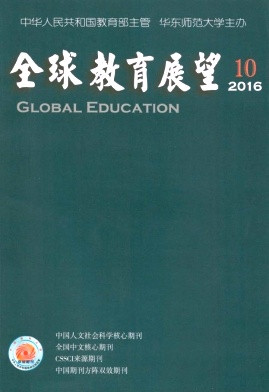
A Review of Neo-liberal Global Citizenship Education in Western Societies
Global citizenship education has become an increasingly dominant discourse among western societies. However, practices of global citizenship education assume plural forms, among which neo-liberal global citizenship education is an important one. Neo-liberalism competitiveness emphasizes personal choice based on cometition and access to global competitiveness and global cultural capital guided by competence. If this marked-oriented competition continues to ignore question of power and access, global citizens of this kind will take it for granted that the privilege they enjoyed is a natural result and a symbol of personal success. For people in developing countries, this is an obviously unfair situation.
관련 자료
-
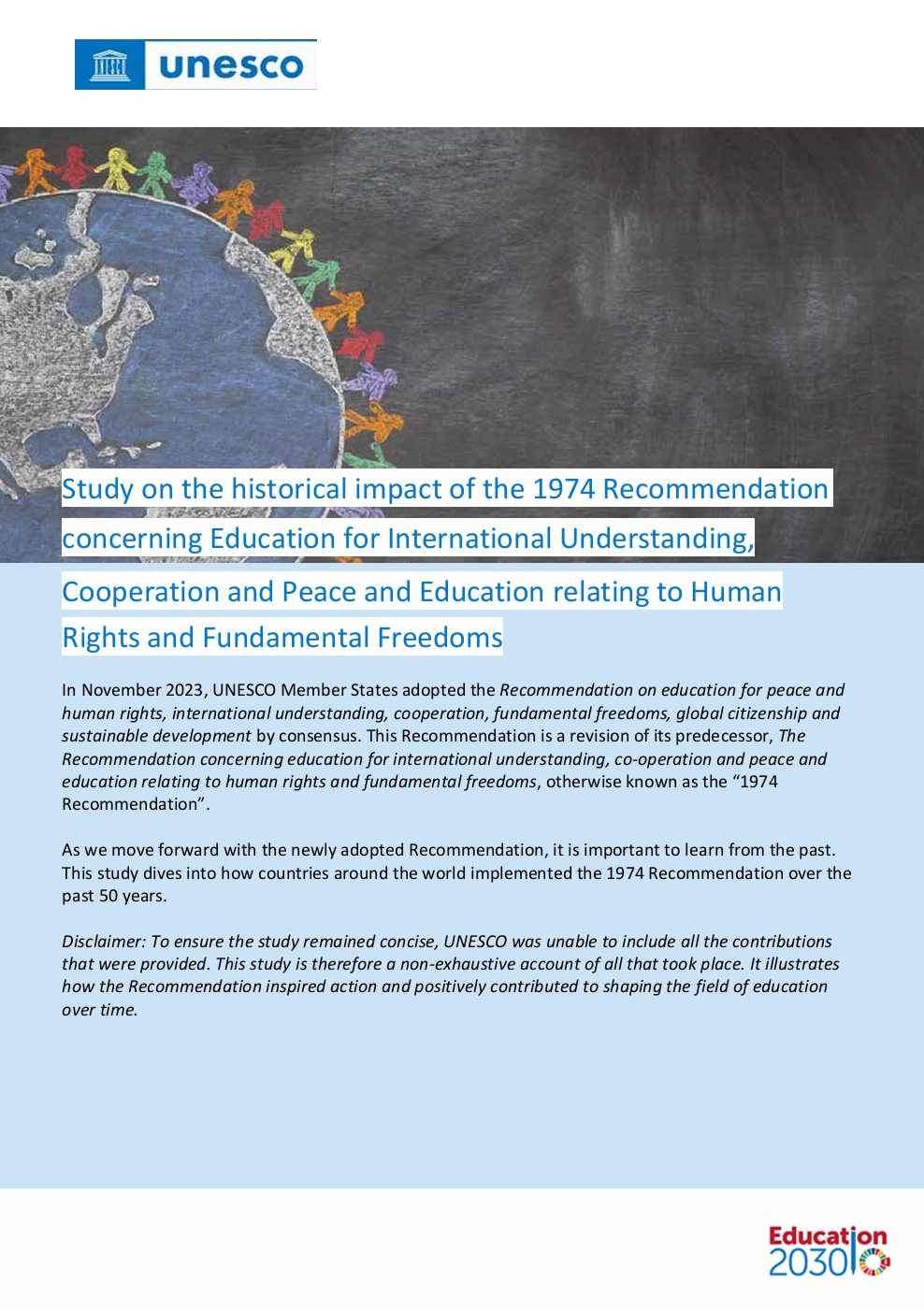 Study on the Historical Impact of the 1974 Recommendation concerning Education for International Understanding, Cooperation and Peace and Education relating to Human Rights and Fundamental Freedoms
 -
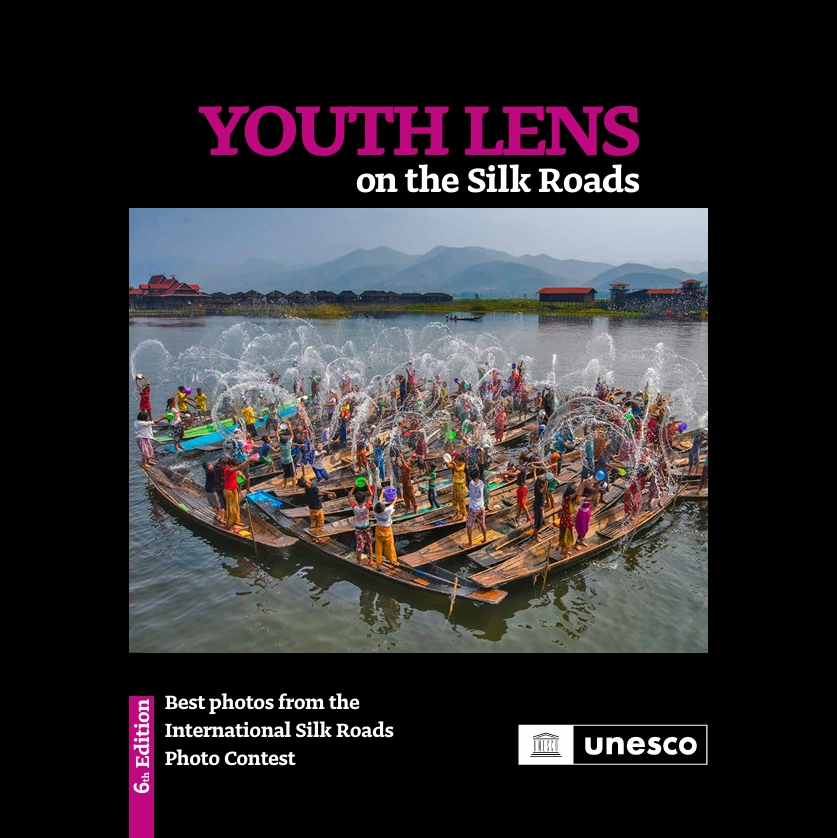 Youth Lens on the Silk Roads: Best Photos from the International Silk Roads Photo Contest; 6th Edition
 -
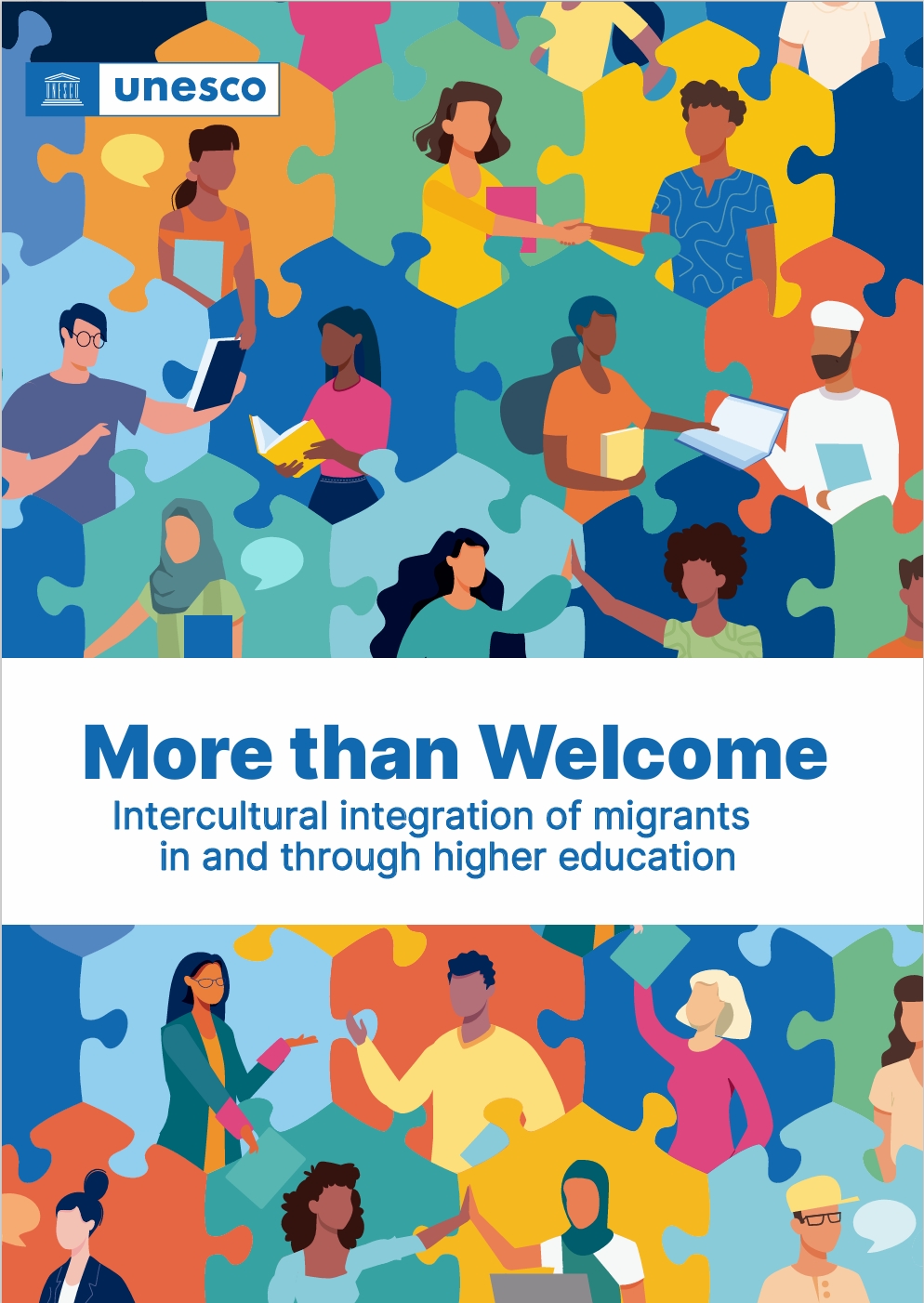 More than Welcome: Intercultural Integration of Migrants in and Through Higher Education
 -
 UNESCO Framework for Culture and Arts Education: Implementation Guidance