
Bridge Zambia Project Report
The Bridge Zambia Project (the Project) has been implemented jointly between the Korean National Commission for UNESCO (KNCU) and its partners in Zambia since October 2010. In March 2019, KNCU’s involvement in the Project will come to an end and Zambia will take over full responsibility for the Project as it goes forward. The Project has supported grassroots activities through the establishment of a Community Learning Centre (CLC), which acts as a hub of community-led development activities in non-formal education. The Project has mobilized and empowered communities and local leadership to take charge of non-formal education programmes with the aim of assisting Zambia to attain UNESCO’s Education for All goals and UN Sustainable Development Goal 4 (SDG 4), concerning education quality.
관련 자료
-
 IIEP-UNESCO 12th Medium-Term Strategy: 2026–2029
 -
 Advancing Intergenerational Learning: Identifying Challenges and Opportunities for Older Adults; Integrated Case Study Report
 -
 Digital Empowerment for Lifelong Learning and Transformative Andragogy (DELTA) for Adult Educators: Introduction to the DELTA Framework and Resources
 -
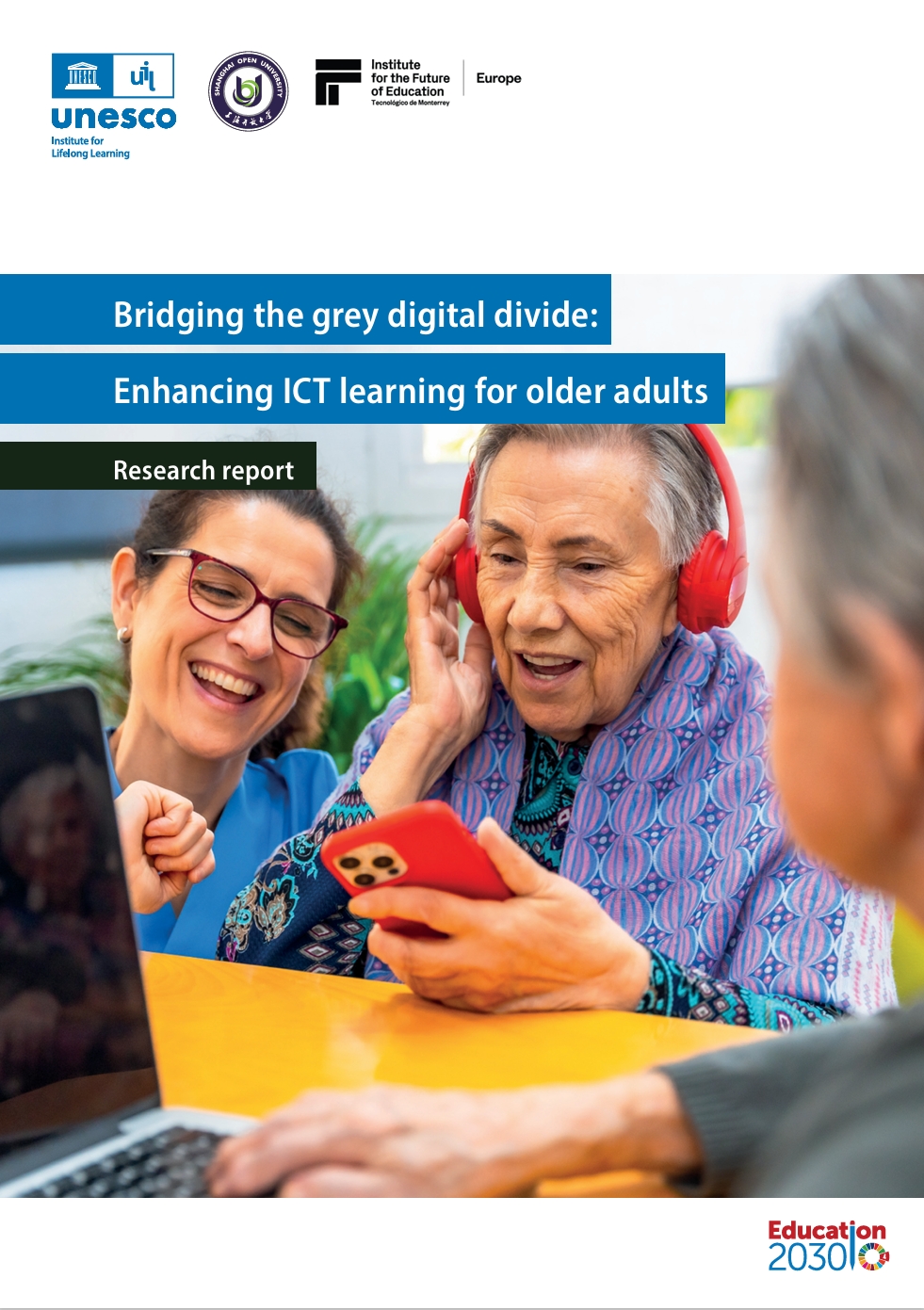 Bridging the Grey Digital Divide: Enhancing ICT Learning for Older Adults; Research Report