
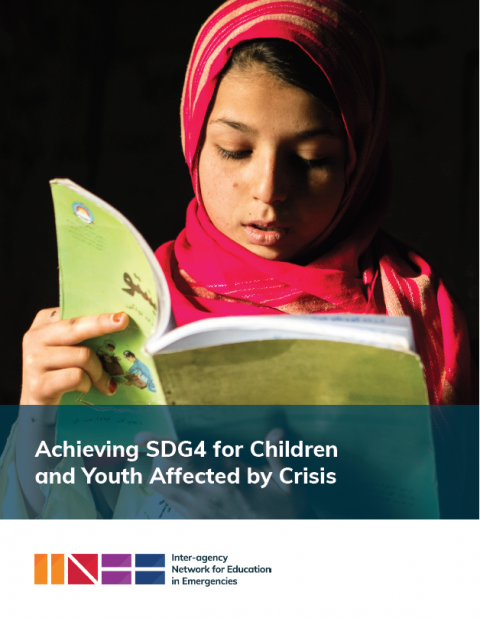
Achieving SDG4 for Children and Youth Affected by Crisis
With the Sustainable Development Goal 4 (SDG4), the global community committed to ensuring a quality education for all children and youth. Despite this promise, children and youth in crisis contexts continue to be neglected. We will never achieve SDG4 unless all children and youth affected by conflict and crisis are able to access and attend school and learn in a quality, safe, relevant and inclusive education environment. There is an urgent need for governments and the international community to make and adhere to political, financial and legal commitments if we truly are to leave no child behind.
This brief offers recommendations for addressing the disparities in safe, quality, inclusive education for children affected by crisis. It begins by highlighting key areas for policy and practice, and looks at ways to use the various tools developed by the Inter-agency Network of Education in Emergencies (INEE). It takes a look at overall themes and trends, as well as the specific issues of gender disparities, the importance of supporting teachers, children’s psycho-social wellbeing and the protection and safety of education in conflict.
관련 자료
-
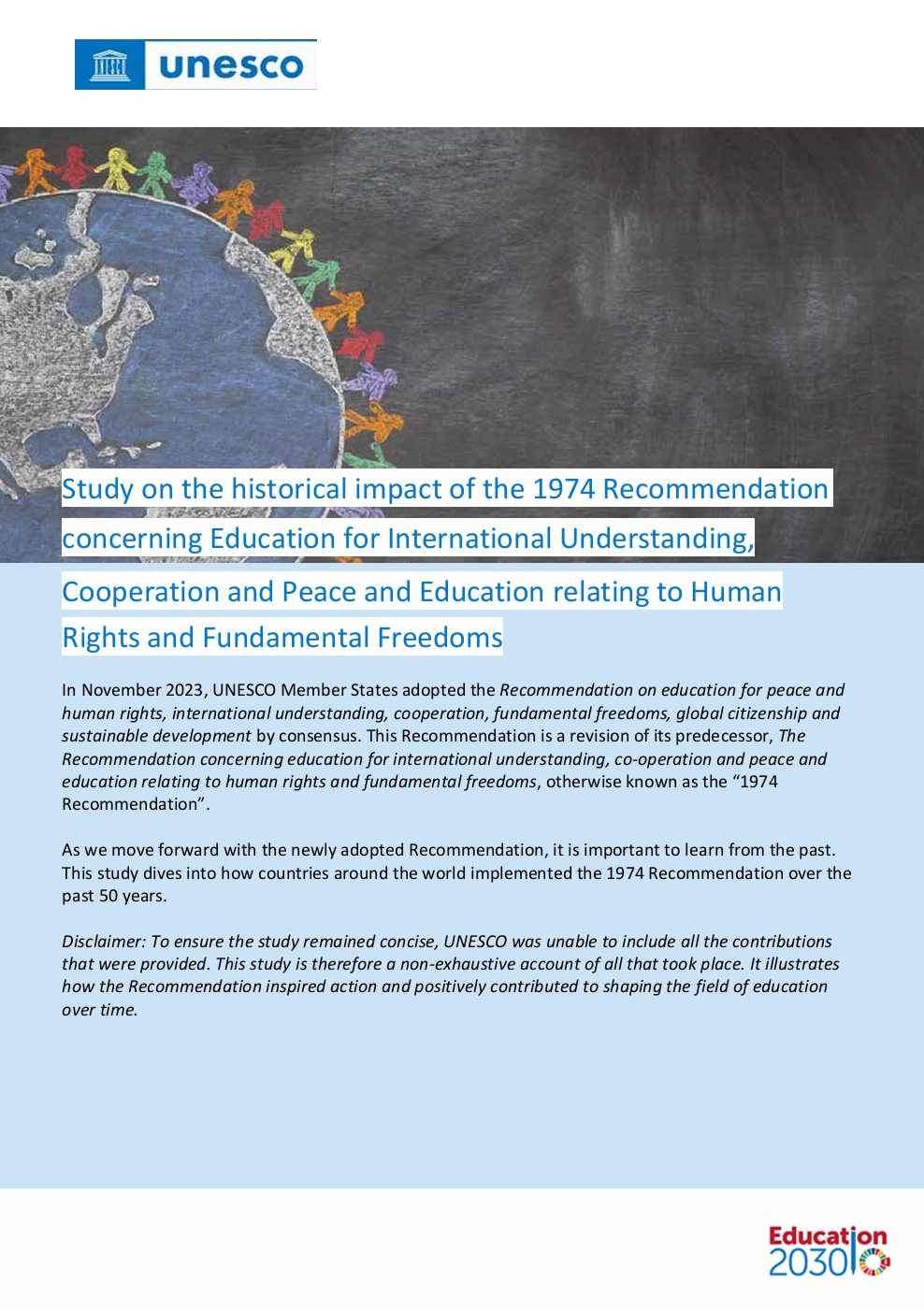 Study on the Historical Impact of the 1974 Recommendation concerning Education for International Understanding, Cooperation and Peace and Education relating to Human Rights and Fundamental Freedoms
 -
 IIEP-UNESCO 12th Medium-Term Strategy: 2026–2029
 -
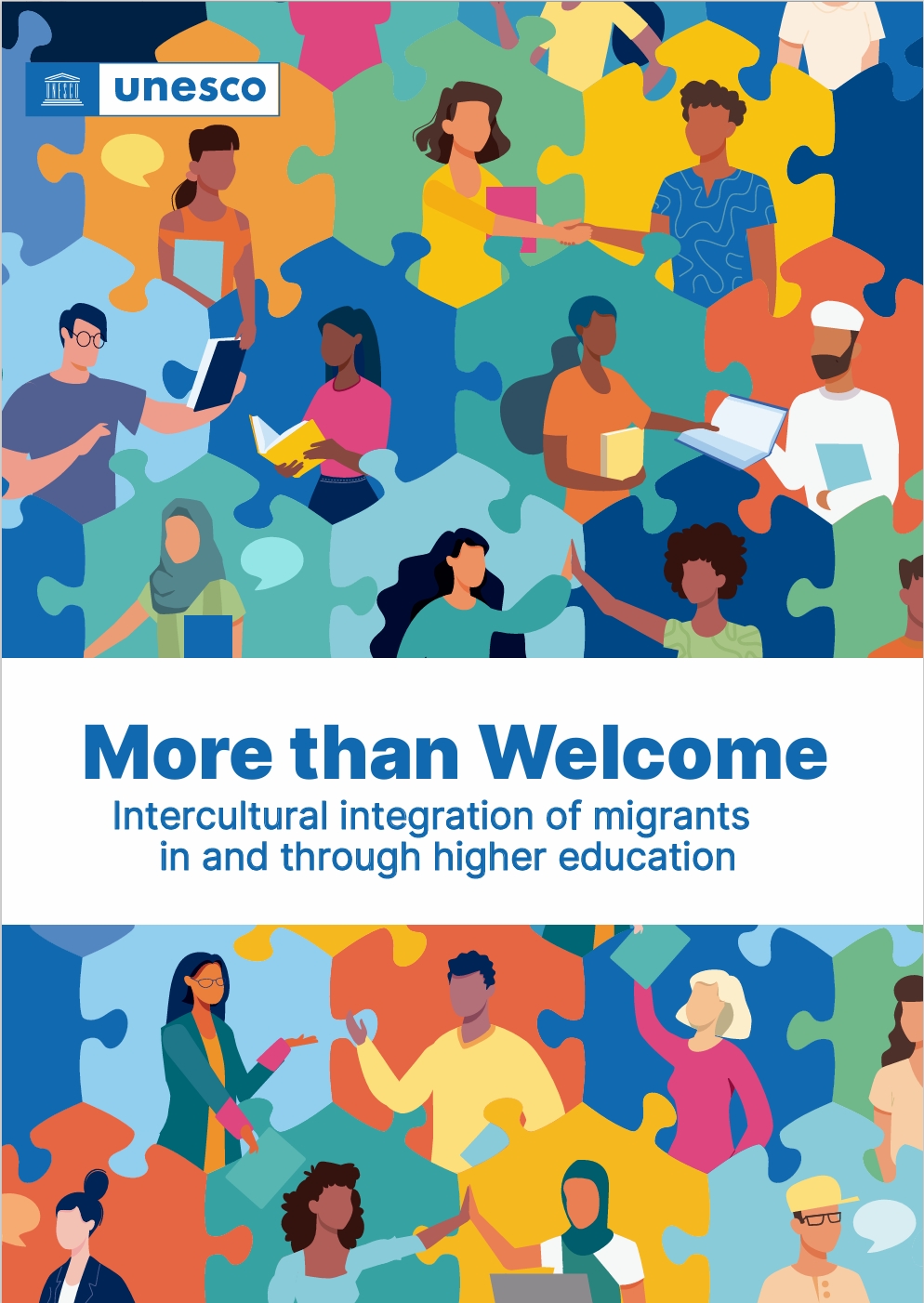 More than Welcome: Intercultural Integration of Migrants in and Through Higher Education
 -
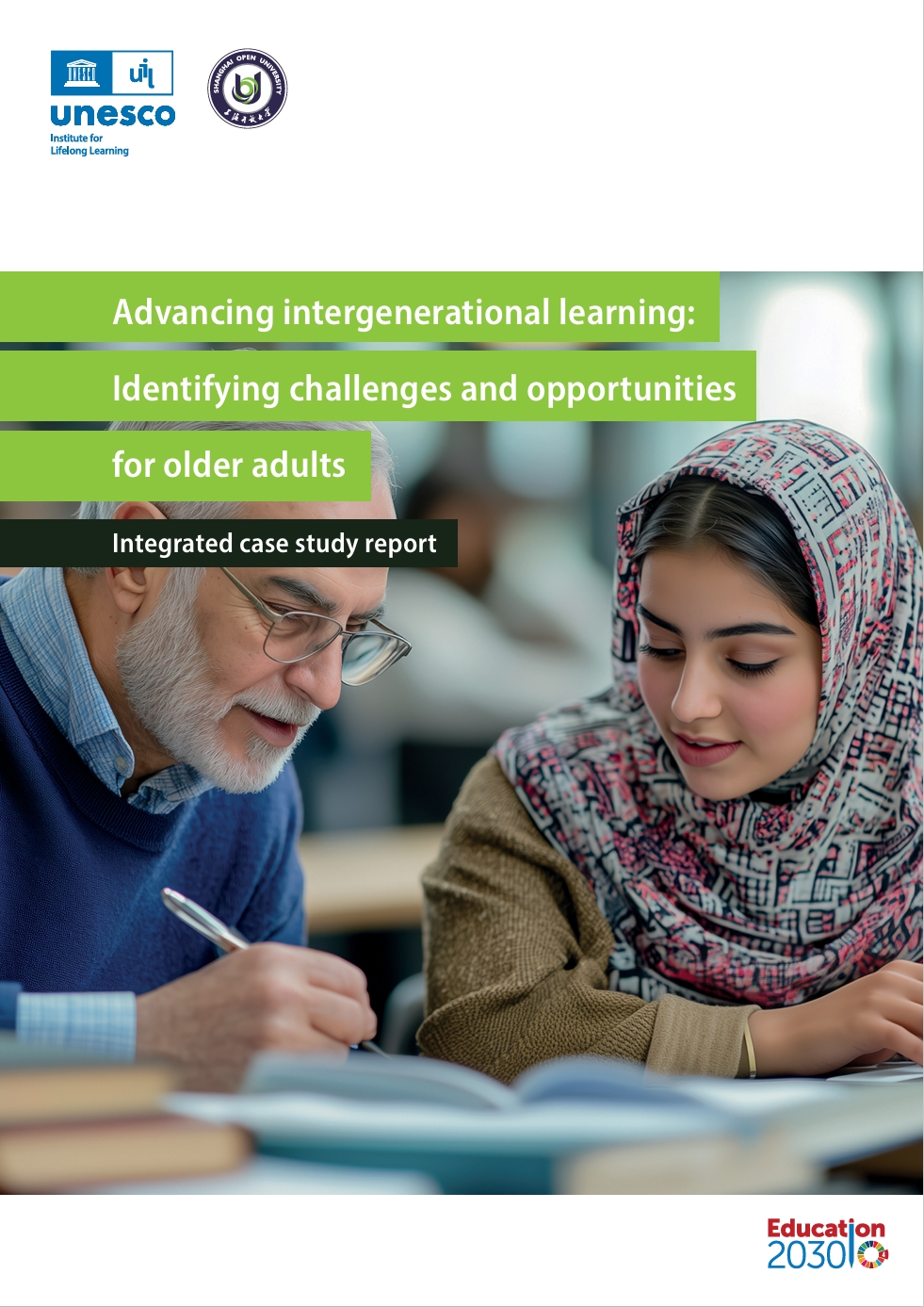 Advancing Intergenerational Learning: Identifying Challenges and Opportunities for Older Adults; Integrated Case Study Report