
Rethinking post-Soviet Society: Multiculturalism in Central Asia
- ISBN
- 978-9952-489-00-4 / 978-9952-498-01-1
- 형태사항
- 356 p. ; p. 132-138
- 원래 언어
- 러시아어
- 발행 연도
- 2014
The article is devoted to the analysis of the post-Soviet society of Central Asia on the example of Uzbekistan and Kazakhstan with reference to the phenomenon of multiculturalism. In addition, the authors will try to answer the following basic questions: what social problems do multinational and multicultural post-Soviet societies face? and how to solve interethnic and intercultural problems of societies of post-Soviet countries in the process of creating each of them their own unitary national state.
관련 자료
-
 Study on the Historical Impact of the 1974 Recommendation concerning Education for International Understanding, Cooperation and Peace and Education relating to Human Rights and Fundamental Freedoms
 -
 IIEP-UNESCO 12th Medium-Term Strategy: 2026–2029
 -
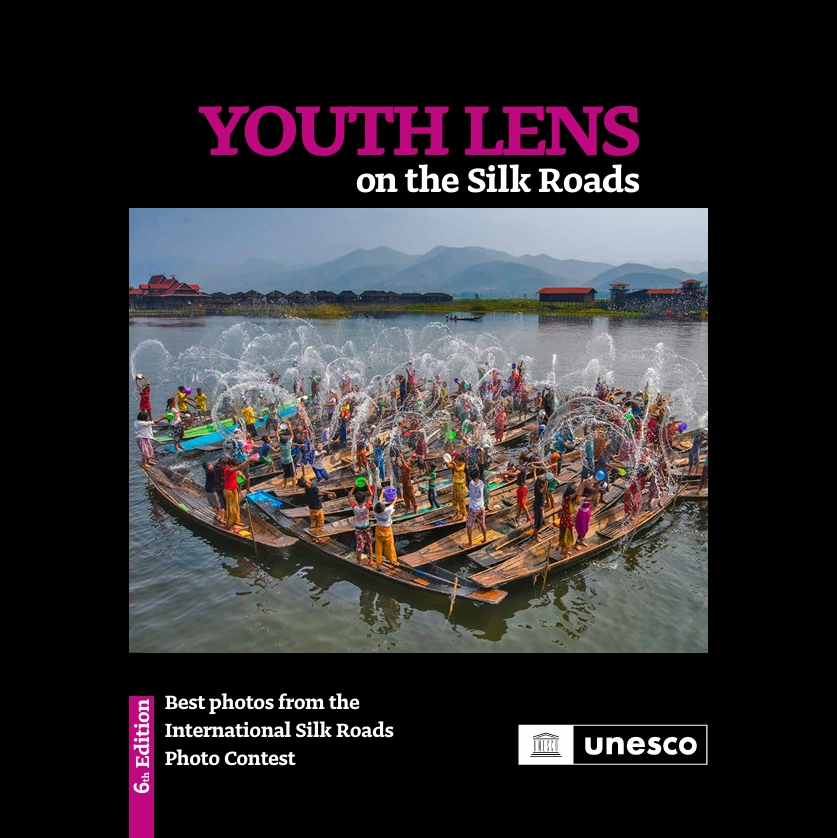 Youth Lens on the Silk Roads: Best Photos from the International Silk Roads Photo Contest; 6th Edition
 -
 More than Welcome: Intercultural Integration of Migrants in and Through Higher Education