
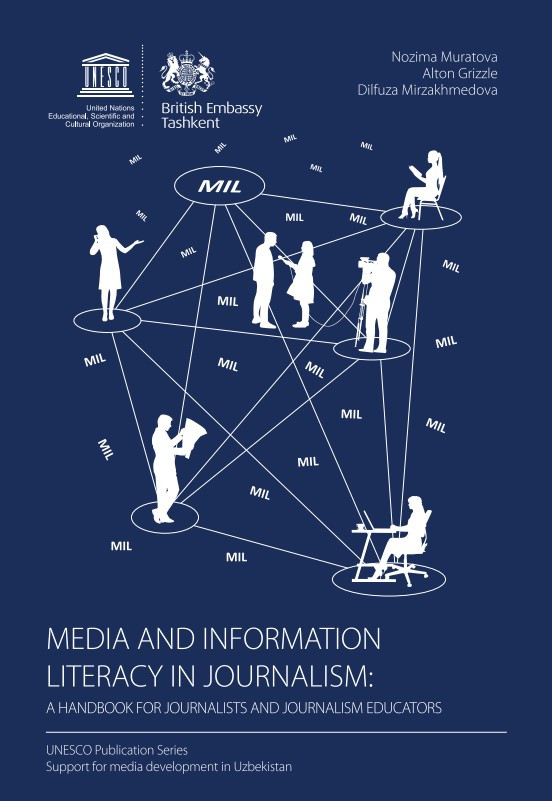
Media and Information Literacy in Journalism: A Handbook for Journalists and Journalism Educators
- 단체 저자
- UNESCO Tashkent
- ISBN
- ISBN 978-9943-5810-2-9
- 형태사항
- 127 p.
- 원래 언어
- 영어러시아어
- 발행 연도
- 2019
This handbook aims at being an important and practical tool for journalists in fulfilling their professional activities and mainly in media information literacy (MIL).
The first three parts of the Handbook include theoretical material and are accompanied with exercises and case studies; the last part consists entirely of practical tools and exercises that aim to ensure that the material was understood. The Handbook deals with "fake news" and disinformation, provides a conceptual framework for media and information literacy, shows its importance, and explores principles and role of the MIL in journalism education. Also, the Handbook covers topics such as ethics on the Internet, human rights and work with sources, journalistic skills in collecting and processing information, ways to verify and provide reliable information, and the identification of fakes that may adversely affect the public.
관련 자료
-
 Study on the Historical Impact of the 1974 Recommendation concerning Education for International Understanding, Cooperation and Peace and Education relating to Human Rights and Fundamental Freedoms
 -
 IIEP-UNESCO 12th Medium-Term Strategy: 2026–2029
 -
 More than Welcome: Intercultural Integration of Migrants in and Through Higher Education
 -
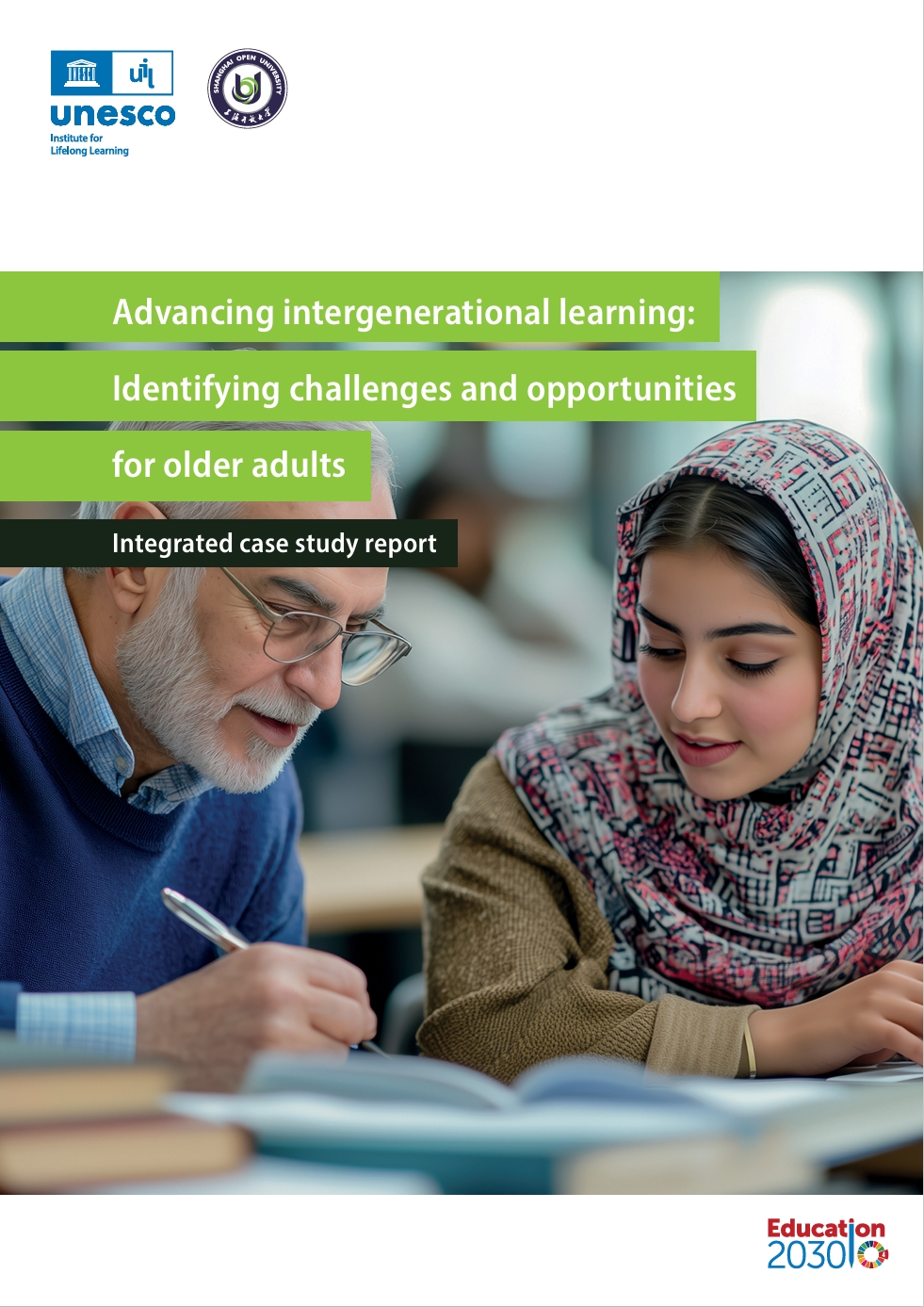 Advancing Intergenerational Learning: Identifying Challenges and Opportunities for Older Adults; Integrated Case Study Report