
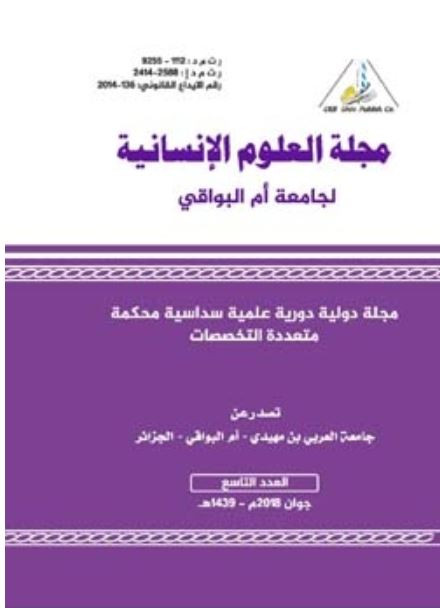
Civil Society and the Question of Citizenship : Opportunities for Activation and Limits of Influence
- 단체 저자
- Larbi Ben M'Hidi
- ISBN
- ISSN 1112-9255
- 형태사항
- p. 11-27
- 원래 언어
- 아랍어
- 발행 연도
- 2017
The rapid and progressive changes that contemporary societies have undergone, have led to a reconsideration of the system of concepts associated to the state and the society, the nature of their relationship, and the connection of individuals to their societies and states. The power of the state is not only measured by its Military capabilities but mainly by its ability to implement public policies that provide essential services to the citizens, and its capacity to distribute roles within civil society, there by increasing participation and achieving the requirements of political and social citizenship, which is questioned as well, with the emergence of the idea of a global citizenship.
관련 자료
-
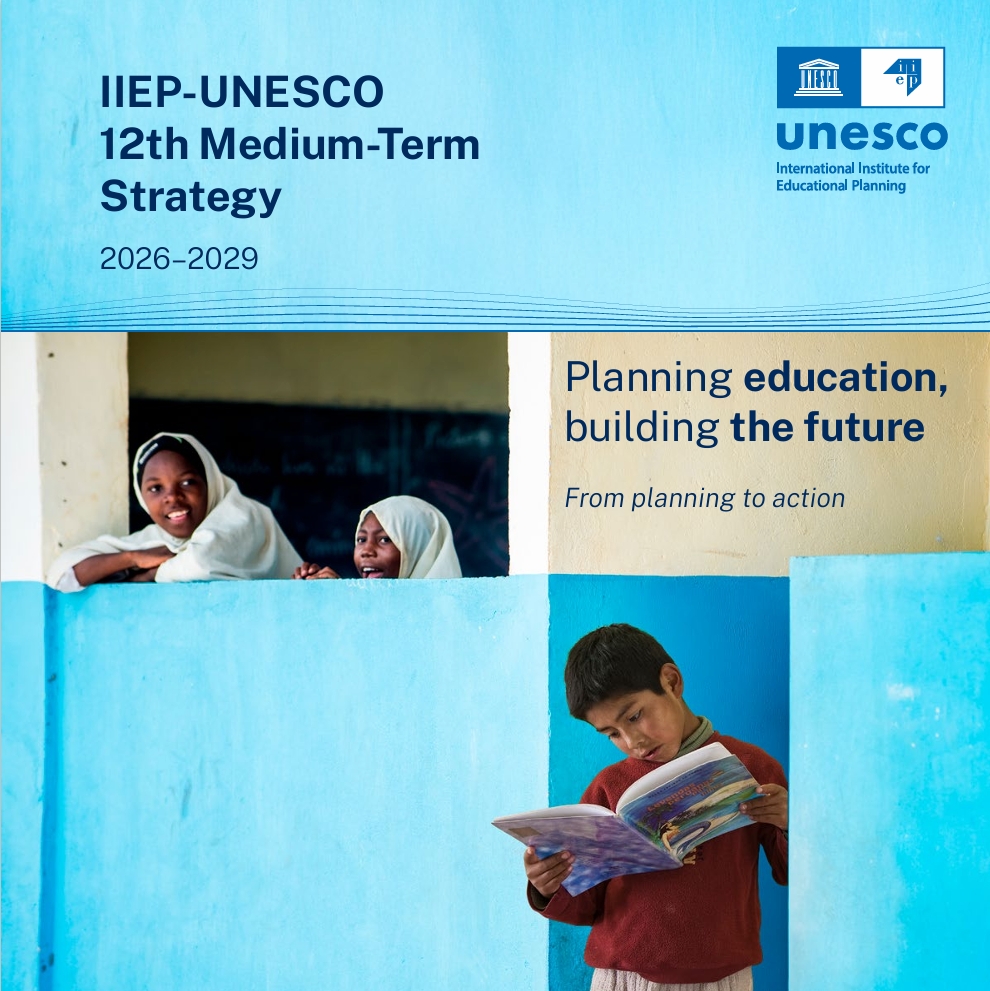 IIEP-UNESCO 12th Medium-Term Strategy: 2026–2029
 -
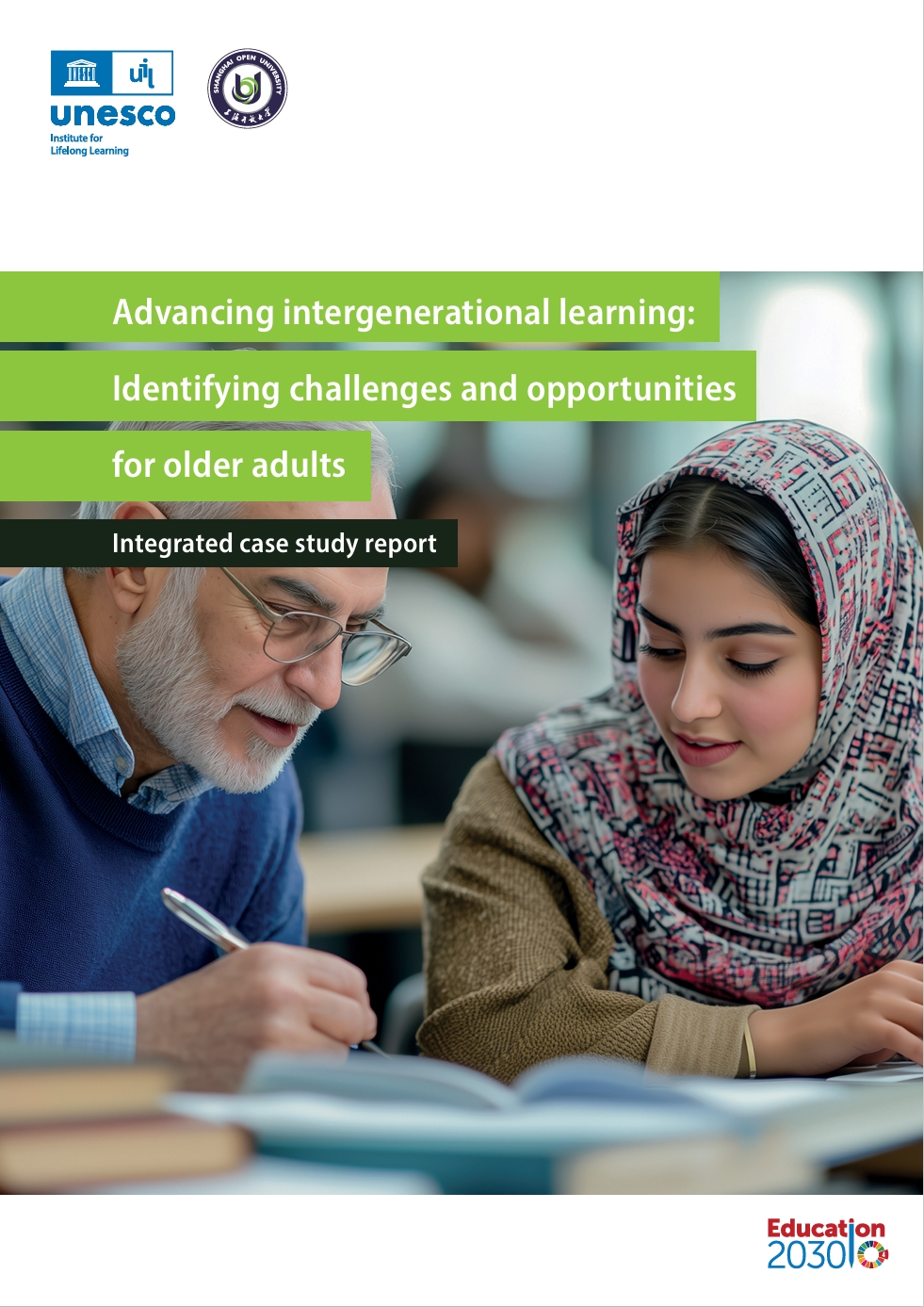 Advancing Intergenerational Learning: Identifying Challenges and Opportunities for Older Adults; Integrated Case Study Report
 -
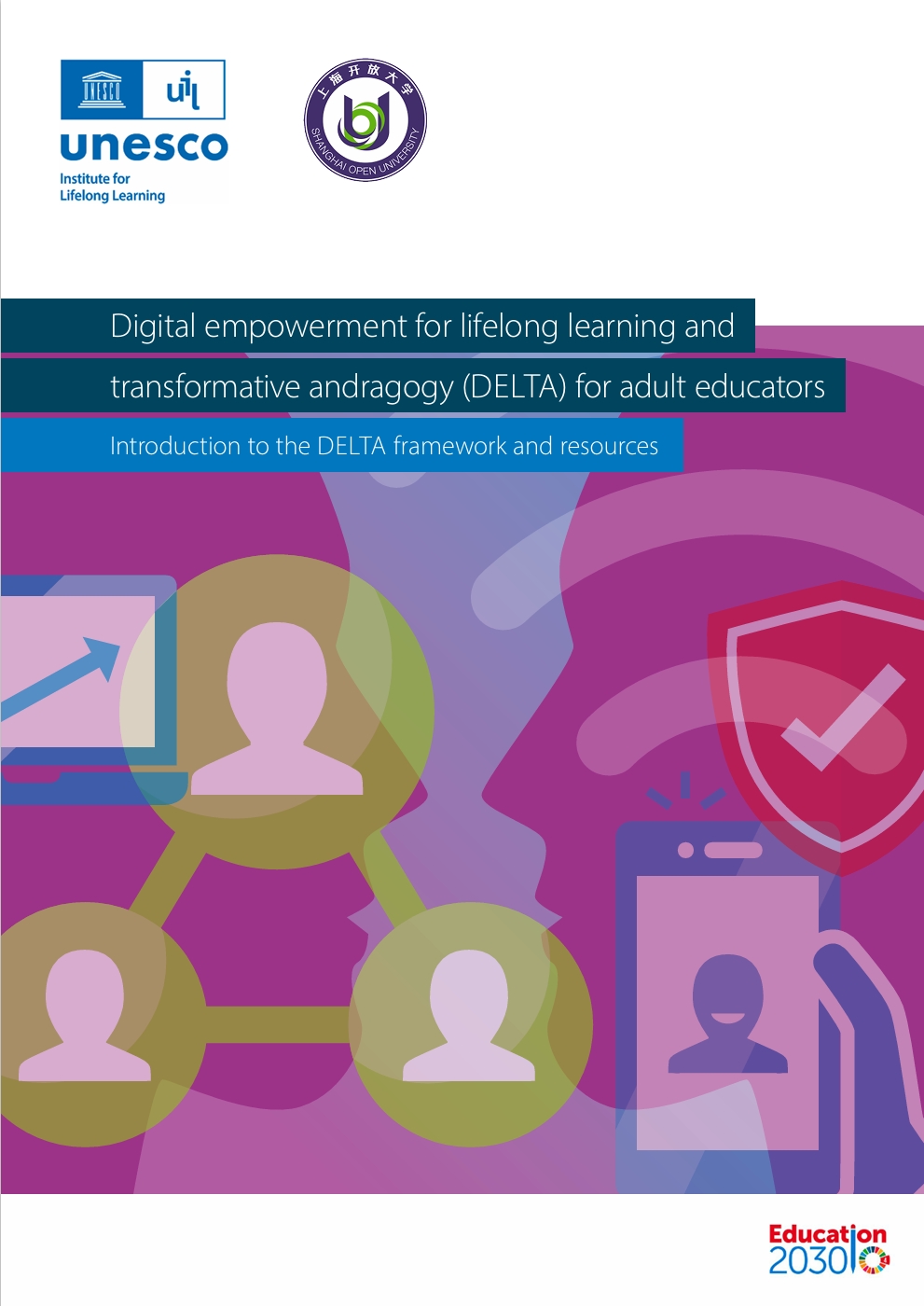 Digital Empowerment for Lifelong Learning and Transformative Andragogy (DELTA) for Adult Educators: Introduction to the DELTA Framework and Resources
 -
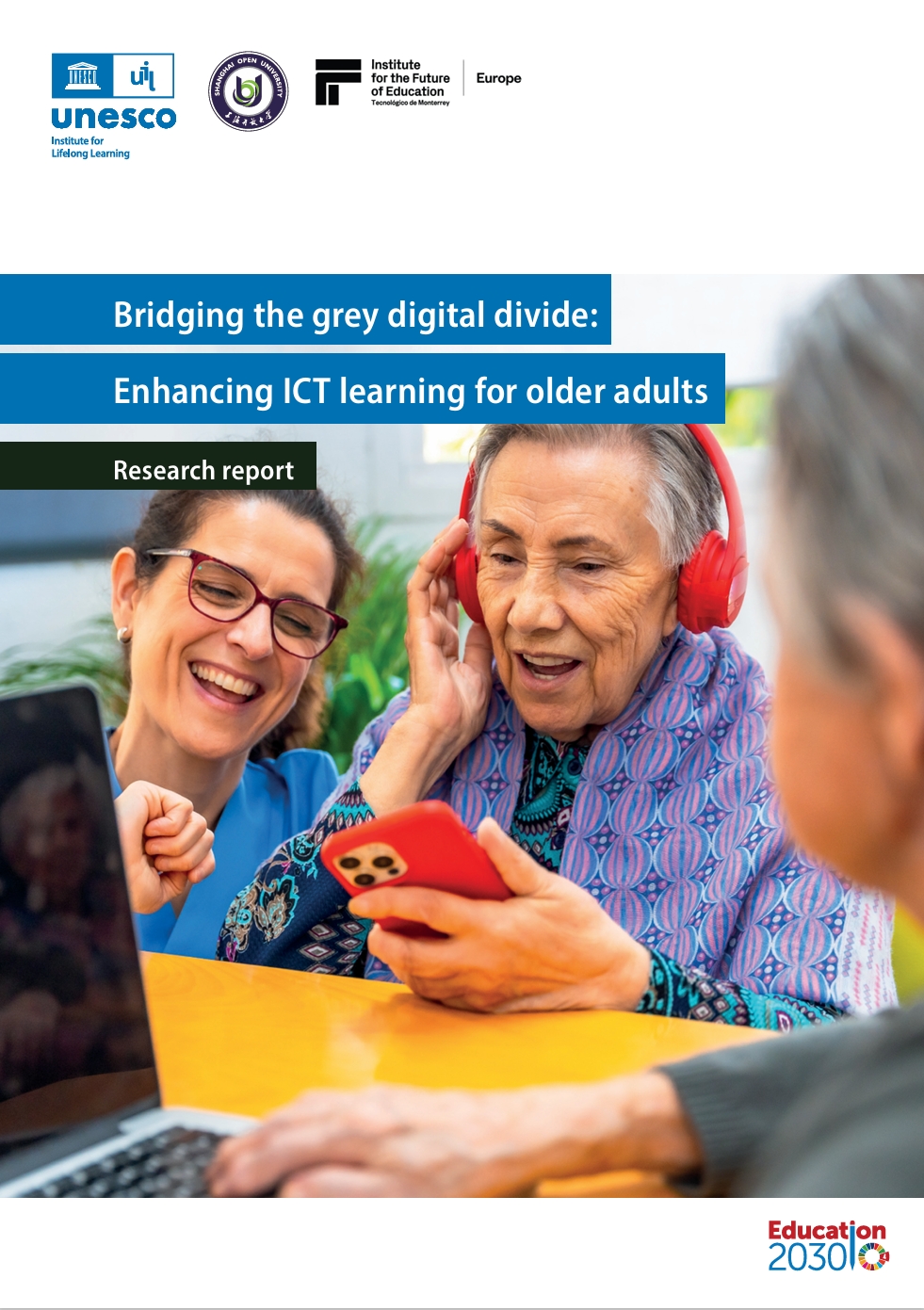 Bridging the Grey Digital Divide: Enhancing ICT Learning for Older Adults; Research Report