

Digital Citizenship Education: The Policy and Practice in Asia-Pacific Region (International and Comparative Education; Vol. 8)
- ISBN
- ISSN 1003-7667
- 형태사항
- p. 3-10
- 원래 언어
- 중국어
- 발행 연도
- 2019
With the advent of the network informational age, digital citizenship has gradually become a concept for in-depth exploration. At the same time, the education of digital citizenship has also increasingly become an important part of the education system of many countries around the world. In Asia-Pacific area, UNESCO Bangkok has started to launch the digital citizenship project, while those member states are actively exploring and working on all aspects of relevant policy and practice. As the countries with high information level, Singapore, Australia and Korea have been carrying out better digital citizenship educations, especially in terms of cyber wellness courses, cyber security education and internet addiction prevention and treatment. The status and experience of the digital citizenship education in Asia-Pacific countries can provide some enlightenment for the future advancements of digital citizenship education in China.
관련 자료
-
 IIEP-UNESCO 12th Medium-Term Strategy: 2026–2029
 -
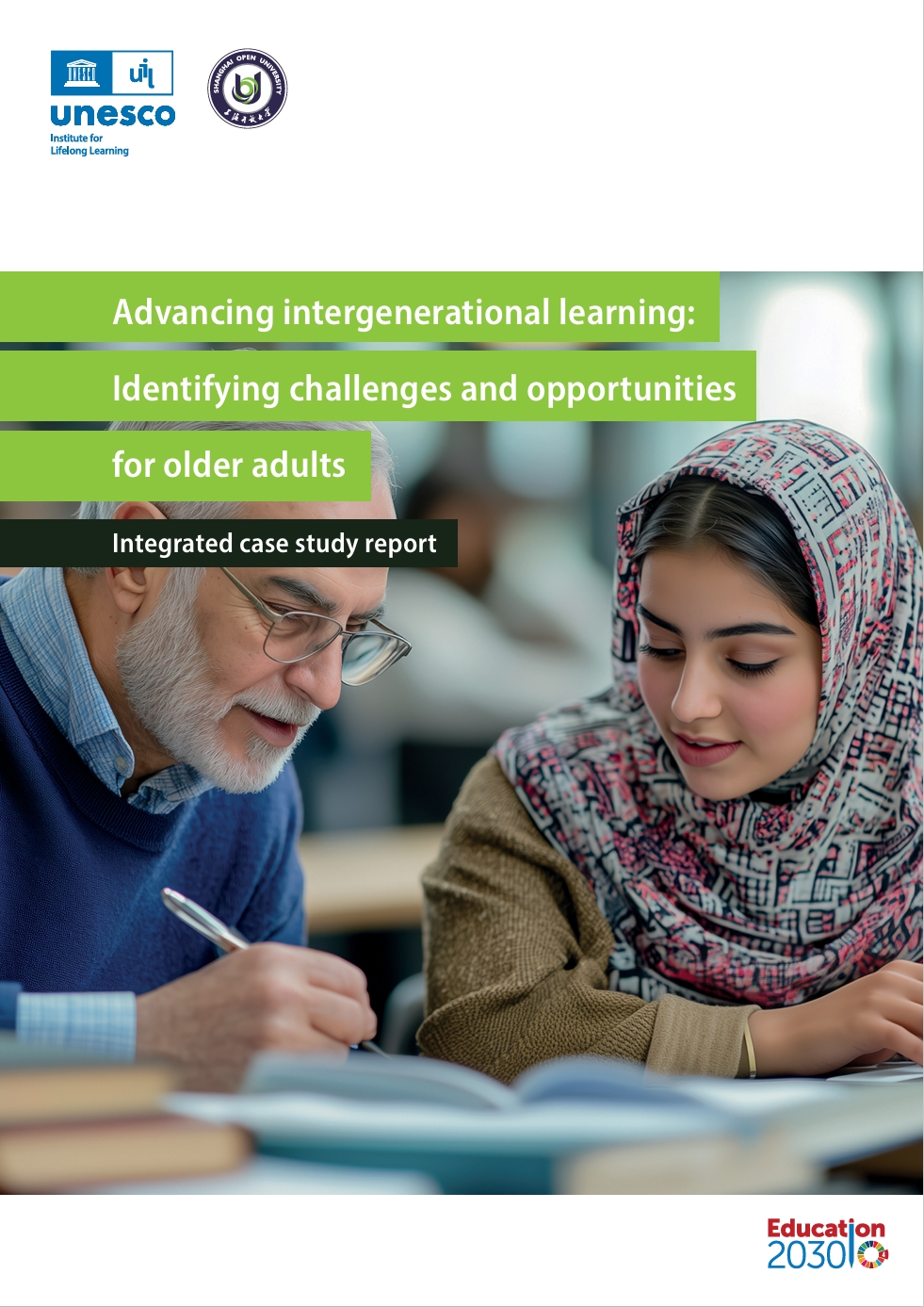 Advancing Intergenerational Learning: Identifying Challenges and Opportunities for Older Adults; Integrated Case Study Report
 -
 Digital Empowerment for Lifelong Learning and Transformative Andragogy (DELTA) for Adult Educators: Introduction to the DELTA Framework and Resources
 -
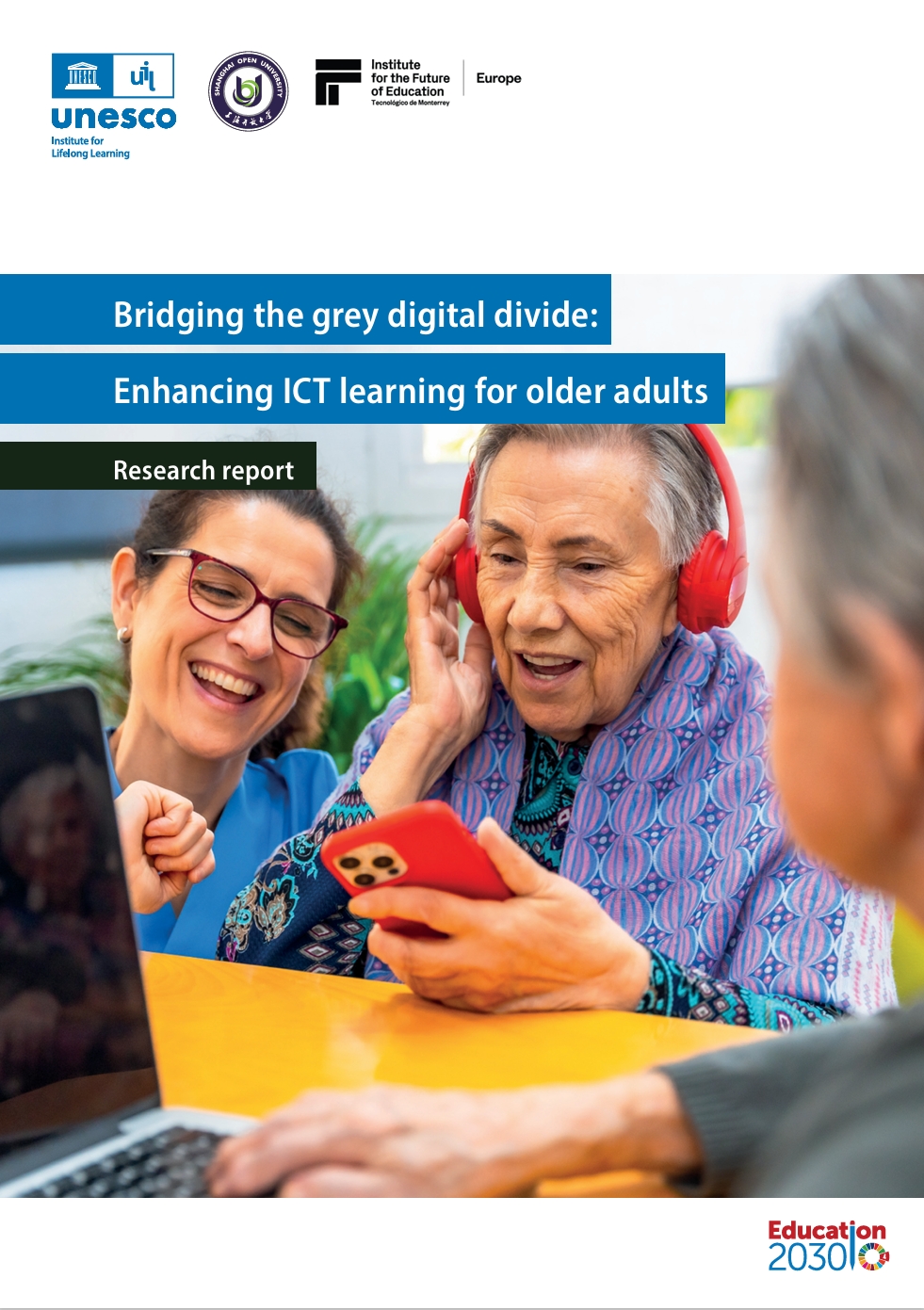 Bridging the Grey Digital Divide: Enhancing ICT Learning for Older Adults; Research Report