
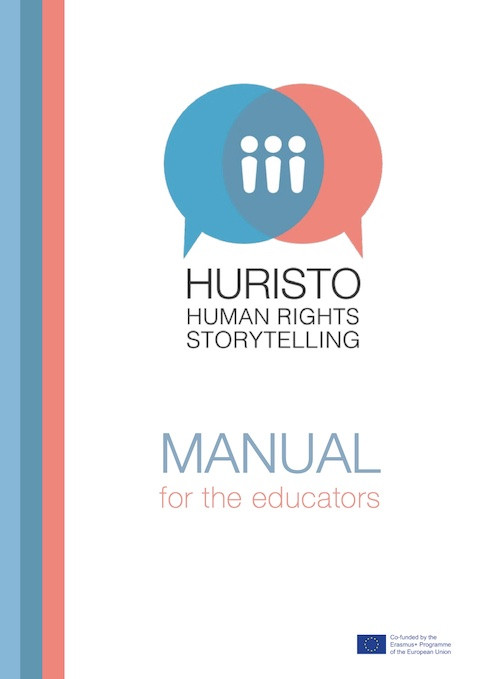
Human Rights Storytelling: Manual For the Educators
Huristo project developed a methodology about awareness and advocacy about the European Human Rights Charter as a part of global citizenship education with low skilled adult learners (refugees and migrants living in the city and natives living in rural places). This methodology is based on digital storytelling: participants work on personal narratives illustrating different topics of the charter.
The main result for the adult learners are increased digital skills, reading and writing skills, awareness about the Human Rights Charter and European citizenship. The work on the Charter and the personal narratives also improve participants’ analytic media literacy, interpersonal and intercultural skills, but also core skills for employability, such as teamwork, problem solving, learning to learn and communication. Additionally, the adult trainers who are involved increase their teaching skills using digital media and the methodology of digital storytelling in particular.
관련 자료
-
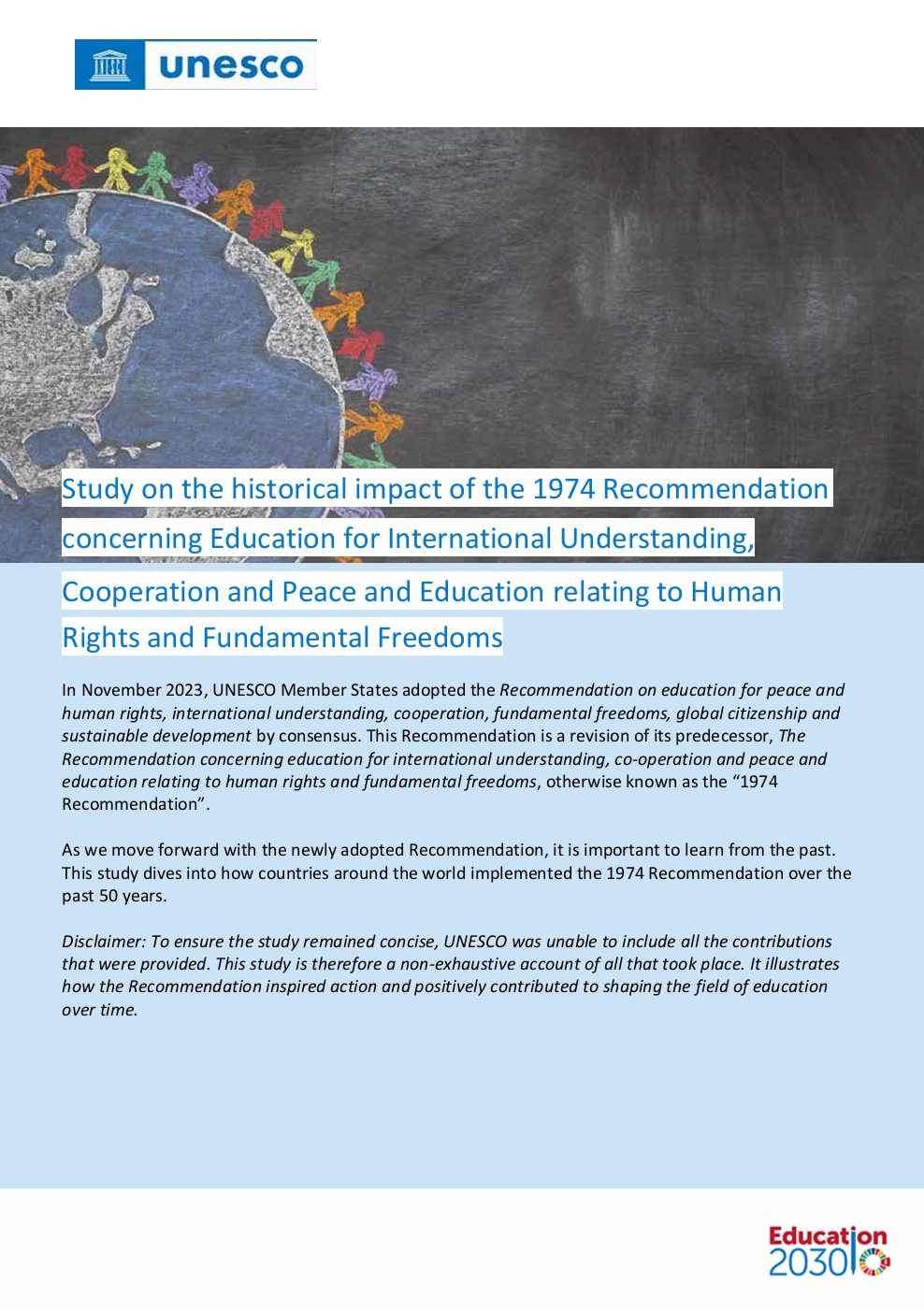 Study on the Historical Impact of the 1974 Recommendation concerning Education for International Understanding, Cooperation and Peace and Education relating to Human Rights and Fundamental Freedoms
 -
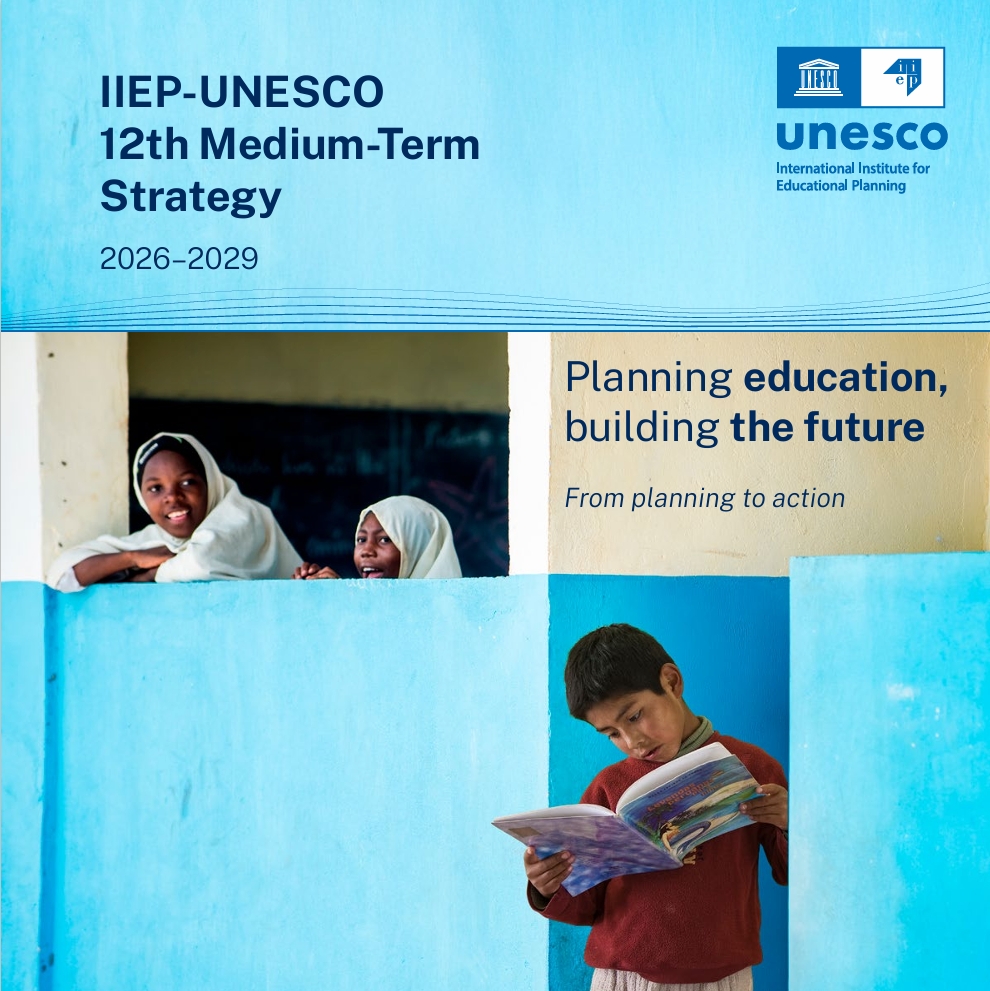 IIEP-UNESCO 12th Medium-Term Strategy: 2026–2029
 -
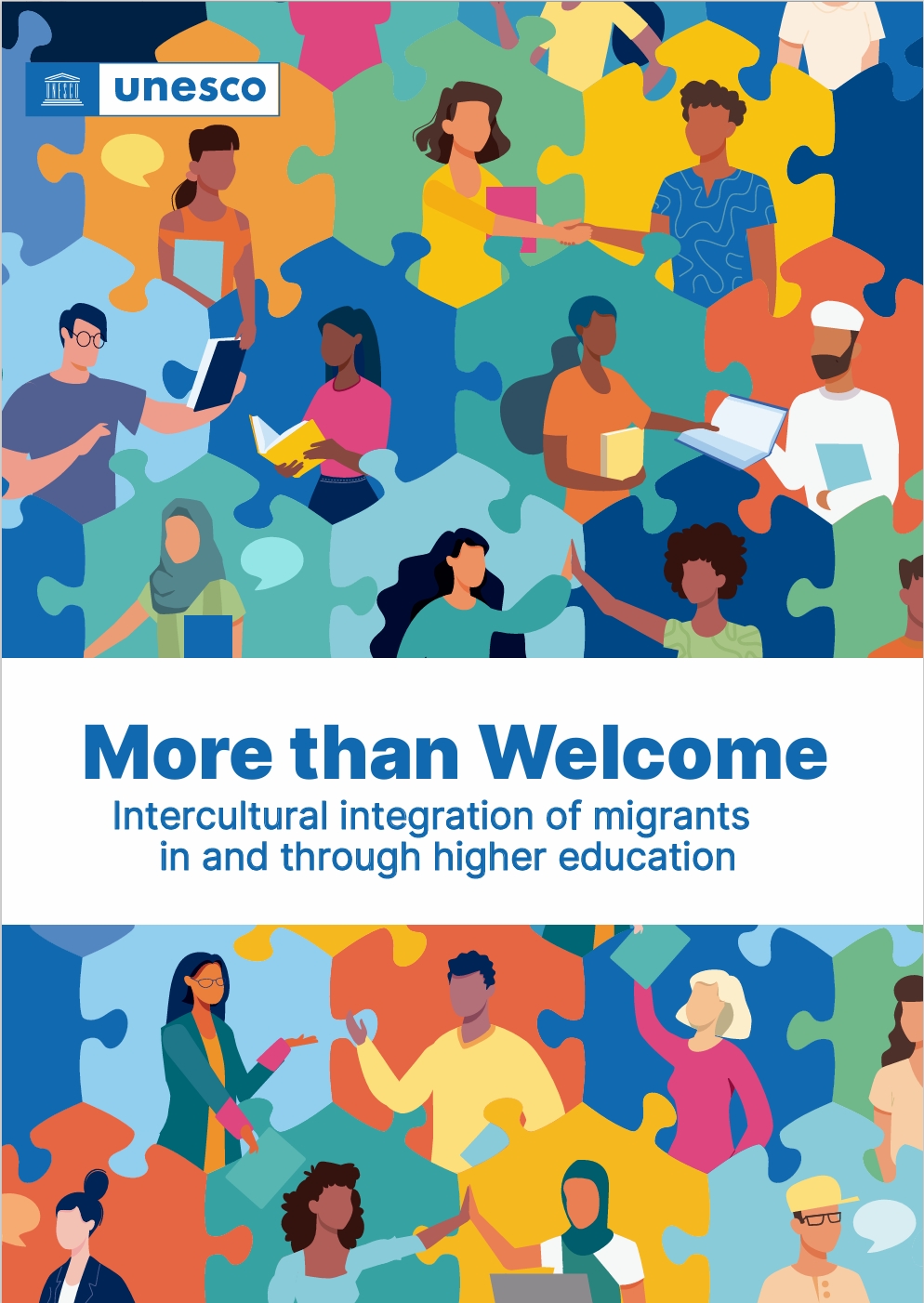 More than Welcome: Intercultural Integration of Migrants in and Through Higher Education
 -
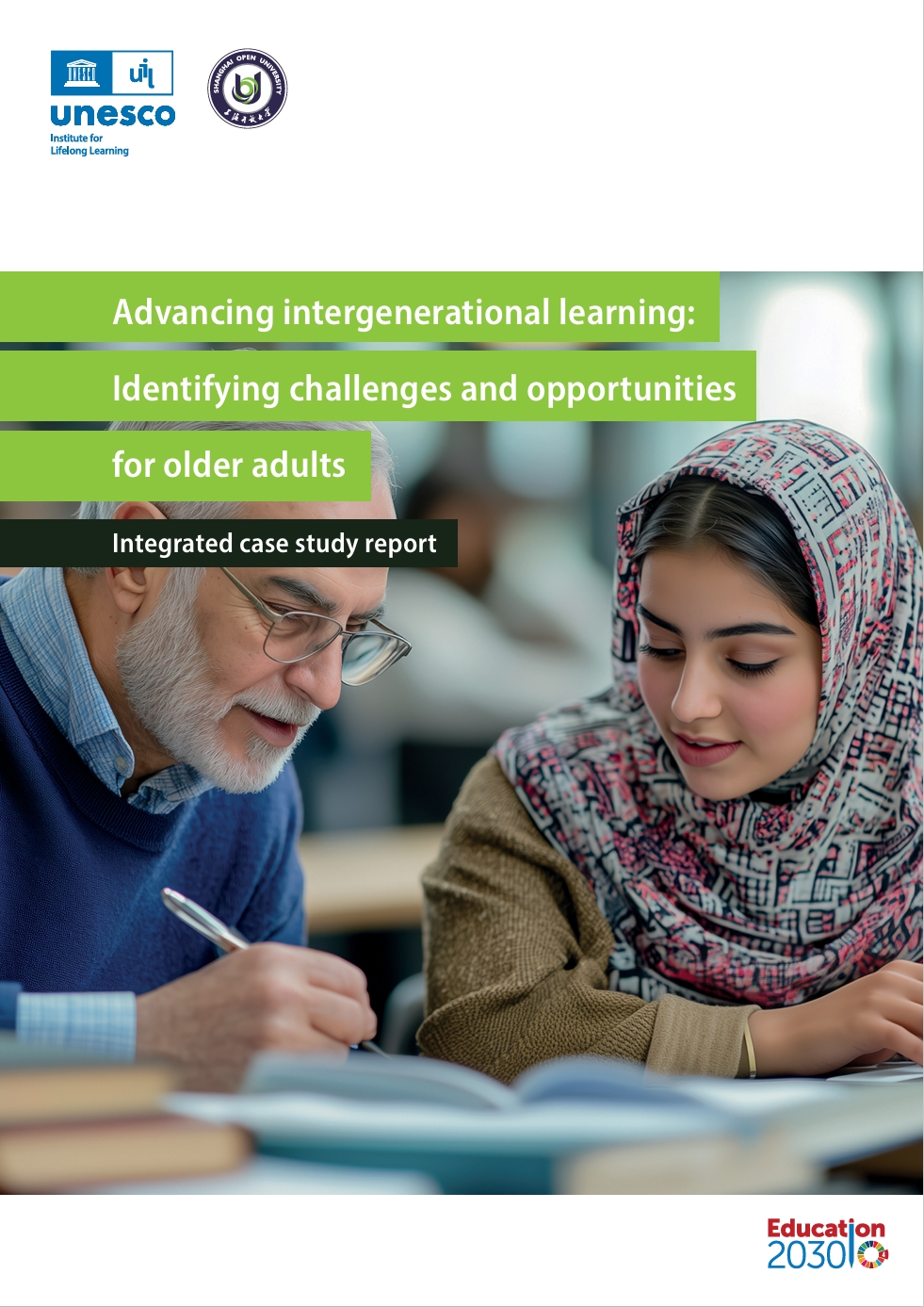 Advancing Intergenerational Learning: Identifying Challenges and Opportunities for Older Adults; Integrated Case Study Report