
자료
세계시민교육에 대한 이해를 넓히고 연구, 옹호 활동, 교수, 학습 등을 향상시킬 수 있는 다양하고 유용한 자료를 찾아보세요.
1,364 건의 결과가 검색되었습니다
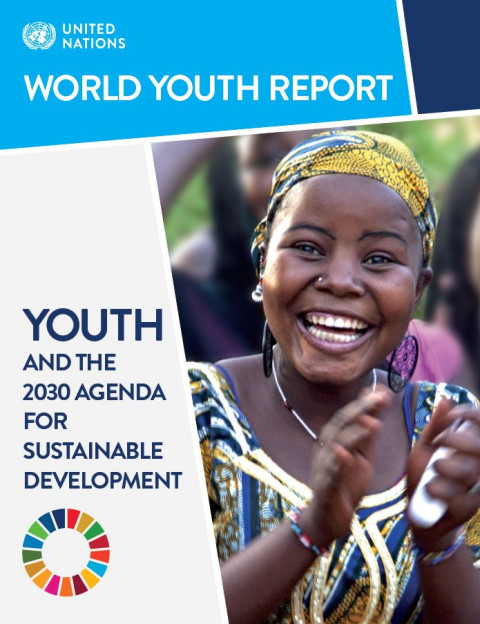 [Summary] World Youth Report: Youth and the 2030 Agenda for Sustainable Development 발행 연도: 2019 단체 저자: United Nations (UN) The World Youth Report on “Youth and the 2030 Agenda for Sustainable Development”, prepared by the United Nations Department of Economic and Social Affairs (UN DESA), examines the mutually supportive roles of the new agenda and current youth development efforts. The report provides insight into the role of young people in sustainable development in the context of the implementation of the 2030 Agenda for Sustainable Development and related frameworks, in particular, the Addis Ababa Action Agenda of the Third International Conference on Financing for Development and the World Programme of Action for Youth.The Report considers the role the 2030 Agenda can play in enhancing youth development efforts and examines how evidence-based youth policies can help accelerate youth-related objectives. It explores the critical role young people have in the implementation of sustainable development efforts at all levels. This publication is a summary of the World Youth Report on “Youth and the 2030 Agenda for Sustainable Development”. [요약문] 세계청소년보고서: 청소년과 2030 지속가능발전 의제 발행 연도: 2019 단체 저자: United Nations (UN) UN 경제사회국이 작성한 『세계청소년보고서: 청소년과 2030 지속가능발전 의제(World Youth Report: Youth and the 2030 Agenda for Sustainable Development)』는 청소년 개발에 대한 현재의 노력과 새로운 의제 간의 상호 보완적인 역할을 다루고 있습니다. UN 경제사회국은 경제, 사회 및 환경 분야 글로벌 정책과 국가적 실천 사이의 연결고리를 제공하고 있습니다. 2년마다 발간되는 본 보고서는 회원국 및 기타 이해관계자들이 청소년 문제 해결에 대한 진전 사항을 파악하고, 정책과 현실의 격차를 평가하고, 가능한 정책 대안을 마련하기 위한 정보와 분석 결과를 제공합니다.본 보고서는 2030 지속가능발전 의제 및 관련 프레임워크 이행의 맥락, 특히 제3차 개발재원총회 아디스아바바 행동의제 (Ababa Action Agenda of the Third International Conference on Financing for Development) 및 세계청소년행동계획 (World Programme of Action for Youth) 의 이행과 관련하여 지속가능발전을 위한 청소년의 역할에 대한 통찰을 제시합니다. 2030 의제는 청소년개발 노력을 증진하고 증거기반(evidence ― based) 청소년정책이 청소년 목표 증진에 이바지하는 바를 검토하는 데 있어 중요한 역할을 할 수 있습니다. 본 보고서는 이를 통해 모든 수준에서의 지속가능발전 이행에 있어 결정적으로 중요한 청소년의 역할을 살펴봅니다. 이 간행물은 『세계청소년보고서: 청소년과 2030 지속가능발전 의제(World Youth Report: Youth and the 2030 Agenda for Sustainable Development)』의 요약본입니다.
  Citizenship education and coexistence: my body, my first territory; initial cycle (early education) 발행 연도: 2014 단체 저자: Secretaría de Educación del Distrito (SED) | Fe y Alegría These twelve modules make reference to a series of activities that focus on how children from all the educative grades understand and live citizenship, strengthening and facilitating the learning processes based on autonomy. This educative materials, which are aimed at being implemented inside the classrooms, attempt to serve as input resources for educators and other agents that work on or are interested in working with citizenship education and coexistence. The overall objective is to provide quality education. Educación para la ciudadanía y la convivencia: mi cuerpo, mi primer territorio; ciclo inicial (prejardín, jardín y transición) 발행 연도: 2014 단체 저자: Secretaría de Educación del Distrito (SED) | Fe y Alegría These twelve modules make reference to a series of activities that focus on how children from all the educative grades understand and live citizenship, strengthening and facilitating the learning processes based on autonomy. This educative materials, which are aimed at being implemented inside the classrooms, attempt to serve as input resources for educators and other agents that work on or are interested in working with citizenship education and coexistence. The overall objective is to provide quality education.
 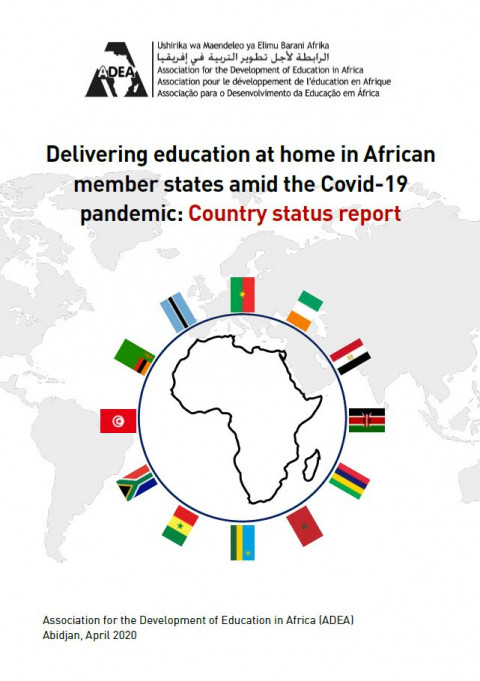 Assurer l’éducation à domicile dans les États membres africains dans le contexte de la pandémie de COVID-19 : rapport sur la situation dans les pays 발행 연도: 2020 단체 저자: Association for the Development of Education in Africa (ADEA) Depuis son émergence à la fin de 2019, la maladie à coronavirus 2019 (COVID-19) est devenue une pandémie, affectant fortement la vie de milliards de personnes à travers le monde, avec un impact énorme prévu sur l'économie mondiale et l'Afrique en particulier. L'éducation est l'un des secteurs les plus touchés, la fermeture des établissements d'enseignement dans de nombreux pays africains risquant d'affecter négativement la qualité de l'éducation.Afin d'obtenir une vision plus claire de l'état de l'apprentissage au cours de cette période et de mieux soutenir les pays dans l'immédiat, à court et à long terme, l'ADEA a engagé en mars 2020 certains des pays africains les plus touchés pour schématiser la situation nationale du secteur de l'éducation. Ce qui précède est un résumé des commentaires reçus par l'Afrique du Sud, le Burkina Faso, la Côte d'Ivoire, l'Égypte, le Ghana, le Kenya, l’île Maurice, le Maroc, le Rwanda, le Sénégal, la Tunisie et la Zambie en termes de stratégies nationales, de plateformes, d'outils ou d'applications d’apprentissage, de lacunes et défis, d’engagement des partenaires, de bonnes pratiques et d’enseignements tirés avec quelques recommandations. Education à la citoyenneté et de la coexistence: mon corps, mon premier territoire; cycle initial (pré-maternelle, jardin et transition) 발행 연도: 2014 단체 저자: Secretaría de Educación del Distrito (SED) | Fe y Alegría Ces douze modules font référence à une série d'activités qui mettent l'accent sur la façon dont les enfants de toutes les classes éducatives comprennent et vivent la citoyenneté, en renforçant et en facilitant les processus d'apprentissage basés sur l'autonomie. Ces matériels éducatifs, qui visent à être mis en œuvre dans les salles de classe, tentent de servir de ressources pour les éducateurs et autres agents qui travaillent ou sont intéressés à travailler avec l'éducation à la citoyenneté et la coexistence. L'objectif global est de fournir une éducation de qualité. Educación para la ciudadanía y la convivencia: construimos paz a nuestra medida; ciclo inicial (prejardín, jardín y transición) 발행 연도: 2015 단체 저자: Secretaría de Educación del Distrito (SED) | Fe y Alegría These twelve modules make reference to a series of activities that focus on how children from all the educative grades understand and live citizenship, strengthening and facilitating the learning processes based on autonomy. This educative materials, which are aimed at being implemented inside the classrooms, attempt to serve as input resources for educators and other agents that work on or are interested in working with citizenship education and coexistence. The overall objective is to provide quality education.
 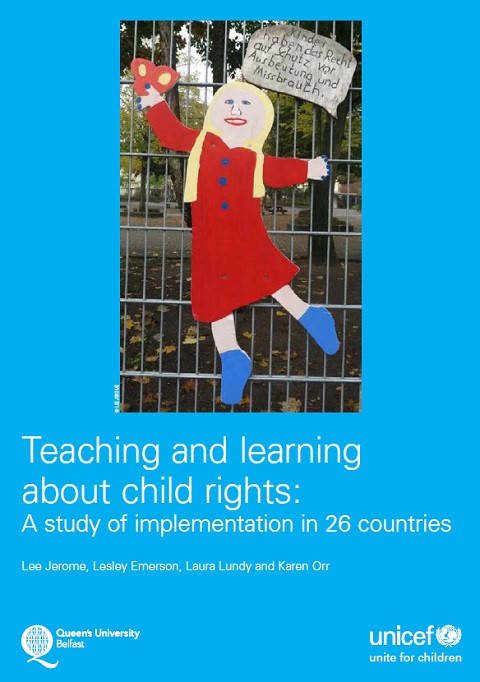 Teaching and Learning about Child Rights: A Study of Implementation in 26 Countries 발행 연도: 2015 저자: Lee Jerome | Lesley Emerson | Laura Lundy | Karen Orr 단체 저자: Queen’s University Belfast | United Nations Children's Fund (UNICEF) This research contributes to the global debate on child rights education (CRE). It explores implementation of CRE in early childhood education, primary and secondary schools in 26 countries with a UNICEF National Committee presence. It includes a literature review, results from an on-line survey completed by national experts, seven country case studies and a series of benchmarking statements for CRE implementation.
  주요 외국의 환경교육 비교 연구 발행 연도: 2018 저자: 김찬국 | 이선경 | 김남수 | 민경석 | 황세영 | 이은주 | 김태연 | 강진영 단체 저자: 대한민국 환경부 | 한국환경교육학회 이 연구는 유엔 지속가능발전교육 10년(UN DESD: 2005~2014)이 종료된 시점에서 국제기구와 주요 외국의 환경교육 분야에서 최근 나타나는 변화에 대한 종합적인 이해가 필요한 상황에서 시작되었다.특히 최근 환경교육 분야의 축적된 경험과 논의를 바탕으로 각국의 환경 및 교육상황에 부합하여 환경교육 법·제도 등을 정비하려는 노력이 국제 사회에서 이루어지고 있다는 점에 주목하였다. 이 조사 연구는 아시아, 유럽, 북미와 남미에 위치한 10개국(일본, 중국, 대만, 싱가포르, 호주, 영국, 독일, 미국, 캐나다, 브라질)을 대상으로 환경교육 현황을 조사하고 비교분석과 발전방향을 제시한다. 아울러 국제기구인 UNEP와 UNESCO의 환경교육 정책과 실행 방식도 함께 살펴보았다. Part I에는 주요 외국 10개국의 환경교육 상황과 UNESCO, UNEP의 환경교육 정책을 수록하였고, Part II에서는 각국의 환경교육을 비교 분석하고 있다.
  다문화시대 평생교육 관점에서의 세계·민주시민교육 과제 및 실천 방향 발행 연도: 2018 저자: 옥일남 단체 저자: 국가교육회의 | 서원대학교 산학협력단 본 연구는 이제까지의 국내외 민주시민교육의 정책 동향을 검토하고, 다문화사회의 특수성과 평생교육의 관점에서 새롭게 요청되는 민주시민교육의 정책 방향과 주요 과제를 제시하는데 목적이 있다. 이러한 연구 목적을 달성하기 위해 현재 우리 사회가 처해있는 세계화·다문화 맥락을 이해하고, 해외의 주요 정책 사례들을 살펴보고자 한다. 그리고 거버넌스 개념을 활용하여 민주시민교육을 세계시민교육과 연계해 세계화·다문화 시대의 시민교육을 위한 정책 방향과 실천 방안을 제시할 것이다.