
자료
세계시민교육에 대한 이해를 넓히고 연구, 옹호 활동, 교수, 학습 등을 향상시킬 수 있는 다양하고 유용한 자료를 찾아보세요.
2,781 건의 결과가 검색되었습니다
 서울 세계시민교육 이행현황 및 향후 추진 과제 연구 발행 연도: 2021 저자: 김동택 | 서용덕 | 고선규 | 김지영 | 임재민 | 장경원 | 홍윤빈 단체 저자: 서울특별시교육청 교육연구정보원 이 연구는 서울시 교육청이 추진하고 있는 세계시민교육 이행 현황을 객관지표와 주관지표를 통해 분석하고 이를 바탕으로 향후 추진되어야 할 정책 과제들(협업체계, 교육 내실화, 내용·동력·변인, 데이터 축적 및 활동 플랫폼 구축 등)을 연구하는 데 목적이 있다. 이를 위하여 2015년부 터 시작되어 현재까지 진행된 세계시민교육의 성과를 확인하기 위해 객관 지표와 주관지표를 점검하였으며, 여기서 나타난 결과들을 바탕으로 앞으 로의 정책 방향을 설정하기 위해 정책 제안을 시도하였다. 서울특별시교육청교육연구정보원이(가) 창작한 서교연 2020-33 위탁연구(서울 세계시민교육 이행현황 및 향후 추진 과제 연구) 최종보고서 저작물은 "공공누리 제4유형(출처표시-상업적 이용금지-변경금지)" 조건에 따라 이용 할 수 있습니다.
  Message from Ms Audrey Azoulay, Director-General of UNESCO, on the occasion of International Literacy Day, 8 September 2018 발행 연도: 2018 단체 저자: UNESCO. Director-General, 2017-2025 (Azoulay, A.) This message was delivered by Audrey Azoulay, Director-General of UNESCO, on the occasion of the International Day of Literacy, on 8 September 2018. 联合国教科文组织总干事奥德蕾·阿祖莱 国际扫盲日致辞:扫盲与能力开发 발행 연도: 2018 단체 저자: UNESCO. Director-General, 2017-2025 (Azoulay, A.) 2018年9月8日,联合国教科文组织总干事奥德蕾·阿祖莱国际扫盲日致辞
 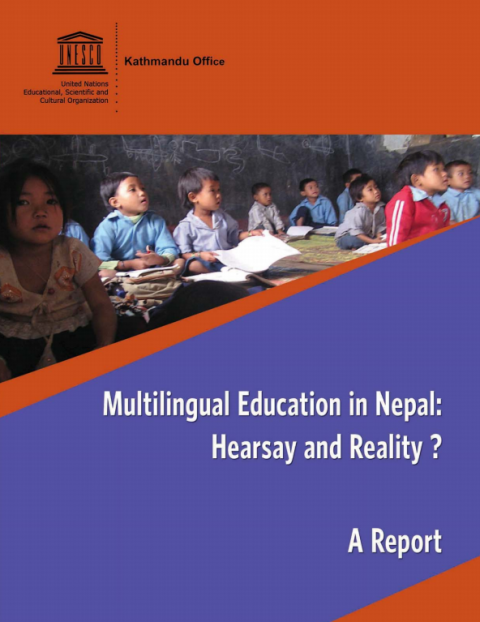 Multilingual education in Nepal: hearsay and reality? A report 발행 연도: 2011 저자: Vishnu S. Rai | Maya Rai | Prem Phyak | Nabina Rai 단체 저자: UNESCO Kathmandu The present study entitled “Multilingual Education in Nepal: Hearsay and Reality?” was started in April 2011 and completed on 25th May 2011. The main aim of the study was to explore and analyze the realities of the Multilingual Education (MLE) programme being practiced in seven schools from six different districts. The MLE programme was launched by the Department of Education (DOE) with the technical assistance of the Government of Finland in 2007. Nepal Government has planned to implement MLE in 300 schools in the coming years but there have been no comprehensive studies conducted to give an accurate picture of the MLE programme. In this context, the present study was carried out.
 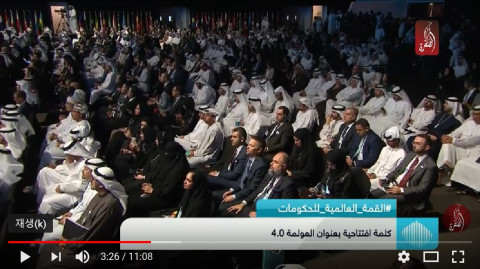 Speech by Professor Klaus Schwab Entitled Globalization 4.0 at the Opening Session of the #World Summit of Governments 2019 발행 연도: 2019 단체 저자: Al Dhafra TV Professor Klaus Schwab, Founder and CEO of the World Economic Forum: We must move to globalization in line with the modern world and the Fourth Industrial Revolution. كلمة البروفيسور كلاوس شواب بعنوان العولمة 4.0 في الجلسة الافتتاحية لـ#القمة_العالمية_للحكومات 2019 발행 연도: 2019 단체 저자: Al Dhafra TV البروفيسور كلاوس شواب المؤسس والرئيس التنفيذي للمنتدى الاقتصادي العالمي: يجب أن ننتقل إلى العولمة التي تتماشي مع العالم الحديث والثورة الصناعية الرابعة.
 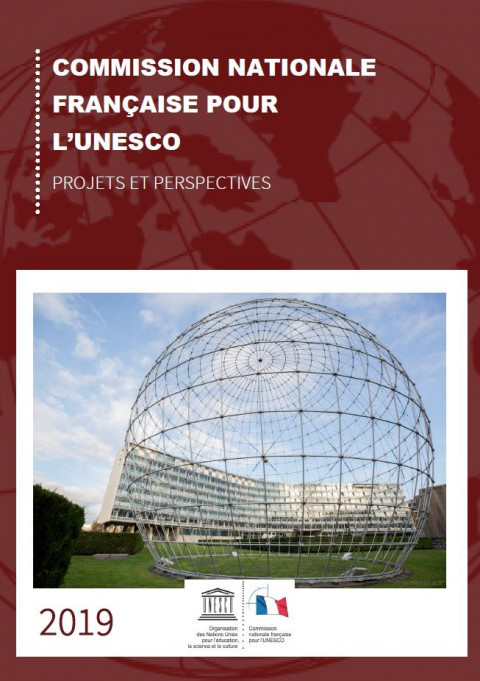 Commission nationale française pour l’unesco: Projets et perspectives 발행 연도: 2019 단체 저자: Commission nationale française pour l’UNESCO La Commission nationale française pour l’UNESCO relie les français et l’UNESCO. La Commission nationale place au cœur de sa stratégie et de ses activités, la coopération avec la société civile. Pour y parvenir, la Commission nationale française favorise la réflexion collective et l’action concertée dans les domaines de l’éducation, des sciences, de la culture, de la communication et de l’information. Les partenariats et les réseaux sont au cœur de notre mandat : nous construisons nos projets avec des partenaires gouvernementaux, de la société civile, des autres commissions nationales. Cette année encore, le développement de partenariats nous permettra d’étendre l’impact de nos projets. En plus de ces partenariats, nous utilisons Internet et les réseaux sociaux pour sensibiliser la société civile à nos actions. Au cours de la période 2018-2020 , la priorité est donnée au développement et au renforcement de la coopération avec les secteurs de l’UNESCO, les réseaux français: Ecoles associées, Clubs pour l’UNESCO, Chaires UNESCO, et les partenaires de la société civile et du secteur privé, en reconnaissance du rôle de la coopération dans le domaine de l’éducation, des sciences et de la culture pour la promotion de transformations sociales positives, de l’inclusion sociale et du dialogue interculturel. La diversification des partenaires auprès de la société civile, du secteur privé et la signature de partenariats avec des institutions scientifiques et académiques sont au cœur ces avancées afin de replacer la société civile dans l’action de la Commission française.Projet et Perspectives de la Commission nationale française pour l’UNESCO 2019
  12 Claves para fortalecer la educación ciudadana en Chile 발행 연도: 2021 단체 저자: Programa de las Naciones Unidas para el Desarrollo (PNUD) Conjunto de claves dirigidas a responsables de generar políticas, directivos escolares, docentes, estudiantes, padres y apoderados para implementar la educación ciudadana en sus comunidades educativas. Esta guía está pensada para promover la reflexión crítica entre los generadores de políticas y en las distintas comunidades educacionales a partir de una visión integral que enfatiza el protagonismo de las comunidades educativas en la toma de decisión relativa a los procesos de enseñanza, aprendizaje y gobernanza escolar.
  SDG4 관점에서 한국의 COVID-19 대응 진단 및 Post COVID-19를 위한 제언 발행 연도: 2020 저자: 장상현 | 계보경 | 김민 | 박기웅 | 백송이 | 김명량 | 김동진 | 장경숙 | 김정희 | 황정원 | 김철희 | 최현식 | 박민선 | 엄정민 단체 저자: 한국교육학술정보원 본 연구는 UN의 지속가능개발목표(SDGs)의 네 번째인 SDG4의 관점에서 한국의 COVID-19에 대한 교육정책 분야의 대응 방안과 사례를 진단하고, COVID-19 이후에 맞이하게 될 시대의 SDG4 세부목표를 제안하기 위해 수행되었다. 모든 이를 위한 포용적이고 공평한 양질의 교육 보장과 평생학습의 증진을 위한 ‘교육2030 인천 선언(Education 2030: Incheon Declaration and Framework for Action)’이 채택된 이후, SDG4 교육목표를 달성하기 위한 범 정부와 민간 차원의 지원이 계속되었으나, COVID-19 팬데믹으로 인해 학생들 간의 학습 격차가 발생하고, 학습 기회가 약화되는 등 적극적인 대응책이 필요해지고 있는 상황이다. 이에 본 연구에서는 COVID-19 상황 하에서 한국의 교육 현황을 점검하고 포용성, 형평성, 양질의 교육을 실현할 수 있는 대응 방안을 탐색하며, 이를 바탕으로 글로벌 의제와 한국적 대응 방안을 융합한 포스트 COVID-19를 위한 SDG4 세부목표별 제언을 도출하고자 하였다. 본 저작물은 한국교육학술정보원에서 2020년 작성하여 공공누리 제 4유형으로 개방한 ‘SDG4 관점에서 한국의 COVID-19 대응 진단 및 Post COVID-19를 위한 제언(장상현 외)’을 이용하였으며 해당 저작물은 한국교육학술정보원(www.keris.or.kr)에서 무료로 다운받으실 수 있습니다.
 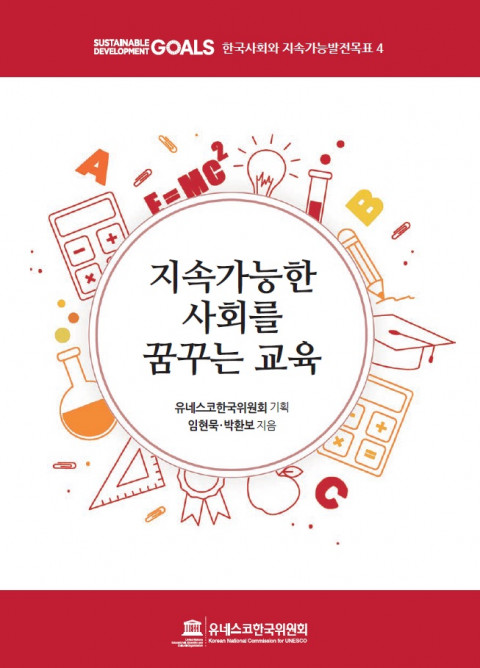 한국사회와 지속가능발전목표 4: 지속가능한 사회를 꿈꾸는 교육 발행 연도: 2018 저자: 임현묵 | 박환보 단체 저자: 유네스코한국위원회 지속가능발전목표에 대한 시민의 이해를 돕고자 유네스코한국위원회가 발간하는 ‘한국사회와 지속가능발전목표’ 시리즈 중 4번째로, 세계시민교육과 지속가능발전교육을 포함한 지속가능발전목표 4번을 집중적으로 다루고 있다. 유네스코한국위원회는 2017년 <<한국사회와 지속가능발전목표 7: 우리의 지속가능한 에너지>>와 <<한국사회와 지속가능발전목표 11: 우리의 지속가능한 도시>>를 펴낸 데 이어, 2018년에는 <<한국사회와 지속가능발전목표 15: 우리의 지속가능한 생물다양성>>과 이 책을 발간했다.