
자료
세계시민교육에 대한 이해를 넓히고 연구, 옹호 활동, 교수, 학습 등을 향상시킬 수 있는 다양하고 유용한 자료를 찾아보세요.
1,725 건의 결과가 검색되었습니다
 [Резюм] Совместное переосмысление наших перспектив: Новый социальный договор в интересах образования 발행 연도: 2021 단체 저자: International Commission on the Futures of Education | Организация Объединенных Наций по вопросам образования, науки и культуры (UNESCO) Все человечество и планета Земля находятся под угрозой. Для изменения ситуации и переосмысления будущего необходимы безотлагательные действия, предпринятые каждым из нас. Перед образованием, которое уже давно признано влиятельным фактором позитивных изменений, стоит новая, срочная и важная задача. Данный доклад Международной комиссии по Перспективам образования, основанный на глобальном процессе консультаций с участием около миллиона человек, предлагает правительствам, учреждениям, организациям и гражданам всего мира заключить новый общественный договор в области образования, который поможет нам построить мирные отношения, создавая справедливое и устойчивое будущее вместе и для каждого. В докладe подробно рассматриваются цифровые технологии, изменение климата, отсутствие успеха в достижении демократии и поляризация общества, а также неопределенные перспективы трудоустройства. Доклад направлен не только на то, чтобы стимулировать обсуждение о вопросах образования и побудить к размышлениям, но и на то, чтобы призвать каждого из нас к активным действиям. Основная его идея заключается в том, что только через миллионы индивидуальных и коллективных актов мужества, лидерства, сопротивления, творчества и заботы мы сможем изменить курс и преобразить систему образования для построения справедливого, равноправного и устойчивого будущего. [摘要] 一起重新构想我们的未来:为教育打造新的社会契约 발행 연도: 2021 단체 저자: International Commission on the Futures of Education | 联合国教科文组织 (UNESCO) 人类和地球正受到威胁。我们需要共同采取紧急行动,改变发展方向,重新构 想我们的未来。长期以来,教育都被认为是促进积极变革的强大力量,而现在教育 面临着全新的、紧迫的和重要的任务。“教育的未来”国际委员会的这份报告在约 百万人参与的全球协商进程的基础上,邀请世界各地的政府、机构、组织和公民出 谋划策,为教育缔结一项新的社会契约,齐心协力地建设一个面向所有人的和平、 公正和可持续的未来。 报告深入探讨了数字技术、气候变化、民主滑坡、社会两极分化以及不确定的 工作前景等问题,其目的不仅仅是让每个人参与教育对话,引发思考,而且要鞭策 我们每个人都采取行动。报告认为,只有通过数以百万计的个人和集体,凭借行动 力、领导力、抗压力、创造力和关爱力,我们才能改变发展方向,实现教育转型, 最终建设一个公正、公平和可持续的未来。
  التوصية الخاصة بالتربية والتعليم من أجل السلام وحقوق الإنسان والتنمية المستدامة: دليل تفسيري 발행 연도: 2024 단체 저자: UNESCO ويقدّم هذا الكتيّب تعريفاً بالتوصية بصيغتها المعدّلة ويبيّن مضمون التوصية ويوضح لمختلف الجهات المعنية بالتربية والتعليم كيفية استخدامها بطريقة عملية في عملها اليومي.
  The Recommendation on Education for Peace, Human Rights and Sustainable Development: An Explainer 발행 연도: 2024 단체 저자: UNESCO This is an explainer brochure of the new UNESCO Recommendation on Education for Peace and Human Rights, International Understanding, Cooperation, Fundamental Freedoms, Global Citizenship and Sustainable Development, which is commonly referred to as the Recommendation on Education for Peace, Human Rights and Sustainable Development, about its purpose, history, content and potential to bring about necessary change.
  Recomendación sobre la Educación para la Paz, los Derechos Humanos y el Desarrollo Sostenible : nota explicativa 발행 연도: 2024 단체 저자: UNESCO En este folleto se presenta la versión actualizada de la Recomendación y se explica lo que ofrece y el modo en que las distintas partes interesadas en la educación pueden utilizarla de manera concreta en el día a día.
  La Recommandation sur l’éducation pour la paix, les droits de l’homme et le développement durable: Brochure explicative 발행 연도: 2024 단체 저자: UNESCO Cette brochure présente la version actualisée de la Recommandation et explique ce que cette dernière peut apporter et comment elle peut être mise en application de manière concrète par les différents acteurs de l’éducation au quotidien.
 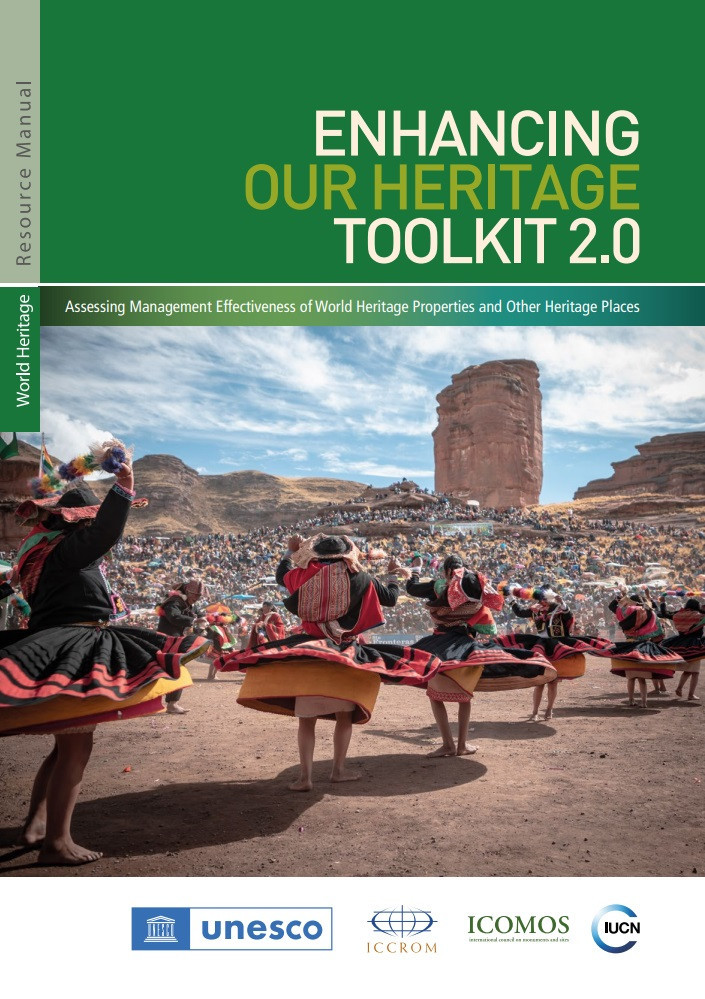 Enhancing our heritage toolkit 2.0: assessing management effectiveness of World Heritage properties and other heritage places 발행 연도: 2023 단체 저자: UNESCO | International Centre for the Study of the Preservation and Restoration of Cultural Property (ICCROM) | International Council on Monuments and Sites (ICOMOS) | International Union for Conservation of Nature (IUCN) <Short summary>EoH 2.0 toolkit helps assess management effectiveness in World Heritage places World Heritage properties are internationally recognized as places of Outstanding Universal Value that should benefit from the highest level of management effectiveness. Despite the best efforts to conserve these places for present and future generations, many are under threat from a range of factors. These include inappropriate development, mass tourism, pollution, resource extraction or climate change, to name but a few.What can be done to better respond to factors negatively affecting World Heritage places? Do management processes influence conservation results? If so, how can critical management weaknesses be identified and improved?The Enhancing Our Heritage Toolkit 2.0 offers a self-assessment methodology to evaluate management effectiveness in a World Heritage property or other heritage place. It contains 12 tools that can be used separately or collectively to understand in detail what is working well and what can be done better. To facilitate their use, the tools are accompanied by worksheets, in the form of either a template to help compile information in a systematic way or a questionnaire, both of which can be adapted to the specific needs of each heritage place.The Toolkit supports managers in identifying ways to improve conservation practices, management processes and resource allocation – particularly if used before reviewing or updating management plans. While there is a focus on World Heritage, it can be applied to all heritage places, whether natural, cultural or combinations of both.
 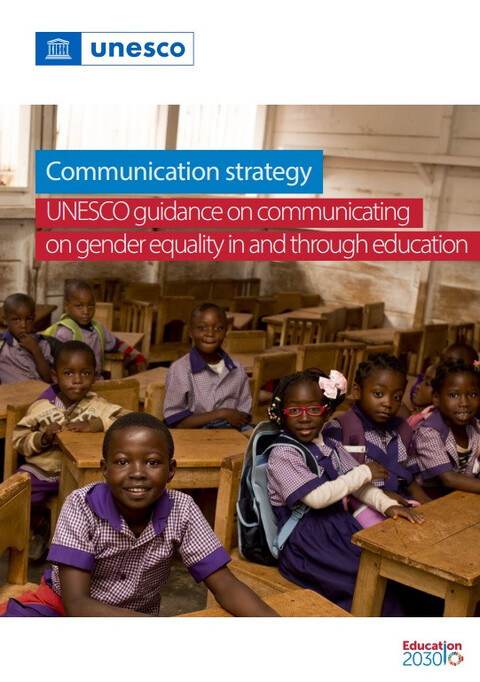 Communication Strategy: UNESCO Guidance on Communicating on Gender Equality in and through Education 발행 연도: 2022 단체 저자: UNESCO About 259 million children and youth are out of school according to the UNESCO Institute for Statistics, including 127 million girls and 132 million boys. Twothirds of the 750 million non-literate adults around the world are women. This gender disparity remains one of the persistent challenges in adult literacy and education. The COVID-19 pandemic has exacerbated existing challenges, disrupting the education of over 1.5 billion learners. UNESCO estimates that close to 24 million children and youth, including over 11 million girls and 13 million boys, may drop out of school due to the pandemic’s economic impact. A window of opportunity is now more than ever open to build back equal. This communication strategy is designed to provide strategic guidance on communicating on gender equality in and through education. While prepared for UNESCO Education Sector staff, including those at Headquarters, in Field/Regional/Cluster Offices and in Institutes as well as for implementing partners, a broader audience of gender focal points, partners, Member States and others with an interest in and commitment to gender equality in and through education may also find this strategy particularly useful. Estrategia de comunicación: Orientaciones de la UNESCO sobre la comunicación en materia de igualdad de género en y a través de la educación 발행 연도: 2022 단체 저자: UNESCO Según el Instituto de Estadística de la UNESCO, aproximadamente 259 millones de niños y jóvenes no están escolarizados, entre los cuales 127 millones de niñas y 132 millones de niños. Asimismo, dos tercios de los 750 millones de adultos analfabetos de todo el mundo son mujeres. Esta disparidad de género sigue siendo uno de los desafíos persistentes en la alfabetización de adultos y la educación. La pandemia de COVID-19 ha exacerbado los desafíos existentes, interrumpiendo la educación de más de 1 500 millones de alumnos. La UNESCO calcula que aproximadamente 24 millones de niños y jóvenes, incluyendo más de 11 millones de niñas y 13 millones de niños, pueden llegar a abandonar la escuela debido al impacto económico de la pandemia. Ahora más que nunca se abre la posibilidad de reforzar la igualdad. Esta estrategia de comunicación está diseñada para proporcionar una orientación estratégica sobre la comunicación de la igualdad de género en y a través de la educación. Aunque se ha preparado teniendo en cuenta al personal del Sector de la Educación de la UNESCO en la Sede, las oficinas fuera de la Sede, regionales y multipaís y los institutos, así como a los asociados en la ejecución, esta estrategia también puede resultar especialmente útil a un público más amplio de coordinadores en cuestiones de género, socios, Estados Miembros y otras personas interesadas y comprometidas con la igualdad de género en y a través de la educación. Stratégie de communication: Orientations de l’UNESCO pour la communication relative à l’égalité des genres dans et par l’éducation 발행 연도: 2022 단체 저자: UNESCO Selon l’Institut de statistique de l’UNESCO, 259 millions d’enfants et de jeunes ne sont pas scolarisés, dont 127 millions de filles et 132 millions de garçons. Les deux tiers des 750 millions d’adultes analphabètes à travers le monde sont des femmes. Cet écart entre les genres reste l’un des défis les plus persistants à relever en matière d’alphabétisme des adultes et d’éducation. La pandémie de la COVID-19 a exacerbé les difficultés préexistantes, perturbant l’éducation de plus de 1,5 milliard d’apprenants. L’UNESCO estime que près de 24 millions d’enfants et de jeunes, dont plus de 11 millions de filles et 13 millions de garçons, pourraient être déscolarisés en raison des répercussions économiques de la pandémie. Aujourd’hui, nous avons plus que jamais l’occasion de reconstruire l’égalité. Cette stratégie de communication est conçue pour orienter la communication relative à l’égalité des genres dans et par l’éducation. Bien que préparée avec des considérations pour le personnel du Secteur de l’éducation de l’UNESCO au siège, dans les bureaux hors siège, régionaux et multi-pays et instituts, ainsi que pour les partenaires de mise en œuvre, un public plus large de points focaux pour le genre, de partenaires, d’États membres et d’autres ayant un intérêt et un engagement pour l’égalité des genres dans et par l’éducation peuvent également trouver cette stratégie particulièrement utile.