
자료
세계시민교육에 대한 이해를 넓히고 연구, 옹호 활동, 교수, 학습 등을 향상시킬 수 있는 다양하고 유용한 자료를 찾아보세요.
685 건의 결과가 검색되었습니다
 The Forms and Continuing Challenges of Citizens E-Participation from the View of E-Governance 발행 연도: 2013 저자: Xiong Li This paper discusses civic participation through ICT in the context of e-governance and analyses the chanllenges to a form of e-democracy. 电子治理视角下公民电子政治参与形式及持续挑战 발행 연도: 2013 저자: Xiong Li 本文探讨电子治理背景下公民通过电子信息技术参与政治,实现电子信息民主化的形式,以及这一过程所面临的挑战。
  Introductory News Literacy: Adapted from High Five 2012; The Integrated Language Arts and Journalism Curriculum for Middle School Students 발행 연도: 2013 단체 저자: American Press Institute The American Press Institute’s Introductory News Literacy Units are lightweight general usage lesson plans for introducing middle school students to how to read and understand news media and current events. While the Institute offers more specific and in-depth materials and ideas for promoting news literacy, these new units provide a resource for the time-pressed teacher working with students at an important age. Split into three units of one-to-two weeks each, the curriculum briefly overviews critical elements in news understanding and healthy processes for determining source information and bias. Individual lessons can be adapted and used to fit specific classroom needs.
  The Media and Its Role in Raising Security Awareness in Society 발행 연도: 2018 저자: Abdul Basit Howaidi | Iman Drake 단체 저자: Hamma Lakhdar Eloued University The aim of this study was to reveal the role of the media in the security awareness within the society. The media was one of the means of mass influence that played an important role in the life of human societies. The analytical descriptive method was used to suit the nature of the subject. A professor of the Faculty of Social Sciences and Humanity, which was randomly selected. The questionnaire was also used as an important tool for collecting data from the field. The study reached the following results: The media, the coverage, the nature of the programs presented, and the attempt to open channels of communication between the security institutions and the media have a great role in spreading and achieving security awareness within the community. الإعلام و دوره في التوعية الأمنية داخل المجتمع 발행 연도: 2018 저자: Abdul Basit Howaidi | Iman Drake 단체 저자: Hamma Lakhdar Eloued University هدفت هذه الدراسة إلى ال كشف عن "دور الإعلام في التوعية الأمنية داخل المجتمع"، و ذلك أن الإعلام وسيلة من وسائل التأثير الجماهيري التي لعبت دورا مهما في حياة المجتمعات الإنسانية ، تم توظيف المنهج الوصفي التحليلي و الذي يناسب طبيعة الموضوع، وقدرت عينة الدراسة ب66 أستاذا جامعيا من كلية العلوم الاجتماعية و الانسانية و التي تم اختيارها بطريقة عشوائية، كما تم الاعتماد على أداة الاستبيان كأداة مهمة لجمع البيانات من الميدان و قد توصلت الدراسة إلى النتائج التالية : ان للإعلام و طريقة التغطية و طبيعة البرامج المقدمة ومحاولة فتح قنوات الاتصال بين المؤسسات الأمنية و الإعلام له دور كبير في نشر و تحقيق التوعية الأمنية داخل المجتمع.
  Enhancing Jordanian Media’s Ability to Combat Extremism and Terrorism Through Media Literacy, Quality of Content, and Media Performance: Training Guide (2020) 발행 연도: 2020 저자: Amani Jarrar 단체 저자: Jordan Media Institute This training toolkit has been developed by the Jordan Media Institute in the frame of the project “Improving Jordan’s Media Capacity to Counter Violent Extremism and terrorism: Media Literacy and Performance & Content Quality Perspective”. The guide means to be a reference for journalists to enhance journalists media literacy, fact checking and news verification skills when covering stories of extremism and terrorism.This project has been implemented since December 2019 under the STRIVE Global Program, funded by the European Union, at Hedayah.
 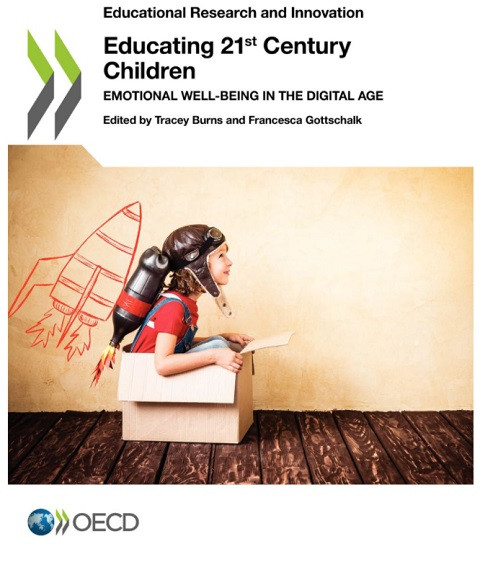 Education 21st Century Children: Emotional Well-being in the Digital Age (Educational Research and Innovation) 발행 연도: 2019 단체 저자: Organisation for Economic Co-operation and Development (OECD) This report examines modern childhood, looking specifically at the intersection between emotional well-being and new technologies. It explores how parenting and friendships have changed in the digital age. It examines children as digital citizens, and how best to take advantage of online opportunities while minimising the risks. The volume ends with a look at how to foster digital literacy and resilience, highlighting the role of partnerships, policy and protection.
  디지털 리터러시 교육 1부: 정보를 읽는 능력을 키워라! #1 발행 연도: 2020 단체 저자: 한국교육방송공사 급변하는 매체환경, 범람하는 가짜뉴스 속에서 진짜 정보와 가짜 정보를 구분하는 능력인 디지털리터러시가 중요하게 여겨지고 있는 상황. 우리 학생들이 미래를 바꿀 수 있는 역량을 갖도록 하기 위해 시대의 흐름에 맞는 교육의 변화 또한 필요하다. 이번 <미래교육 플러스>에서는 변화한 흐름에 맞는 디지털리터러시 교육에 대해서 논의 한다. 디지털 리터러시 교육 1부 ‘정보를 읽는 능력을 키워라!’에서는 디지털 리터러시의 중요성과 디지털 리터러시 교육의 현주소를 점검해 본다.
  디지털 리터러시 교육 1부: 정보를 읽는 능력을 키워라! #2 발행 연도: 2020 단체 저자: 한국교육방송공사 급변하는 매체환경, 범람하는 가짜뉴스 속에서 진짜 정보와 가짜 정보를 구분하는 능력인 디지털리터러시가 중요하게 여겨지고 있는 상황. 우리 학생들이 미래를 바꿀 수 있는 역량을 갖도록 하기 위해 시대의 흐름에 맞는 교육의 변화 또한 필요하다. 이번 <미래교육 플러스>에서는 변화한 흐름에 맞는 디지털리터러시 교육에 대해서 논의 한다. 디지털 리터러시 교육 1부 ‘정보를 읽는 능력을 키워라!’에서는 디지털 리터러시의 중요성과 디지털 리터러시 교육의 현주소를 점검해 본다.
 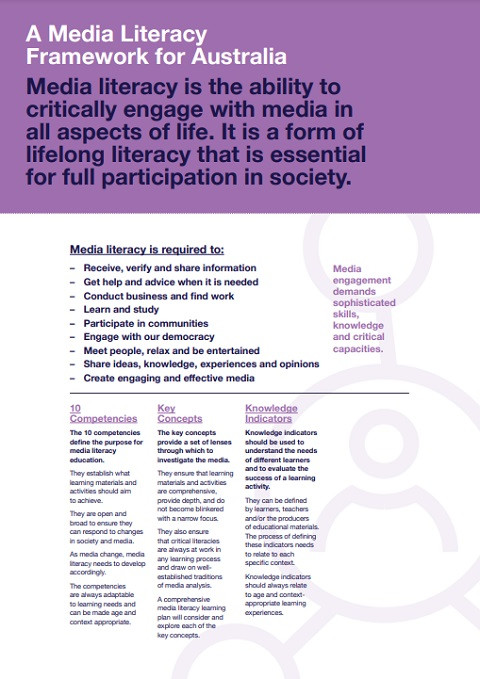 A Media Literacy Framework for Australia 발행 연도: 2020 단체 저자: Australian Media Literacy Alliance (AMLA) AMLA define media literacy as the ability to critically engage with media in all aspects of life.Media literacy complements Digital Literacy and Digital Safety – and all three are required to thrive in a digital world. Digital literacy focuses on the skills and knowledge required to access and use digital technologies. Digital Safety focuses on issues like online hate and abuse, bullying, the protection of personal information and online scams.Media Literacy encourages people to ask critical questions about the media and media technologies using a set of six key concepts. For any example of media (an advertisement, a news story, a film or television program, a YouTube video, video game or a social media post), we can ask the following questions:Institutions: who made this media and why did they make it?Audiences: who was this media made for and how are they likely to respond to it?Representations: how are people, places or ideas portrayed in this media, and what are the impacts of this?Technologies: what technology was used to produce, access and circulate this media? Does the technology gather personal data from users?Languages: how does this media communicate using image, sounds and written text?Relationships: what kind of relationships are being developed through the distribution and use of this media?These questions will have very different answers and follow-on questions depending on the media example, but the process of asking and answering these questions leads to critical understandings, and forms the basis for more successful media experiences. These questions can be asked during the process of consuming, sharing or creating media. They can be integrated as part of any Digital Literacy and Digital Safety learning program.