
자료
세계시민교육에 대한 이해를 넓히고 연구, 옹호 활동, 교수, 학습 등을 향상시킬 수 있는 다양하고 유용한 자료를 찾아보세요.
3,446 건의 결과가 검색되었습니다
 دور البيئة المدرسية في تحفيز الإبداع لدى الطلبة في مدارس شمال فلسطين من وجهة المعلمين والمعلمات فيها 발행 연도: 2017 저자: Khalid Qarwani | Husam HarzAllah 단체 저자: World Islamic Sciences and Education University تهدف هذه الدراسة إلى التعرف على دور البيئة المدرسية في تحفيز الابتكار لدى طلاب المرحلة الثانوية في شمال فلسطين من وجهة نظر المعلمين. ولتحقيق أهداف الدراسة واختبار فرضية الدراسة استخدم الباحث المنهج الوصفي التحليلي مع استبانة وزعت على عينة الدراسة المكونة من (250) معلماً. تشكل (20٪) من مجتمع الدراسة. بعد تحليل البيانات التي تم جمعها ، كشفت الدراسة ما يلي. أولاً ، تلعب بيئة المدرسة دورًا كبيرًا على المستوى الإحصائي (α = 0.05) في تحفيز الابتكار لدى طلاب ذلك المستوى في المكان المحدد على الرغم من متغيرات مكان الإقامة. ثانيًا ، لا يوجد دور لبيئة المدرسة على المستوى الإحصائي (α = 0.05) في تحفيز الابتكار لدى طلاب ذلك المستوى في المكان المحدد من وجهة نظر المعلمين بسبب متغيرات الجنس ، والتخصص في درجة البكالوريوس ، والخبرة ، والحالة الاجتماعية. The Role of the School Environment in Stimulating Students' Creativity in the Schools of Northern Palestine from the Point of View of Teachers 발행 연도: 2017 저자: Khalid Qarwani | Husam HarzAllah 단체 저자: World Islamic Sciences and Education University This study aims at investigating the role of the school's environment in stimulating innovation among the students of the secondary level at the north of Palestine from teachers' viewpoint. To achieve the aims of the study and to test the study hypothesis, the researcher uses the analytical descriptive methodology along with a questionnaire that was distributed to the sample of the study which consisted of (250) teachers; forming (20%) of the study population. After analysing the collected data, the study reveals the following. First, the school's environment plays a large role at the statistical level (α=0.05) in stimulating innovation among the students of that level at the defined venue in spite of the variables of the place of residency. Second, there is no role for the school's environment at the statistical level (α=0.05) in stimulating innovation among the students of that level at the defined venue from teachers' viewpoint due to variables of gender, specialization in the Bachelor's degree, experience, and social status.
  أثر التعلم التحويلي في تنمية مهارات المعالجة الذهنية المعرفية والاستقلال الذاتي لدى طالبات كلية التربية بجامعة الملك خالد 발행 연도: 2019 저자: Hessa Muhammad Al Malaz 단체 저자: Islamic University of Gaza هدفت الدراسة الى التعرف على أثر استخدام استراتيجية قائمة على التعلم التحويلي لتنمية مهارات المعالجة الذهنية المعرفية. استخدمت الدراسة عينة من طالبات كلية التربية للبنات بجامعة الملك خالد. كشفت الدراسة عن علاقة موجبة ودالة احصائيا بين المعالجة الذهنية المعرفية والاستقلال الذاتي. The Effect of Transformative Learning on Developing Information Processing Skills and Autonomy among Faculty of Education Female Students at KKU 발행 연도: 2019 저자: Hessa Muhammad Al Malaz 단체 저자: Islamic University of Gaza The study aimed to identify the effect of using a strategy based on transformational learning to develop cognitive mental processing skills. The study used a sample of students from the College of Education for Girls at King Khalid University. The study revealed a positive and statistically significant relationship between cognitive mental processing and autonomy.
  ما هي العوامل التي تدفع الشباب إلى رفض التطرف العنيف؟: نتائج تحليل استكشا في تم إجراؤه في الضفة الغربية 발행 연도: 2015 저자: Kim Cragin | Melissa A. Bradley | Eric Robinson | Paul S. Steinberg 단체 저자: RAND Corporation أدت الهجمات الإرهابية المستمرة وتورط مقاتلين أجانب في سوريا والعراق إلى زيادة الاهتمام بين صانعي السياسات وإنفاذ القانون والصحفيين والأكاديميين على جانبي المحيط الأطلسي بشأن موضوع التطرف الإرهابي. العديد من العوامل التي تدفع الأفراد أو تدفعهم نحو التطرف محل نزاع داخل مجتمع الخبراء. بدلاً من فحص العوامل التي تؤدي إلى التطرف وارتكاب أعمال إرهابية ، يتخذ هذا التقرير مقاربة جديدة. ما هي العوامل التي تدفع الشباب إلى رفض التطرف العنيف؟ نتائج التحليل الاستكشافي في الضفة الغربية تعالج بشكل تجريبي موضوع لماذا يرفض الشباب التطرف العنيف. للقيام بذلك ، يركز المؤلفون على الضفة الغربية الفلسطينية. يبدأ التقرير بنموذج نظري ثم يختبر هذا النموذج بالبيانات التي تم جمعها من خلال المقابلات والمسح المنظم. في هذه الدراسة ، تم إجراء عشر مقابلات شبه منظمة مع سياسيين من حماس وفتح في عام 2012. إلى جانب هذه المقابلات ، أجرى المؤلفون مسحًا على 600 شاب (تتراوح أعمارهم بين 18 و 30 عامًا) يعيشون في الخليل وجنين ورام الله.تظهر النتائج الشاملة لهذا الجهد أن (1) رفض التطرف العنيف ، بالنسبة لسكان الضفة الغربية ، هو عملية ذات مراحل وخيارات متعددة في كل مرحلة. (2) تلعب الأسرة دورًا أكبر من دور الأصدقاء في تشكيل المواقف تجاه اللاعنف ؛ (3) الديموغرافيات ليس لها تأثير كبير على المواقف تجاه اللاعنف. و (4) تختلف مناهضة العنف نظريًا عن اختيار عدم الانخراط في العنف. What Factors Cause Youth to Reject Violent Extremism?: Results of an Exploratory Analysis in the West Bank 발행 연도: 2015 저자: Kim Cragin | Melissa A. Bradley | Eric Robinson | Paul S. Steinberg 단체 저자: RAND Corporation Continued terrorist attacks and the involvement of foreign fighters in Syria and Iraq have prompted a surge of interest among policymakers, law enforcement, journalists, and academics on both sides of the Atlantic on the topic of terrorist radicalization. Many of the factors that push or pull individuals toward radicalization are in dispute within the expert community. Instead of examining the factors that lead to radicalization and the commission of terrorist acts, this report takes a new approach. What Factors Cause Youth to Reject Violent Extremism? Results of an Exploratory Analysis in the West Bank empirically addresses the topic of why youth reject violent extremism. To do this, the authors focus on the Palestinian West Bank. The report begins with a theoretical model and then tests this model with data gathered through structured interviews and a survey. For this study, ten semistructured interviews were conducted with politicians from Hamas and Fatah in 2012. Along with these interviews, the authors conducted a survey among 600 youth (ages 18–30) who lived in Hebron, Jenin, and Ramallah.The overarching findings from this effort demonstrate that (1) rejecting violent extremism, for residents of the West Bank, is a process with multiple stages and choices within each stage; (2) family plays a greater role than friends in shaping attitudes toward nonviolence; (3) demographics do not have a significant impact on attitudes toward nonviolence; and (4) opposing violence in theory is distinct from choosing not to engage in violence.
  Central Asian States in the International Rankings of Democracy Development 발행 연도: 2021 저자: E.G. Garbuzarova Each Central Asian state has its own features and dynamics/statics of democratic transit, but they are all united by the personification of power and loyalty to the autocrat rather than to the political institutions. The author attempts to trace the current state of the political systems of Central Asian states, highlighting the positive and negative trends in their democratization. Государства Центральной Азии в международных рейтингах развития демократии 발행 연도: 2021 저자: E.G. Garbuzarova В каждом Центральноазиатском государстве наблюдаются свои особенности и динамика/статика демократического транзита, однако объединяет их всех персонификация власти и лояльность личности, а не политическому институту. Автор на основе авторитетных международных рейтингов развития демократии предпринял попытку проследить современное состояние политических систем Центральноазиатских государств, выделив положительные и отрицательные тенденции в области их демократизации.
 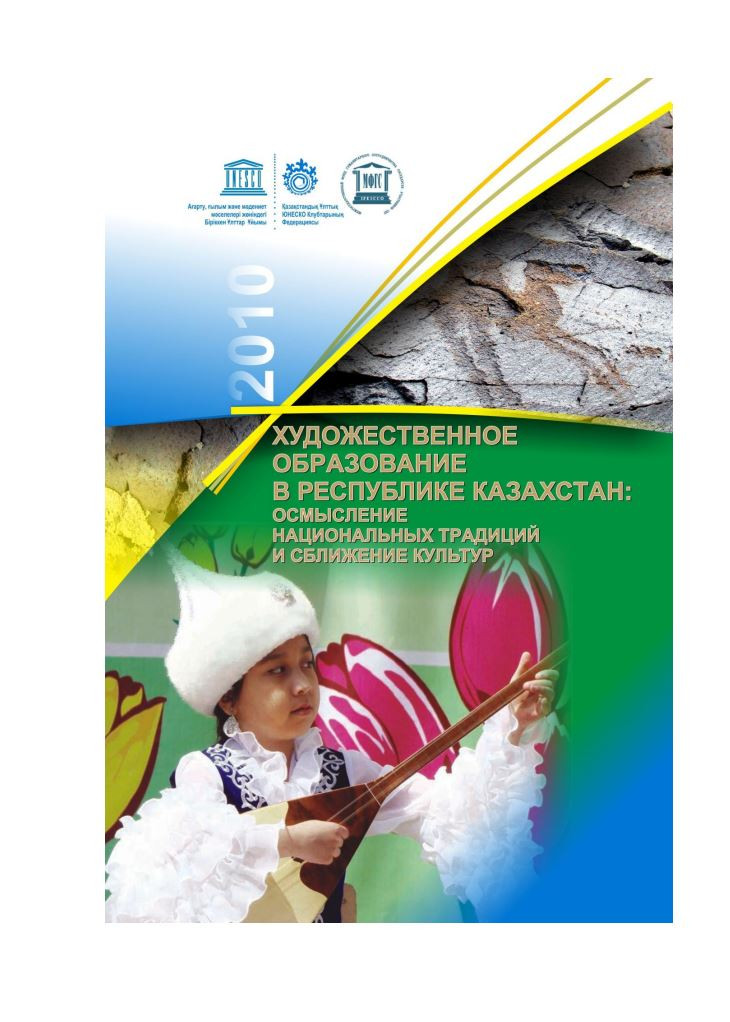 Art Education in the Republic of Kazakhstan: Perception of the National Traditions and Rapprochement of the Cultures; Research Paper 발행 연도: 2010 저자: Rustam Muzafarov Kazakhstan has the unique feature of ethno-cultural diversity that appeared historically due to multi-ethnic and multi-confessional population's development. Such an environment urges the state to facilitate the revival and development of ethnic cultures and cross-cultural interaction for the benefit of national unity. The adoption of the concept of ethno-cultural education means that the creation of national education system would enhance the idea of cultural and linguistic pluralism, combining the advanced education techniques and information facilities with traditional cultural values. In fact, the educated personality feels real belonging to the historical and cultural traditions of the country. Художественное образование в Республике Казахстан: осмысление национальных традиций и сближение культур. Аналитический доклад. 발행 연도: 2010 저자: Rustam Muzafarov Уникальность этнокультурного многообразия Казахстана обусловлена исторически сложившимся полиэтническим и многоконфессиональным составом населения. В таких условиях важно создание возможностей для возрождения и развития этнических культур, взаимодействия между ними в интересах общенационального единства. Принятие идеи этнокультурного образования означает создание национальной системы обучения и воспитания, базирующейся на идее культурного и лингвистического плюрализма, сочетающей мировой уровень технической и информационной оснащенности образования с традиционными культурными ценностями. Именно образование формирует причастность личности к исторической и культурной традиции.