
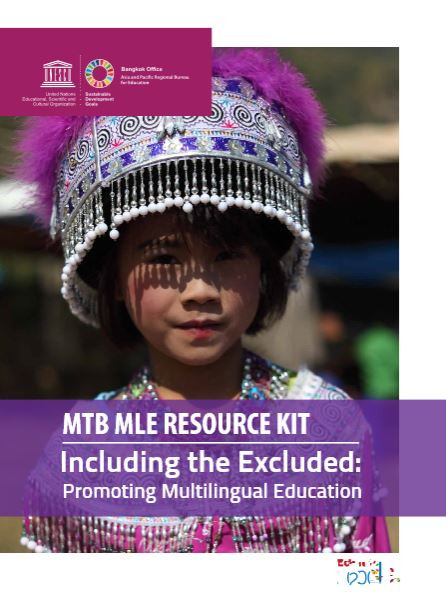
MTB MLE resource kit: Including the excluded: promoting multilingual education
- Автор
- Susan Malone
- Корпоративный автор
- UNESCO Bangkok
- ISBN
- ISBN 978-92-9223-556-7 (print); ISBN 978-92-9223-557-4 (electronic)
- Колляция
- 166 p.
- Язык ресурса
- Английский
- Год публикации
- 2016
- Тип ресурса
- Международные нормативные документы / политика и адвокационные документыИсследовательские работы / журнальные статьиУчебные программы, методические материалы и руководства
- Регион
- Азия и Тихоокеанский регион
- Место публикации
- Paris; Bangkok
Who Can Use this Resource Kit?
This MTB MLE Resource Kit is for people who are committed to the idea that all children have the right to quality education in a language they speak and understand. MTB MLE programmes that are sustained within the formal education system require contributions from all stakeholders, working together and supporting one another. The next three booklets were developed for three specific stakeholder groups: policy makers, programme implementers and community members. These three booklets, with the case studies, provide a “big picture” of successful MTB MLE programmes and suggestions for the roles each group can take as they plan, implement and maintain their programmes.
How Can You Use this Resource Kit?
Each booklet is organized around key questions about MTB MLE that are frequently asked by policy makers, implementers and community members. Responses to each question include examples of specific activities that are part of successful MTB MLE programmes in a variety of contexts. Working together, stakeholders can identify the specific activities that are best suited for their own situation and make the best use of all available resources.
Связанные ресурсы
-
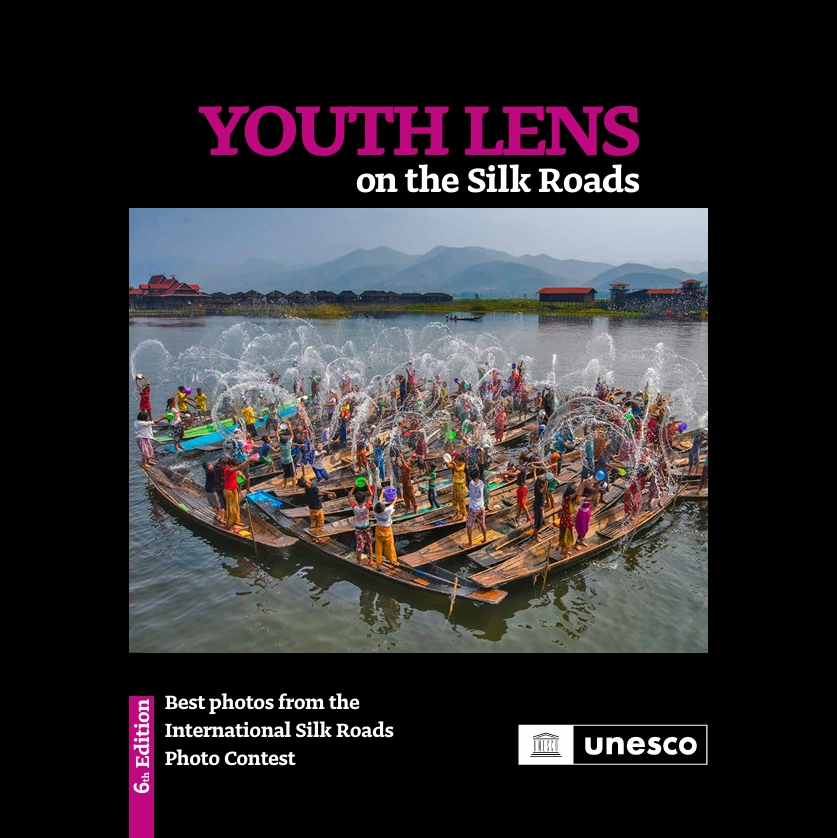 Youth Lens on the Silk Roads: Best Photos from the International Silk Roads Photo Contest; 6th Edition
 -
 UNESCO Framework for Culture and Arts Education: Implementation Guidance
 -
 The Representation of Jews, Judaism and Antisemitism in School Textbooks and Curricula in Europe
 -
 Strategies to Counter Antisemitism: A Handbook for Educators