
How Can a Lifelong Learning Perspective Enhance the Relevance and Impact of the 1974 Recommendation?: Thematic Paper
- Корпоративный автор
- UNESCO Institute for Lifelong Learning (UIL)
- Колляция
- 10 p.
- Язык ресурса
- Английский
- Год публикации
- 2022
- Тема
- Гражданственность / Гражданство / ДемократияПрава человекаГлобализация и социальная справедливость / Международное взаимопониманиеМир / Культура мираУстойчивое развитие / Устойчивость
- Тип ресурса
- Другое
- Уровень образования
- Обучение на протяжении всей жизниНеформальное образование
- Регион
- Глобальный
- Место публикации
- Paris
Lifelong learning is rooted in the integration of learning with participation in society. It includes learning activities for people of all ages, in all life-wide contexts and spaces (family, school, community, workplace and more), and through a variety of modalities (formal, non-formal and informal).
The purpose of this background paper is to propose ways in which the significance of lifelong learning can be reflected in the revision of the 1974 Recommendation concerning Education for International Understanding, Cooperation and Peace and Education relating to Human Rights and Fundamental Freedoms. It does this by recalling previous international contributions to the promotion of lifelong learning, including the landmark publications Learning to Be: The World of Education Today and Tomorrow (Faure et al., 1972) and Learning: The Treasure Within (Delors et al., 1996), which show the benefits of lifelong learning not only for employment but for the whole life of an individual and their participation in society.
Связанные ресурсы
-
 IIEP-UNESCO 12th Medium-Term Strategy: 2026–2029
 -
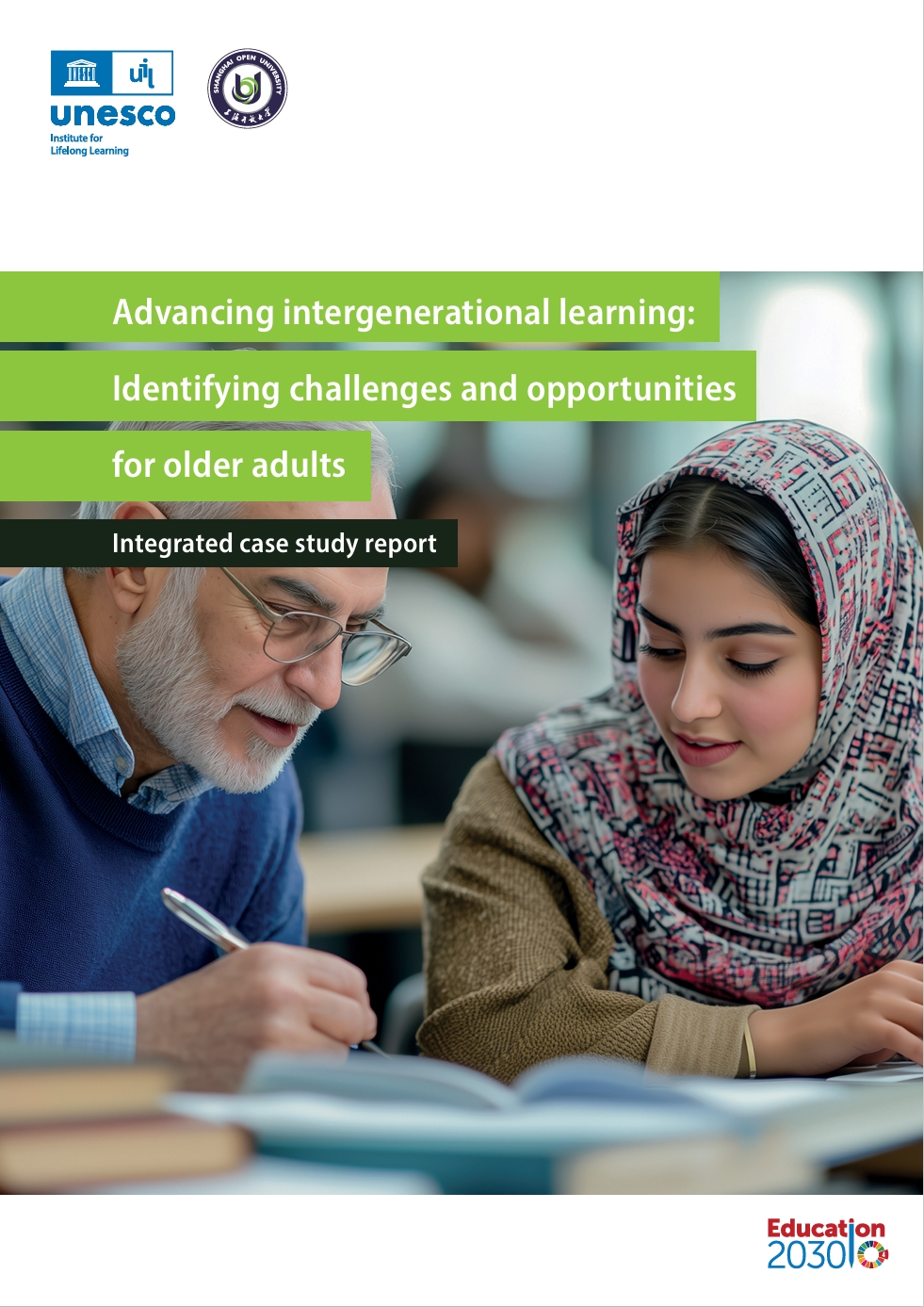 Advancing Intergenerational Learning: Identifying Challenges and Opportunities for Older Adults; Integrated Case Study Report
 -
 Digital Empowerment for Lifelong Learning and Transformative Andragogy (DELTA) for Adult Educators: Introduction to the DELTA Framework and Resources
 -
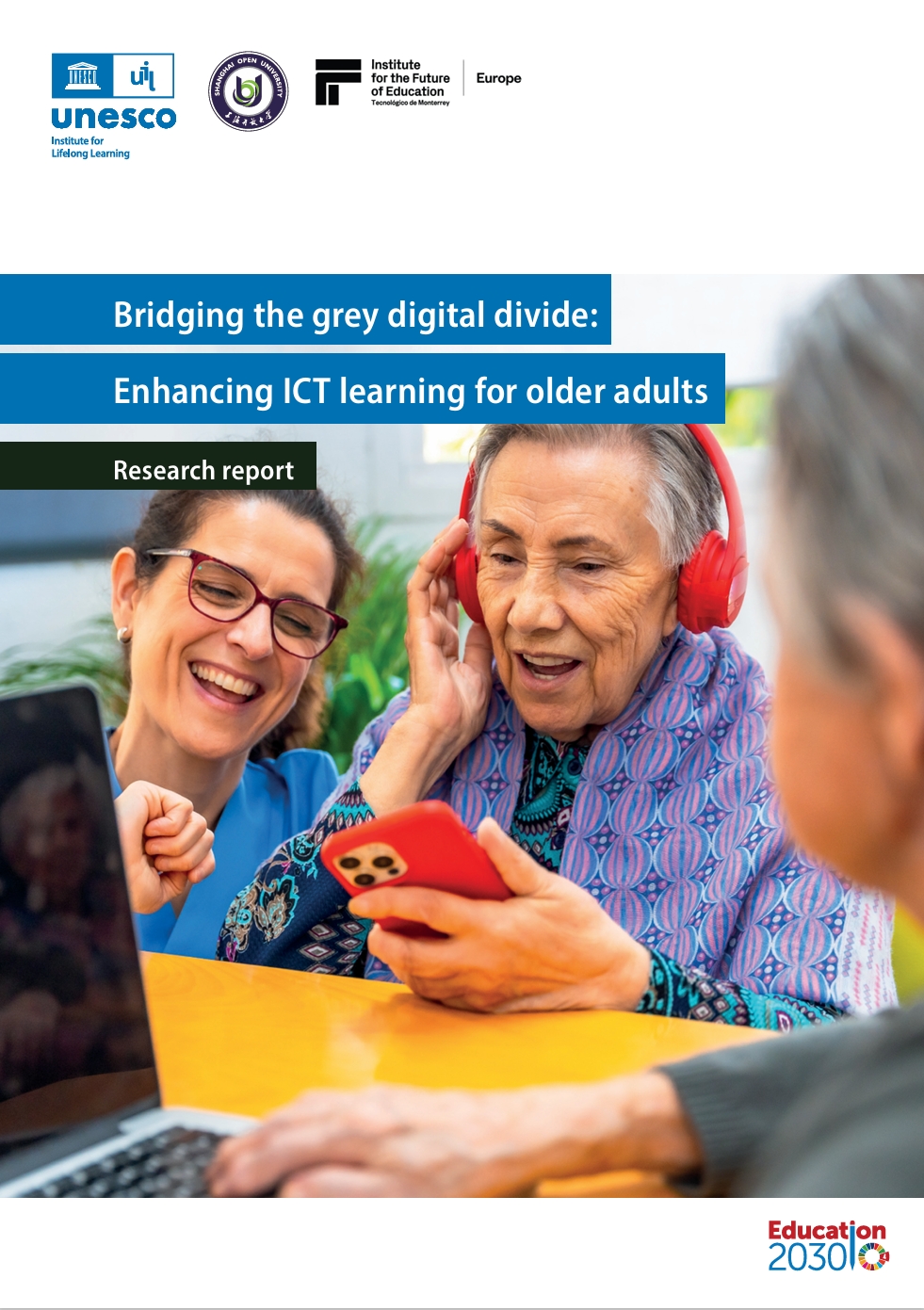 Bridging the Grey Digital Divide: Enhancing ICT Learning for Older Adults; Research Report