
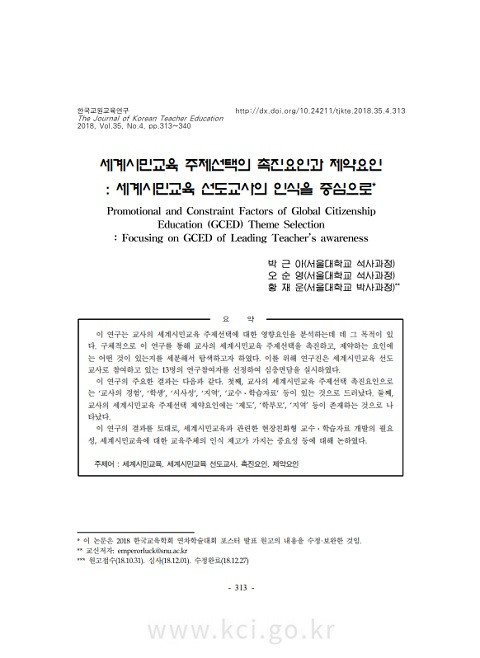
Promotional and Constraint Factors of Global Citizenship Education (GCED) Theme Selection: Focusing on GCED of Leading Teacher’s awareness (The Journal of Korean Teacher Education; Vol.35, No.4)
- Корпоративный автор
- The Korean Society for the Study of Teacher Education
- ISBN
- ISSN 1738-7256
- Колляция
- p. 313-340
- Язык ресурса
- Корейский
- Год публикации
- 2018
- Тип ресурса
- Исследовательские работы / журнальные статьи
- Уровень образования
- Начальное образованиеСреднее образование
- Регион
- Азия и Тихоокеанский регион
- Место публикации
- Seoul
The purpose of this study is to analyze the factors that affect the selection of the themes of Global Citizenship Education (GCED). Specifically, it tried to help teachers to select the themes of GCED and explored specific factors that restrict the selection. For the goal of this study, it interviewed 13 researchers who participated in GCED as leading teachers. It collected data, performed coding of extracting core phrases and analyzed the transcribed interviews. The main analysis results are as follows. First, the factors that promote teachers to choose the themes of GCED were the experience of teachers, students, social issues, areas and teaching and learning materials. Second, the factors that restrict teachers to choose the themes of GCED were institution, parents of students and areas. Based on the result of the study, it described the necessity of developing field-friendly teaching and learning materials in relation to GCED and the importance of raising awareness among the educational players on GCED.
Связанные ресурсы
-
 IIEP-UNESCO 12th Medium-Term Strategy: 2026–2029
 -
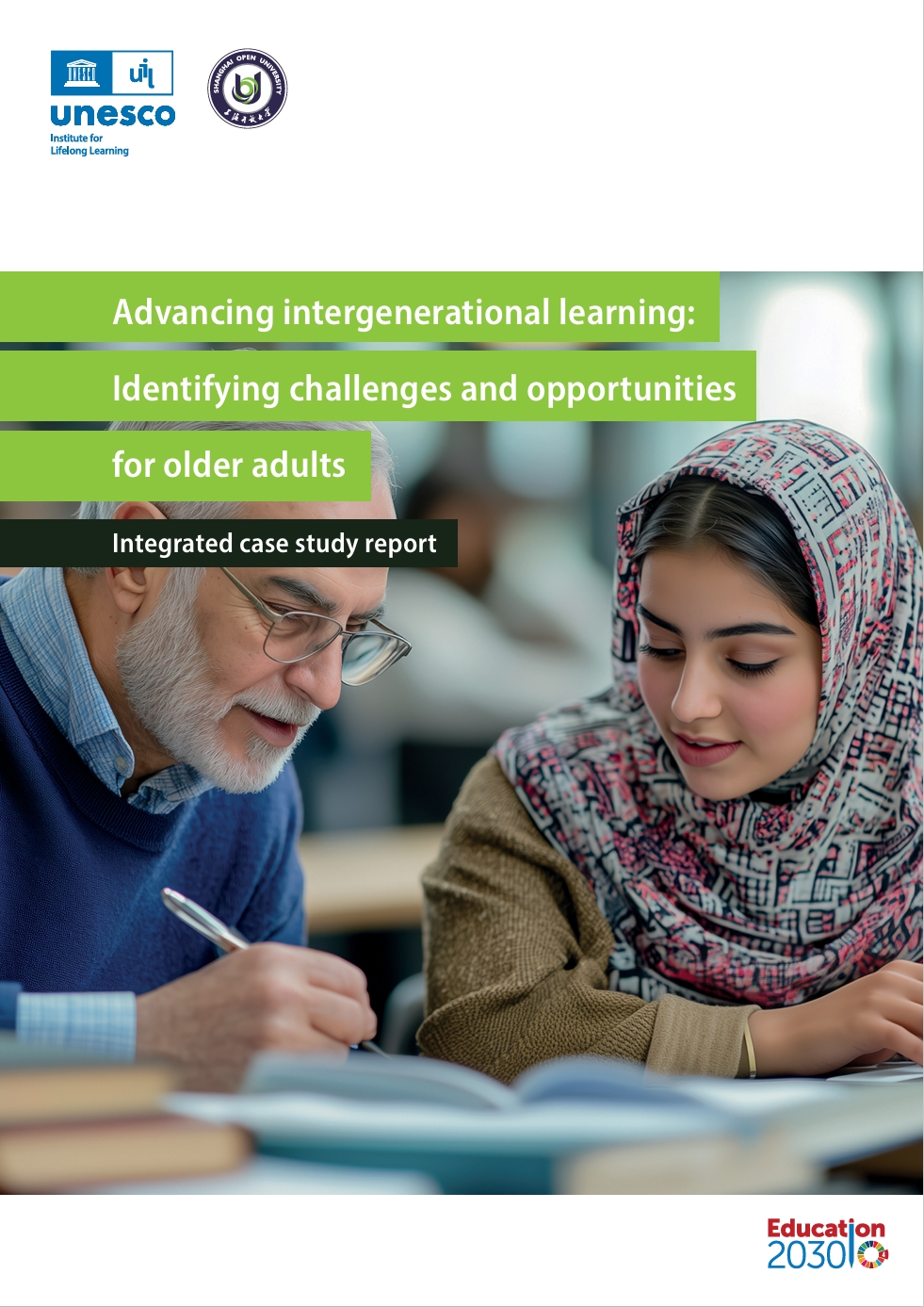 Advancing Intergenerational Learning: Identifying Challenges and Opportunities for Older Adults; Integrated Case Study Report
 -
 Digital Empowerment for Lifelong Learning and Transformative Andragogy (DELTA) for Adult Educators: Introduction to the DELTA Framework and Resources
 -
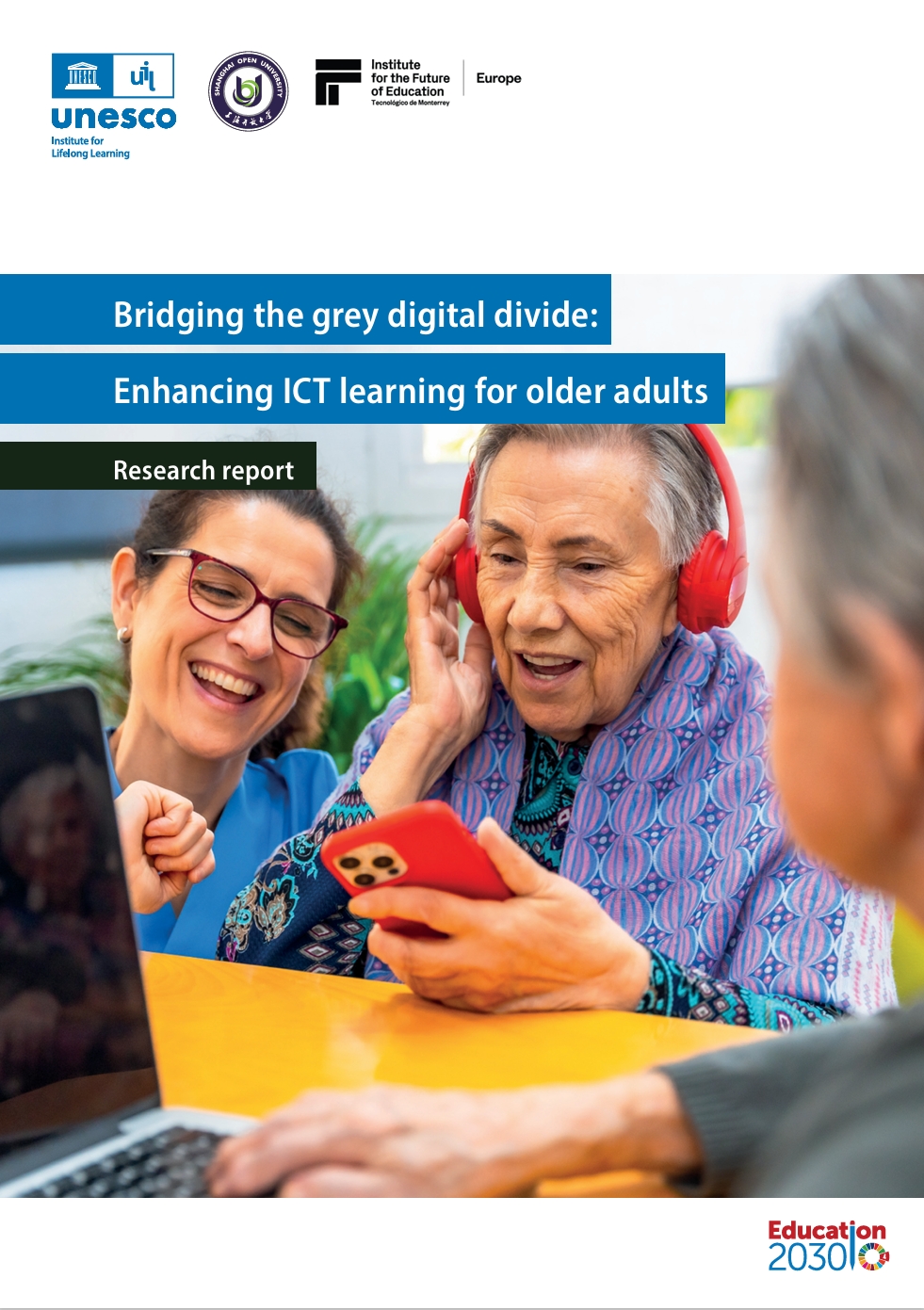 Bridging the Grey Digital Divide: Enhancing ICT Learning for Older Adults; Research Report