
Ресурсы
Изучайте широкий спектр ценных ресурсов ВГГ, чтобы углубить своё понимание и повысить эффективность исследований, просветительской деятельности, преподавания и обучения.
Найдено: 1,364
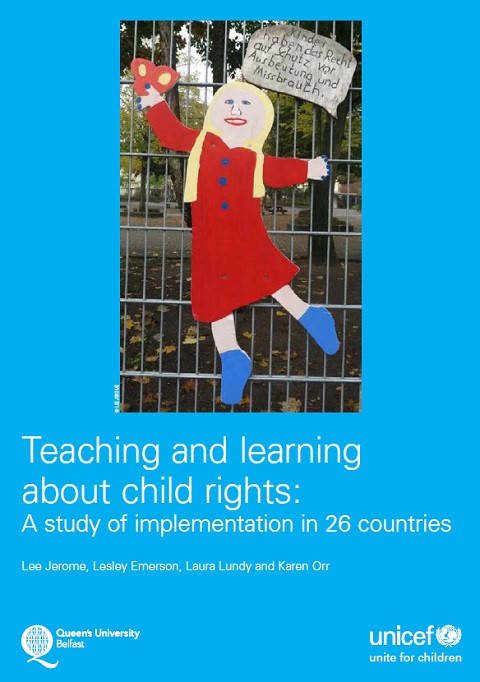 Teaching and Learning about Child Rights: A Study of Implementation in 26 Countries Год публикации: 2015 Автор: Lee Jerome | Lesley Emerson | Laura Lundy | Karen Orr Организация-автор: Queen’s University Belfast | United Nations Children's Fund (UNICEF) This research contributes to the global debate on child rights education (CRE). It explores implementation of CRE in early childhood education, primary and secondary schools in 26 countries with a UNICEF National Committee presence. It includes a literature review, results from an on-line survey completed by national experts, seven country case studies and a series of benchmarking statements for CRE implementation.
  주요 외국의 환경교육 비교 연구 Год публикации: 2018 Автор: 김찬국 | 이선경 | 김남수 | 민경석 | 황세영 | 이은주 | 김태연 | 강진영 Организация-автор: 대한민국 환경부 | 한국환경교육학회 이 연구는 유엔 지속가능발전교육 10년(UN DESD: 2005~2014)이 종료된 시점에서 국제기구와 주요 외국의 환경교육 분야에서 최근 나타나는 변화에 대한 종합적인 이해가 필요한 상황에서 시작되었다.특히 최근 환경교육 분야의 축적된 경험과 논의를 바탕으로 각국의 환경 및 교육상황에 부합하여 환경교육 법·제도 등을 정비하려는 노력이 국제 사회에서 이루어지고 있다는 점에 주목하였다. 이 조사 연구는 아시아, 유럽, 북미와 남미에 위치한 10개국(일본, 중국, 대만, 싱가포르, 호주, 영국, 독일, 미국, 캐나다, 브라질)을 대상으로 환경교육 현황을 조사하고 비교분석과 발전방향을 제시한다. 아울러 국제기구인 UNEP와 UNESCO의 환경교육 정책과 실행 방식도 함께 살펴보았다. Part I에는 주요 외국 10개국의 환경교육 상황과 UNESCO, UNEP의 환경교육 정책을 수록하였고, Part II에서는 각국의 환경교육을 비교 분석하고 있다.
  다문화시대 평생교육 관점에서의 세계·민주시민교육 과제 및 실천 방향 Год публикации: 2018 Автор: 옥일남 Организация-автор: 국가교육회의 | 서원대학교 산학협력단 본 연구는 이제까지의 국내외 민주시민교육의 정책 동향을 검토하고, 다문화사회의 특수성과 평생교육의 관점에서 새롭게 요청되는 민주시민교육의 정책 방향과 주요 과제를 제시하는데 목적이 있다. 이러한 연구 목적을 달성하기 위해 현재 우리 사회가 처해있는 세계화·다문화 맥락을 이해하고, 해외의 주요 정책 사례들을 살펴보고자 한다. 그리고 거버넌스 개념을 활용하여 민주시민교육을 세계시민교육과 연계해 세계화·다문화 시대의 시민교육을 위한 정책 방향과 실천 방안을 제시할 것이다.
 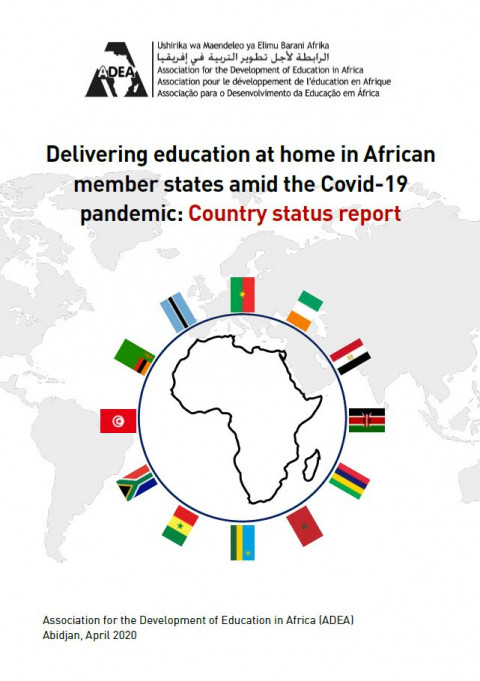 Delivering Education at Home in African Member States Amid the Covid-19 Pandemic: Country Status Report Год публикации: 2020 Организация-автор: Association for the Development of Education in Africa (ADEA) Since its emergence in late 2019, the coronavirus disease 2019 (COVID-19) has evolved into a pandemic, heavily affecting the lives of billions of people across the world with an anticipated huge impact on the global economy and Africa in particular. Education is one of the sectors heavily affected, with the closure of learning institutions in many African countries likely to negatively affect the education quality.In order to obtain a clearer view of the status of learning during this period, and to better support countries in the immediate, short and long term, ADEA engaged some of the most affected African countries in March 2020 to map the national situation in the education sector. The foregoing is a synopsis of the feedback from Burkina Faso, Côte d’Ivoire, Egypt, Ghana, Kenya, Mauritius, Morocco, Rwanda, Senegal, South Africa, Tunisia, and Zambia in terms of national strategies, platforms and tools or applications, gaps and challenges, partner engagement, good practices and lessons learnt with some recommendations.
  지능형 영유아·어린이 케어 서비스 현황과 개발 방향 Год публикации: 2019 Автор: 동지연 | 최지웅 | 한지형 | 최영석 | 정득명 Организация-автор: 정보통신기획평가원 영유아의 안전한 성장을 위한 환경 조성에 대한 사회적 요구가 커지고 있다. 본 고에서는 ICT 기술을 활용한 영유아·어린이 케어 서비스의 사회·경제적 및 기술적 필요성을 언급하고, 국내·외의 시장 동향, 기술개발 동향, 정책 동향을 간략하게 살펴본다. 멀티모달 데이터에 기반한 영유아·어린이의 의도파악 (감정 및 욕구판별, 위험인지 등) 및 개인 컨텍스트(Context) 맞춤형 인지·교감 케어 서비스의 정의, 시나리오, 핵심 서비스에 관해 소개한다.
  تعزيز رفاه الشباب عبر الصحة والتعليم: رؤى وفرص Год публикации: 2019 Автор: Wing Yi Chan | Jennifer Sloan | Anita Chandra Организация-автор: RAND Corporation أضحى الرفاه، باعتباره ركيزة أساسية في عمليات التخطيط وصناعة السياسات وتخصيص الموارد، ضرورةً لا غنى عنها لتنمية المجتمعات والدول التي تسير في درب الازدهار، مما دفعنا في هذا التقرير لدراسة المؤلفات الأكاديمية وغير الأكاديمية وثيقة الصلة بالموضوع لتحديد الأطر النظرية التي تحقق التكامل بين الصحة والتعليم داخل منظومة واحدة. Promoting Youth Well-Being Through Health and Education: Insights and Opportunities Год публикации: 2019 Автор: Wing Yi Chan | Jennifer Sloan | Anita Chandra Организация-автор: RAND Corporation Putting well-being at the heart of planning, policy making, and resource allocation is emerging as critical to the development of thriving communities and nations. We examined the academic and grey literature to identify theoretical frameworks that integrate health and education. We identified and described policies and programs supporting well-being around the world, and interviewed experts from each location to gain a deeper understanding of them.The report found that although wellbeing frameworks that integrate education and health exist, few of them have been examined rigorously to reveal how both educational and health outcomes can be achieved together.
 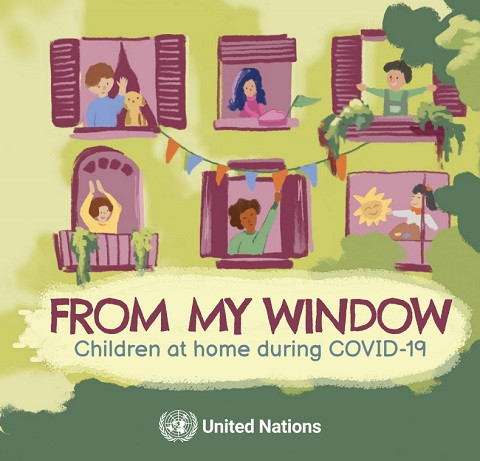 From My Window: Children at Home During COVID-19 Год публикации: 2020 Автор: Xue Bai Организация-автор: World Health Organization (WHO) | United Nations Children's Fund (UNICEF) | United Nations (UN) This book for young readers looks at the lives of housebound children during the coronavirus epidemic. Inspired by true events and people from around the world, From My Window shows children that we all have the same fears and that we can overcome them by being creative, and empathetic, and by staying positive and healthy. This book shows us that there are opportunities every day to love, learn, create, and connect, no matter the circumstances.
  اللغة لتعزيز القدرة على مواجهة الأزمات: فهم الدور الذي تؤديه اللغة في تعزيز قدرة اللاجئين السوريين والمجتمعات المستضيفة لهم على مواجهة الأزمات Год публикации: 2018 Автор: Tony Capstick | Marie Delaney Организация-автор: British Council | UN. Office of the United Nations High Commissioner for Refugees (UNHCR) يستند التقرير الى دروس مستفادة من برامج اللغة الانجليزية التي يقدمها المجلس الثقافي البريطاني، ويستخدم كمرجع في تطوير البرامج المستقبلية الخاصة بتعليم اللغات للمتأثرين بالأزمة السورية. Language for Resilience: The Role of Language in Enhancing the Resilience of Syrian Refugees and Host Communities Год публикации: 2018 Автор: Tony Capstick | Marie Delaney Организация-автор: British Council | UN. Office of the United Nations High Commissioner for Refugees (UNHCR) The Language for Resilience report examines the impact of language on refugees and host communities affected by the Syrian crisis, identifying the different ways that language skills enhance resilience and providing suggestions for programme responses that address key needs.The report shows that for children and young people attending schools or post-school education, and for educators in host communities handling influxes of refugee students, quality language learning improves attainment and attendance and builds safer and more inclusive classrooms. It also illustrates how creative approaches to language education can support the development of life skills and help meet psycho-social needs.