
Ресурсы
Изучайте широкий спектр ценных ресурсов ВГГ, чтобы углубить своё понимание и повысить эффективность исследований, просветительской деятельности, преподавания и обучения.
Найдено: 3,126
 생애주기 맞춤형 환경교육프로그램 개발방안 연구 최종 보고서 Год публикации: 2020 Автор: 장미정 | 김문옥 | 유영초 | 이다현 | 임수정 | 우영미 | 전푸름 Организация-автор: 모두를위한환경교육연구소 본 연구보고서의 목적은 생애주기에 따른 대상 맞춤형 환경교육 프로그램 개발방안을 도출하고 환경 학습 사각지대에 있는 수요자 요구 중심의 프로그램을 전략적으로 개발하기 위한 방안을 마련하고자 함이다.본 저작물은 대한민국 환경부에서 2020년 작성하여 공공누리 제 4유형으로 개방한 ‘생애주기 맞춤형 환경교육프로그램 개발방안 연구최종 보고서(장미정 외)’ 를 이용하였으며 해당 저작물은 환경교육포털 (www.keep.go.kr)에서 무료로 다운받으실 수 있습니다.
 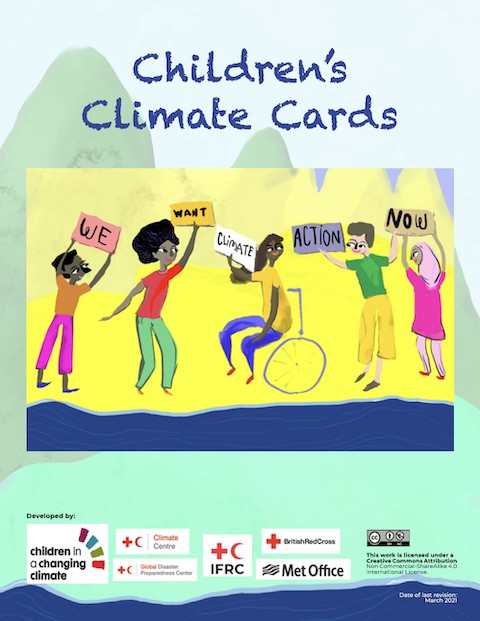 Children's Climate Cards Год публикации: 2021 Организация-автор: Plan International These children’s climate cards provide a series of inspiring and interactive activities to engage children on the climate change agenda and call for climate action.
  2020 세계시민윤리 콘텐츠: 세계시민으로 성장하는 학습 꾸러미 Год публикации: 2021 Автор: 배성호 | 임재민 | 최유정 | 정미선 | 승현아 | 홍윤빈 | 강방식 | 윤상철 | 박범철 Организация-автор: 서울특별시교육청 세계시민으로 성장하는 학습 꾸러미(2020 세계시민윤리 콘텐츠)는 초등학교, 중학교, 고등학교의 학교급 대상으로 각각 구성되어 있으며 각각 나에서 우리, 그리고 사회 및 세계로 학생들이 바라보는 영역을 확장할 수 있도록 하였으며 학생 중심의 수업에서 교사와 학생 모두가 관심을 가질 만한 내용으로 구성되었다. 학습 주제와 관련된 교과목에서 직접 수업을 운영할 수도 있지만 창체나 자유학년제 프로그램 혹은 학년말의 전환기 프로그램에서도 사용할 수 있고 관련 동아리 수업에서도 활용이 가능하도록 하였다.
  How to Improve the Availability of Pre-School and Primary Education in Kazakhstan? Год публикации: 2019 Автор: Meruert Seidumanova Организация-автор: Central Asian Bureau for Analytical Reporting (CABAR) | Institute for War and Peace Reporting (IWPR) «Equal access for all social groups to quality pre-school and primary education is the key to sustainable development, both for the individual and society as a whole», – notes Meruert Seidumanova, independent researcher from Kazakhstan, in her special article for CABAR.asia.
 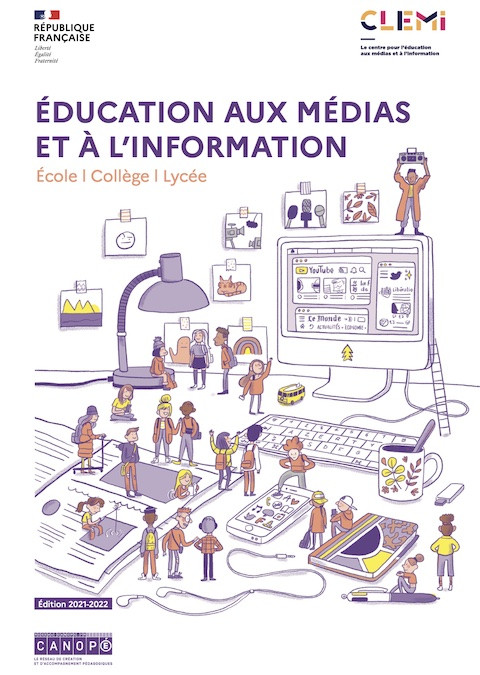 Éducation aux médias et à l’information (Édition 2021-2022) Год публикации: 2021 Организация-автор: Centre pour l’éducation aux médias et à l’information (CLEMI) | Réseau Canopé Cette édition 2021-2022 s'est enrichie de nouvelles fiches pédagogiques, pour le 1er comme pour le 2nd degré. Vous y trouverez notamment :Les informations pratiques (socle commun, textes réglementaires...) et les dispositifs du CLEMI (Semaine de la presse et des médias dans l'école, Concours Médiatiks, #ZéroCliché, Classe investigation...), afin de présenter les enjeux de l'Éducation aux médias et à l'information et les moyens proposés par le CLEMI pour la mettre en œuvre.Le focus Déclic' Critique, qui présente des exemples d'ateliers proposés en classe par le CLEMI et explique comment utiliser ces séquences pour développer l'esprit critique des élèves.Une partie est consacrée aux médias scolaires, à la fois pour encourager cette pratique mais aussi mieux la valoriser.Dans la partie 1er degré, vous trouverez deux nouvelles fiches pédagogiques organisées en séquence sur le dessin de presse et la liberté d'expression. Et toujours les ressources nécessaires pour découvrir la presse, vérifier les images sur internet ou encore analyser un journal télévisé.La partie 2nd degré va s'intéresser elle aussi à la liberté d'expression et son expérimentation en classe, ainsi qu'à la question du complotisme, mais aussi à l'évaluation des discours scientifiques sur YouTube, aux biais cognitifs, ou encore la représentation des datas en photo et vidéo.
 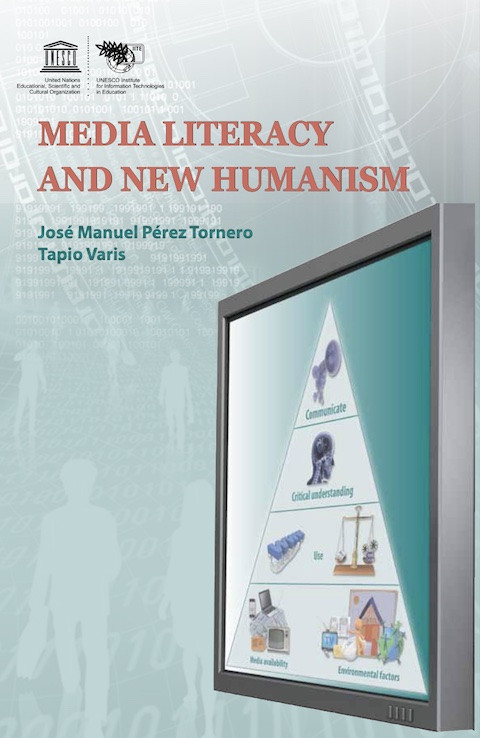 Media Literacy and New Humanism Год публикации: 2010 Автор: José Manuel Pérez Tornero | Tapio Varis Организация-автор: UNESCO Institute for Information Technologies in Education (IITE) The authors consider the opportunities that media literacy opens in the world of global education and communication in the context of new humanism.Being applied to education, the concept of new humanism, a new UNESCO credo, suggests the creation of a more inclusive society in which all humans have a chance to access knowledge and quality education and every word being heard in the universal dialogue. In the authors’ opinion, the new humanism in the global society must prioritize a new sense of respect for multiplicity and cultural diversity and must support media development with the goal of consolidating the new culture of peace.The book is aimed at educators, researchers, policy-makers, the media and civil society.
  AI in Education: Change at the Speed of Learning Год публикации: 2020 Автор: Steven Duggan Организация-автор: UNESCO Institute for Information Technologies in Education (IITE) The policy brief “AI in Education: Change at the Speed of Learning” published by the UNESCO Institute for Information Technologies in Education (UNESCO IITE) opens a new series of publications “Digital Transformation of Education”. The new publication describes the advancements in technology, including data, analytics and personalized learning, Artificial Intelligence (AI), cloud computing and machine learning, and explores the promises of AI for students, teachers, school leaders, parents and education administrators. The publication also highlights the ethical aspects of AI implementation and challenges that it might bring. Искусственный интеллект в образовании: Изменение темпов обучения Год публикации: 2020 Автор: Steven Duggan Организация-автор: UNESCO Institute for Information Technologies in Education (IITE) Аналитическая записка «Искусственный интеллект в образовании: Изменение темпов обучения», опубликованная Институтом ЮНЕСКО по информационным технологиям в образовании (ИИТО ЮНЕСКО), открывает издание новой серии публикаций «Цифровая трансформация образования». В новой публикации представлены достижения в области технологий, включая данные, аналитику и персонализированное обучение, искусственный интеллект (ИИ), облачные вычисления и машинное обучение, а также рассматриваются многообещающие возможности ИИ для учащихся, педагогов, родителей, руководителей учебных заведений и администраторов системы образования. В публикации также обозначены этические аспекты и вызовы, связанные с применением ИИ.
  포스트휴먼 시대의 기후위기 대응 교육: 사례와 실천 방안 Год публикации: 2021 Автор: 엄수정 | 우라미 | 황순예 Организация-автор: 경기도교육연구원 본 연구는 포스트휴먼시대의 기후위기 대응 교육의 모습을 구체화하는데 목적이 있다. 본 연구에서는 포스트휴먼 생태주의를 이론적 기틀로 삼아 기후위기 대응을 위한 학교 교육 사례를 분석하고, 이를 토대로 실천 방안을 탐색하였다.본 저작물은 경기도교육연구원에서 2021년 작성하여 공공누리 제 4유형으로 개방한 ‘포스트휴먼 시대의 기후위기 대응 교육: 사례와 실천 방안 (엄수정, 우라미, 황순예)’ 를 이용하였으며 해당 저작물은 경기도교육연구원 (www.gie.re.kr)에서 무료로 다운받으실 수 있습니다.
 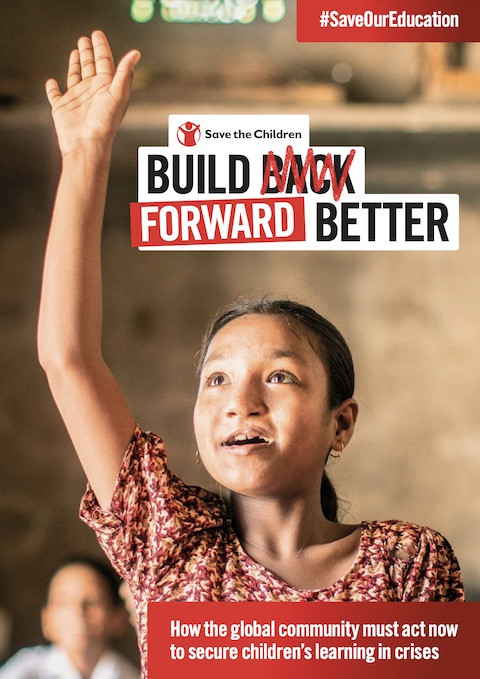 Build Forward Better: How the Global Community Must Act Now to Secure Children’s Learning in Crises Год публикации: 2021 Автор: Emma Wagner Организация-автор: Save the Children ‘Build back better’ has long been a rallying cry of crisis responses – and is being used frequently today. However, given the scale of the global learning crisis even before the Covid-19 pandemic – with one child in six denied their right to education – it’s vital we don’t limit our ambition to building ‘back’ to how things were. Now it’s imperative we build forward better – and differently.There’s no denying the scale of the challenge. But there’s also cause for hope. The global reach of the Covid-19 crisis has generated a shared understanding of the impact of crisis on children’s right to education. This understanding can be used to build forward better – and radically transform children’s chances.Build Forward Better presents new analysis on which countries’ school systems are most vulnerable to existing risks and future crises. And it sets out what the global community needs to do to support ministries of education in those countries to prepare now. So that, even during emergencies, education systems can provide all children with good-quality, safe and inclusive opportunities to learn.