
Ресурсы
Изучайте широкий спектр ценных ресурсов ВГГ, чтобы углубить своё понимание и повысить эффективность исследований, просветительской деятельности, преподавания и обучения.
Найдено: 1,180
 成人学习与教育全球报告(五): 公民教育; 增强成人的变革能力 Год публикации: 2023 Организация-автор: UNESCO Institute for Lifelong Learning (UIL) 本报告的宗旨有两个 。首先是为了执行《贝伦行动框架》授予教科文组织的任 务,明确记录第六届国际成人教育大会参 与国为“定期收集和分析按性别与其他因素分类的有关……成人教育方案的数据和信息,以评估不同时期的变化并分享好的 做法”(UIL, 2010,第9页)所做的投入。 因此,本报告第一部分根据《贝伦行动框 架》确定的五个关键指标跟踪和分析在成人学习与教育方面取得的进展:政策、治 理、筹资、参与和质量。在报告第二部分中提及的第二个宗旨,是为全球和积极公民 意识以及成人学习与教育在追求这些公民 意识方面的作用提供详细的主题讨论和 分析。除了监测该领域的全球进展并深入探 讨成人学习者的公民教育的主题外,本报 告还为2022年6月在摩洛哥举行的第七 届国际成人教育大会开展进一步讨论奠定 了基础。《全球报告(五)》的最终目标是提 高主要利益相关方对成人学习与教育的认 识,并确保政策制定者对此给予更多关注 。 该报告提供了关于创新实践和良好做法的 案例,并为国际进展的评估工作提供了证 据基础。它还有助于了解成人学习与教育 对实现可持续发展目标 4的整体贡献,并 理解其具有的远远不局限于任何一个具体 目标的广泛效益的潜力 。尽管本报告概述了取得的成就和进 展,但成人学习与教育在教育政策中经常 面临“不受青睐”和资金不足的问题。《全 球报告(四)》要求政策制定者将成人学习 与教育置于实现可持续经济和社会所作的 努力的中心,并认识到其在开发综合全面 的解决方案方面起到的关键作用。该报告 则更进一步表明,建立将人类和地球置于 发展核心的公民意识是何其必要。
  [Executive Summary] 5th Global Report on Adult Learning and Education: Citizenship Education; Empowering Adults for Change Год публикации: 2022 Организация-автор: UNESCO Institute for Lifelong Learning (UIL) Lifelong learning is not only a right; it is also a crucial asset in facing social and economic uncertainty and environmental and digital disruption. It is a culture that must be developed to ensure social cohesion, equal opportunities, gender equality and the economic vitality of societies.The Global Reports on Adult Learning and Education (GRALE) play a key role in meeting UNESCO's commitment to monitor and report on countries' implementation of the Belem Framework for Action. In this Framework, countries agreed to improve ALE across five areas of action: policy; governance; financing; participation, inclusion and equity; and quality. This report contributes to these goals by providing international reference data to support and inform public policies. [Résumé exécutif] 5e rapport mondial sur l’apprentissage et l'éducation des adultes: Éducation à la citoyenneté; Donner aux adultes les moyens du changement Год публикации: 2022 Организация-автор: UNESCO Institute for Lifelong Learning (UIL) L'apprentissage tout au long de la vie n'est pas seulement un droit; c'est aussi un atout crucial pour faire face à l'incertitude sociale et économique et aux bouleversements environnementaux et numériques. C'est une culture qui doit être développée pour assurer la cohésion sociale, l'égalité des chances, l'égalité des genres et la vitalité économique des sociétés. Les Rapports mondiaux sur l'apprentissage et l'éducation des adultes (GRALE) jouent un rôle clé dans le respect de l'engagement de l'UNESCO de suivre et de rendre compte de la mise en œuvre par les pays du Cadre d'action de Belém. Dans ce cadre, les pays ont convenu d'améliorer l'AEA dans cinq domaines d'action : politique ; gouvernance; financement; participation, inclusion et équité; et qualité. Ce rapport contribue à ces objectifs en fournissant des données de référence internationales pour soutenir et éclairer les politiques publiques. [Resumen ejecutivo] 5° informe mundial sobre el aprendizaje y la educación de adultos: Educación para la ciudadanía; Empoderar a los adultos para el cambio Год публикации: 2022 Организация-автор: UNESCO Institute for Lifelong Learning (UIL) El aprendizaje permanente no es solo un derecho; también es un activo crucial para enfrentar la incertidumbre social y económica y la disrupción ambiental y digital. Es una cultura que debe desarrollarse para asegurar la cohesión social, la igualdad de oportunidades, la igualdad de género y la vitalidad económica de las sociedades. Los Informes mundiales sobre el aprendizaje y la educación de adultos (GRALE) desempeñan un papel clave en el cumplimiento del compromiso de la UNESCO de monitorear e informar sobre la implementación del Marco de Acción de Belem en los países. En este Marco, los países acordaron mejorar el AEA en cinco áreas de acción: política; gobernancia; financiación; participación, inclusión y equidad; y calidad. Este informe contribuye a estos objetivos al proporcionar datos de referencia internacional para apoyar e informar las políticas públicas. [ملخص تنفيذي] التقرير العالمي الخامس حول تعلم وتعليم الكبار: تعليم المواطنة؛ تمكين الكبار من أجل التغيير Год публикации: 2022 Организация-автор: UNESCO Institute for Lifelong Learning (UIL) Lifelong learning is not only a right; it is also a crucial asset in facing social and economic uncertainty and environmental and digital disruption. It is a culture that must be developed to ensure social cohesion, equal opportunities, gender equality and the economic vitality of societies.The Global Reports on Adult Learning and Education (GRALE) play a key role in meeting UNESCO's commitment to monitor and report on countries' implementation of the Belem Framework for Action. In this Framework, countries agreed to improve ALE across five areas of action: policy; governance; financing; participation, inclusion and equity; and quality. This report contributes to these goals by providing international reference data to support and inform public policies. [요약본] 제5차 세계 성인학습∙교육 보고서: 시민성 교육; 변화를 위한 성인 역량 강화 Год публикации: 2022 Организация-автор: UNESCO Institute for Lifelong Learning (UIL) 2009년에 처음 나온 세계 성인학습・교육 보고서(Global Report on Adult Learning and Education, GRALE)는 공공 정책을 지원하고 이에 필요한 정보를 포함한 국제 참고 데이터를 제공한다. 본 보고서는 회원국들이 유네스코에 협조를 요청했던 성인학습・교육에 관한 벨렘 실행계획 (Belém Framework for Action, BFA)이 지난 10년간 실제로 추진되었음을 보여준다. 본 문서는 2022년에 발간된 제5차 성인학습・교육 보고서(GRALE 5)의 요약본이다.
 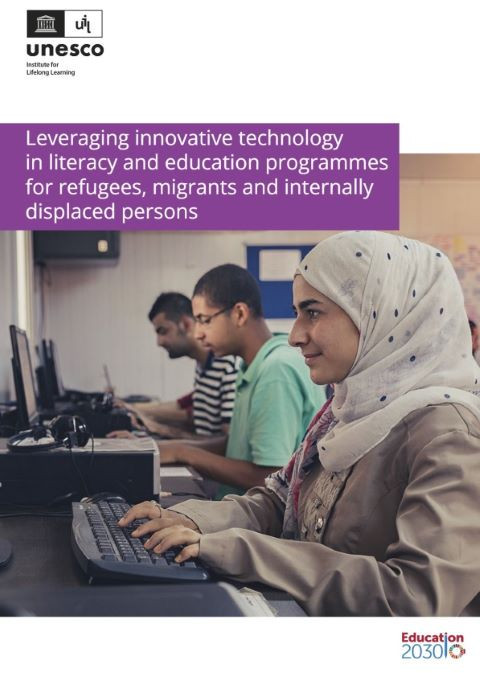 Leveraging Innovative Technology in Literacy and Education Programmes for Refugees, Migrants and Internally Displaced Persons Год публикации: 2022 Организация-автор: UNESCO Institute for Lifelong Learning (UIL) The publication Leveraging innovative technology in literacy and education programmes for refugees, migrants and internally displaced persons brings together a selection of 21 case studies showcasing how ICTs can be integrated both innovatively and effectively into literacy and education programmes for refugees, migrants and IDPs. The case studies in this compilation demonstrate the potential of technology to support learners’ acquisition of literacy skills through arts-based learning, integrated literacy programmes, entrepreneurship training or in combination with tertiary education opportunities. They highlight the multitude of stakeholders that have come together across sectors to shape innovative responses that can make a real difference to learners’ lives. At the same time, the compilation shows the various modalities through which technology can be harnessed to deliver effective literacy and educational opportunities in diverse and challenging environments while recognizing and remaining sensitive to the needs of learners, be they refugees, IDPs or migrants.
 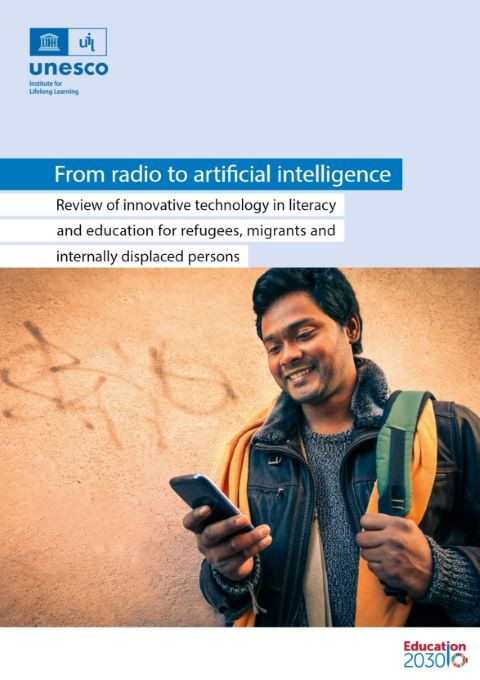 From Radio to Artificial Intelligence: Review of Innovative Technology in Literacy and Education for Refugees, Migrants and Internally Displaced Persons Год публикации: 2022 Организация-автор: UNESCO Institute for Lifelong Learning (UIL) The publication From radio to artificial intelligence: Review of innovative technology in literacy and education for refugees, migrants and internally displaced persons presents a review of relevant literature and an analysis of 25 programmes from across the world that have used innovative ICTs in literacy and education for refugees, migrants and IDPs. It identifies a lack of data on the state of literacy for youth and adults globally, and limited literature on the effectiveness of ICTs in supporting literacy and education programmes for refugees, migrants and IDPs. The 25 analysed programmes reveal that ICTs play an important role in overcoming barriers to learning for these target groups, however. The strategies followed by these innovative ICT-supported programmes are elaborated across six thematic areas: (1) access and inclusion, (2) capacity-building of teachers and educators, (3) relevant content and innovative andragogy, (4) monitoring and evaluation, (5) strategic partnerships and (6) recognition, validation and accreditation of learning. De la radio à l’intelligence artificielle: Examen des technologies innovantes en matière d’alphabétisation et d’éducation pour les réfugiés, les migrants et et les personnes déplacées à l’intérieur de leur propre pays Год публикации: 2022 Организация-автор: UNESCO Institute for Lifelong Learning (UIL) La publication De la radio à l'intelligence artificielle : Examen des technologies innovantes en matière d'alphabétisation et d'éducation pour les réfugiés, les migrants et les personnes déplacées à l'intérieur de leur propre pays présente une revue de la littérature pertinente et une analyse de 25 programmes du monde entier qui ont utilisé les TIC innovantes pour l'alphabétisation et l'éducation des réfugiés, migrants et personnes déplacées. Il identifie un manque de données sur l'état de l'alphabétisation des jeunes et des adultes dans le monde, et une littérature limitée sur l'efficacité des TIC à soutenir les programmes d'alphabétisation et d'éducation pour les réfugiés, les migrants et les personnes déplacées. Les 25 programmes analysés révèlent cependant que les TIC jouent un rôle important pour surmonter les obstacles à l'apprentissage pour ces groupes cibles. Les stratégies suivies par ces programmes innovants soutenus par les TIC sont élaborées à travers six domaines thématiques : (1) accès et inclusion, (2) renforcement des capacités des enseignants et des éducateurs, (3) contenu pertinent et andragogie innovante, (4) suivi et évaluation , (5) partenariats stratégiques et (6) reconnaissance, validation et accréditation des apprentissages. من الراديو إلى الذكاء الاصطناعي مراجعة التكنولوجيا المبتكرة في محو الأمية والتعليم للاجئين والمهاجرين والنازحين داخليًا Год публикации: 2022 Организация-автор: UNESCO Institute for Lifelong Learning (UIL) تعتبر الحركة العالمية للأشخاص، سواء داخل الحدود الوطنية أو عبر لون لأسباب عديدة، فمنهم ّا. الناس يتنقًا راسخًالحدود الدولية، حدثمن يخشى الاضطهاد أو الحرب أو الكوارث، ومنهم من يبحث عن فرص حياة أفضل. في العقد الأخير، ارتفع عدد اللاجئين والنازحين داخليا والمهاجرين بشكل كبير بسبب الصراعات والكوارث الطبيعية رت مفوضية الأمم المتحدة السامية ّوالاصطناعية والعولمة. وقد مليون شخص قد نزحوا 82.4ّأن (UNHCRلشؤون اللاجئين )ون ّ، ومنهم النازحون واللاجئون الفلسطيني2020 في نهاية عام ًقسرا عن خمس ّون، والذين سيبقى معظمهم في المنفى لمدة لا تقلّوالفنزويلي سنوات )المفوضية السامية للأمم المتحدة لشؤون اللاجئين، 10إلى د للاجئين والنازحين من ّ(. في هذا النزوح المطول، لا ب2021الوصول إلى فرص محو الأمية والتعليم الشاملة وعالية الجودة، فهذا لون أكثر من ثلثي ّة للشباب والبالغين الذين يشكّأمر بالغ الأهمية، بخاصهذه المجموعة. على عكس البيانات الخاصة بالأطفال في سن المدرسة، تندر البيانات حول محو الأمية والاحتياجات والخبرات التعليمية للشباب والبالغين ل خبرات ما يناهز ّا. تتشكًمن اللاجئين والمهاجرين والنازحين داخلي( ، بحسب 2019ا )المنظمة الدولية للهجرة، ً مليون مهاجر272المنظار الذي يراهم فيه بلد المقصد سواء كانوا من الأشخاص الذين عتبرون من ذوي المهارات ُا - أي أنه قد يًانتقلوا طواعية أو قسرالعالية أو ذوي المهارات المنخفضة، أو حاملي الأوراق الثبوتية أو فاقديها، أو قيمة مضافة للاقتصاد أو عبء على المجتمع المضيف. ا ًا حيويًية بلغة بلد المقصد وفرص التعليم المستمر أمرّ محو الأمّعدُويال المهاجرين وتمكينهم من المشاركة في مجتمعاتهم ّلمنع استغلال العمكمواطنين فاعلين.( اللاجئين يمكن أن تساعد تكنولوجيا المعلومات والاتصالات )ICTب على التحديات ّا على التغلًوالمهاجرين والمتعلمين النازحين داخليا ما يواجهونها، مثل تلك المتعلقة بإمكانية الحصول على ًالتي غالبف مع ّة للتكيّالتعليم واللغة. فيمكنهم العثور على موارد التعلم المعدمون في وقتهم الخاص ّحاجات الفرد واستخدامها بلغتهم وبذلك يتعلى ولو كان النفاذ إلى تكنولوجيا ّوبحسب وتيرتهم. في الواقع، حت تحسين تصميم برامج محو ّا، فإنًالمعلومات والاتصالات محدودقة الاتصال أو معدومة ّة للعمل في سياقات ضيّالأمية والبرامج التعليميم إلى الأماكن النائية. في الوقت نفسه، ّبالإنترنت يمكن أن يصل التعلّ إدراك حدود تكنولوجيا المعلومات والاتصالات وفهمها، لأنّمن المهمتصميمها واستخدامها يكمن في سياقات تكنولوجية واجتماعية وثقافية ا عند ًدون داخليّوسياسية مختلفة يواجهها اللاجئون والمهاجرون والمشرالانتقال من مكان إلى آخر. استجابة لهذه المشاكل، بدأ معهد اليونسكو للتعلم مدى الحياة ، بدعم ،(SIDAمالي من الوكالة السويدية للتعاون الإنمائي الدولي )م ّباستعراض الأدبيات والممارسات الخاصة بالتقنيات المبتكرة لتعلالقراءة والكتابة والتعليم للشباب واللاجئين الكبار والمهاجرين ث عن ّات التي تتحدّا. ويجمع هذا الاستعراض الأدبيًوالنازحين داخلييات التي تواجهها تلك الفئات الضعيفة وعن احتياجاتها. كما يراجع ّالتحد تنفيذها ّا لمحو الأمية والتعليم تمًا مختارً برنامج25ة قيام ّالاستعراض كيفيفي أصقاع العالم المختلفة، بوضع تكنولوجيا المعلومات والاتصالات ة. ّموضع التنفيذ لمساعدة هذه المجموعات في مساعيها التعليميتؤكد الرؤى المستمدة من البرامج على قيمة استخدام مجموعة واسعة ات ّ إلى التقنيًا من الراديو وصولاًات، بدءّمن التقنيات والتكنولوجيمة، مثل الذكاء الاصطناعي، لتحسين محو الأمية والتعليم ّالرقمية المتقدات ضمن ّ استخدام هذه التقنيّه لهذه الفئات الضعيفة. وقد تمّالموجمين ّيات تزويد المتعلّتركيبات مبتكرة لتمكين البرامج من مواجهة تحدمين بإمكانية الوصول إلى تكنولوجيا المعلومات والاتصالات ّوالمعل التعليم ّا أنًظهر الاستعراض أيضُم. كما يّال للتعلّواستخدامها الفعد المنصف والشامل والفرص مدى الحياة للاجئين والمهاجرين ّالجيا تتحقق بشكل أفضل عندما يعمل أصحاب المصلحة ًوالنازحين داخليا لتلبية احتياجات هؤلاء المتعلمين المستهدفين.ًمعنعتقد أن هذا التقرير فريد من نوعه في محاولته لمعالجة التجارب المتنوعة للسكان الشباب والبالغين من اللاجئين والمهاجرين والنازحين البحث بشأنهم بما يكفي، وفي كيفية مراجعته ِداخليا، الذين لم يجرللفرص والتحديات المتعلقة بالوصول إلى برامج محو الأمية المدعومة بالتكنولوجيا والمشاركة فيها وفي البرامج التعليمية. م الذي يحدث في السياق ّل النموذجي للتعلّا لأننا نشارك في التحوًنظرونساهم به، فإننا ندعوكم لقراءة هذا التقرير -19الحالي لأزمة كوفيدمين كافة.ّ للمتعلًل التعليمي أكثر شمولاّوالتفكير في كيفية جعل هذا التحوديفيد أتشواريناالمديرمعهد اليونسكو للتعلم مدى الحياة