
Ресурсы
Изучайте широкий спектр ценных ресурсов ВГГ, чтобы углубить своё понимание и повысить эффективность исследований, просветительской деятельности, преподавания и обучения.
Найдено: 3,385
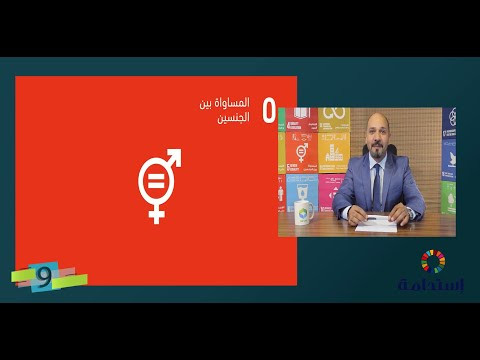 Sustainability: Gender Equality Год публикации: 2019 Организация-автор: CSR Egypt This video deals with the concept of the fifth goal of the sustainable development goals (gender equality) and that women have a fundamental role to achieve the goals of sustainable development, and that is why they must be given the opportunity and support to obtain all their rights and effective participation in the advancement of Arab societies. الاستدامة: المساواة بين الجنسين Год публикации: 2019 Организация-автор: CSR Egypt الفيديو يتطرق لمفهوم الهدف الخامس من اهداف التنمية المستدامة (المساواة بين الجنسين) و ان المرأة لها دور اساسى لتحقيق اهداف التنمية المستدامة و لذلك يجب ان يتم اتاحة الفرصة لها و دعمها للحصول على كافة حقوقها و مشاركتها الفعاله للنهوض بالمجتمعات العربية.
  Putting Gender at the Forefront of the COVID-19 Education Response: Common Messaging Framework Год публикации: 2020 Организация-автор: United Nations Girls' Education Initiative (UNGEI) Nationwide school closures as part of measures to prevent the spread of COVID-19 have disrupted the education of an entire generation of children and youth. Previous health emergencies demonstrate that girls are disproportionately affected, with the effects of gender inequality and unequal power structures exacerbated in times of crisis. This Common Messaging Framework, developed with UNGEI partner and ally organisations, can be used as an advocacy tool to leverage the power of collective action to position gender at the forefront of the COVID-19 response and enhance coherence in advocacy and communications efforts. Mettre le genre au premier plan de la réponse éducative au COVID-19: Cadre de messagerie commun Год публикации: 2020 Организация-автор: United Nations Girls' Education Initiative (UNGEI) Les fermetures d’écoles à l’échelle nationale dans le cadre des mesures visant à prévenir la propagation du COVID-19 ont perturbé l’éducation de toute une génération d’enfants et de jeunes. Les urgences sanitaires antérieures démontrent que les filles sont touchées de manière disproportionnée, les effets de l’inégalité entre les sexes et des structures de pouvoir inégales étant exacerbés en temps de crise.En tant que partenariat mondial dédié à la promotion de l’égalité des sexes dans et à travers l’éducation, nous devons tirer parti de la puissance de l’action collective pour placer le genre au premier plan de la réponse COVID-19 et renforcer la cohérence dans le plaidoyer et la communication entre les organisations partenaires et alliées.Cette initiative de messagerie commune représente une opportunité stratégique pour favoriser le dialogue et attirer l’attention sur les impacts sexospécifiques de COVID-19, plaider en faveur de stratégies pour répondre aux dimensions sexospécifiques de cette crise et envisager la réouverture en toute sécurité des écoles à travers une perspective sexospécifique. Poniendo el género en primer plano de la respuesta educativa ante el COVID-19: Marco común de la mensajería Год публикации: 2020 Организация-автор: United Nations Girls' Education Initiative (UNGEI) El cierre de las escuelas a nivel nacional como parte de las medidas para prevenir el contagio del COVID-19 ha interrumpido la educación de toda una generación de niños, niñas y jóvenes. Las emergencias de salud anteriores han demostrado que las niñas se ven afectadas de manera desproporcionada con los efectos de la desigualdad de género y estructuras de poder desiguales exacerbadas en tiempos de crisis.Como asociación mundial dedicada a avanzar la igualdad de género en y a través de la educación, debemos ejercer el poder de la acción colectiva para posicionar al género en primer plano en la respuesta ante el COVID-19 y aumentar la coherencia en la defensa, promoción y comunicación entre las organizaciones socias y aliadas.Esta iniciativa común de mensajería representa una oportunidad estratégica para promover el diálogo y llamar la atención sobre los impactos de género del COVID-19, abogar por estrategias que respondan a las dimensiones de género de esta crisis y ver hacia una futura reapertura de las escuelas a través de una lente de género.
  Gender Inequality in Education and its Impact on Economic Growth in Algeria: An Applied Study for the Period (1980-2014) Год публикации: 2017 Автор: Latifa Al-Sabti | Taleb Warrad Организация-автор: University of Jordan Most of the developing countries suffer from gender inequality in education, health, employment opportunities, wages and opportunities of representation and political empowerment. It was found that this inequality - according to the findings of most previous studies on this topic- had a negative effect on economic growth. As economic growth is one of the important macroeconomic goals, this has induced the researcher to investigate the relationship between them in Algeria. This study aimed mainly at investigating the impact of gender inequality in education on the economic growth in Algeria, using annual data covering the period from 1980 to 2014, in order to achieve this objective, an econometric model has been designed based on the economic theories and the published researches, using data obtained from the World Bank's (WB) and UNESCO websites. The Results of the econometric analysis showed the existence of significant positive relationship between gender inequality in secondary education and economic growth in Algeria (which means that there is a gender equality in secondary education enrollment according to the definition of Gender Parity Index), and the existence of a negative significant relationship between gender inequality in primary education and economic growth in Algeria (which means that there is a gender inequality in primary education enrollment according to the definition of Gender Parity Index), also showed the presence of a positive significant relationship between each of the trade openness, physical capital and economic growth, and the presence of a negative significant relationship between labor supply and economic growth in Algeria. The study recommended the need of Algeria to work on the elimination of the causes of gender inequality in education, or at least minimizing them as much as possible because of their negative impact on economic growth, and supporting the educational system through the construction of new schools in rural and urban areas, the paving of roads to facilitate access of pupils safely to schools, equipping schools with the required means to complete the educational process as it should be, to spread awareness through various media of the importance of female education, to enact legislations that obligate the education of females, to encourage the demand for females in the labor market as an attempt to raise their rate of enrollment to education as a major determinant for getting a good job. عدم المساواة في التعليم بين الجنسين وأثرها على النمو الاقتصادي في الجزائر: دراسة تطبيقية للفترة (1980-2014) Год публикации: 2017 Автор: Latifa Al-Sabti | Taleb Warrad Организация-автор: University of Jordan تعاني أغلب الدول النامية من عدم المساواة بين الجنسين في التعليم، الصحة، فرص التشغيل، الأجور وفرص التمثيل والتمكين السياسي وغيرها، حيث وُجد أن هذه الأخيرة - حسب ما توصلت إليه أغلب الدراسات السابقة في هذا الموضوع-لها تأثير سلبي على النمو الاقتصادي، والذي يعد من الأهداف الاقتصادية المهمة على المستوى الكلي، ما دفع بالباحث إلى دراسة العلاقة بينهما في الجزائر.هدفت الدراسة بشكل أساسي إلى اختبار أثر عدم المساواة في التعليم بين الجنسين على النمو الاقتصادي في الجزائر، باستخدام بيانات سنوية تغطي الفترة من 1980 إلى 2014، ولتحقيق ذلك تم تصميم نموذج قياسي يستند إلى النظريات الاقتصادية والدراسات العلمية المنشورة ومن ثم تطبيقه على الجزائر، كما تم استخدام اختبارات التحليل القياسي المناسبة، أما البيانات فتم الحصول عليها من موقع البنك الدولي (WB) وموقع منظمة اليونسكو.بينت نتائج التحليل القياسي وجود علاقة إيجابية طردية ذات دلالة إحصائية بين متغير عدم المساواة بين الجنسين في التعليم الثانوي والنمو الاقتصادي في الجزائر (ما يعني أن هناك مساواة بين الذكور والإناث في الالتحاق بالتعليم الثانوي)، ووجود علاقة عكسية ذات دلالة إحصائية بين متغير عدم المساواة بين الجنسين في التعليم الابتدائي والنمو الاقتصادي في الجزائر (ما يعني أنه ليس هناك مساواة بين الذكور والإناث في الالتحاق بالتعليم الابتدائي)، كما بينت وجود علاقة طردية إيجابية ذات دلالة إحصائية بين كل من الانفتاح التجاري، رأس المال وعكسية بين عرض العمل وبين النمو الاقتصادي في الجزائر.أوصت الدراسة بضرورة العمل على القضاء على مسببات عدم المساواة في التعليم بين الجنسين في الجزائر أو على الأقل التقليل منها قدر الإمكان لما لها من أثر سلبي على النمو الاقتصادي، وذلك عن طريق دعم المنظومة التعليمية من بناء مدارس جديدة بالمناطق الريفية والنائية، تعبيد الطرقات لتسهيل وصول التلاميذ بأمان إلى المدارس، تجهيز المدارس بالوسائل اللازمة لإتمام العملية التعليمية على أكمل وجه، نشر الوعي عبر وسائل الإعلام المختلفة بأهمية تعليم الإناث، سن تشريعات بإجبارية تعليم الإناث، تشجيع الطلب على الإناث في سوق العمل كمحاولة لرفع معدل إقبالهن على التعليم باعتباره محددا أساسيا للحصول على وظيفة جيدة.
  Educational Contexts, Feminism and Gender identities of Adolescents from a Rural Mayan Town in Yucatan (Iberoamerican Journal of Education; vol. 89, no. 1) Год публикации: 2022 Автор: Silvia Montejo Murillo Организация-автор: Organization of Ibero-American States for Education, Science and Culture (OEI) The purpose of this article is to compare and explore the gender identity of adolescent women from a rural Mayan locality, from two of their educational contexts: the telesecundaria school and daily life in the community. Interviews and participant observation were used to obtain qualitative primary data. Among the main findings, it stands out that the institutional structure and rigidity of the school limits adolescents from being able to act at certain times from social attributes different from those offered by their locality. Likewise, the school contributed to the individualization of the participants and trained them to have foreign values as a desirable representation of “development”, aspects that do not necessarily contribute to the idea of “community”. Contextos educativos, educación e identidades de género de adolescentes de una localidad rural maya en Yucatán (Revista Ibero-americana de Educação; vol. 89, núm. 1) Год публикации: 2022 Автор: Silvia Montejo Murillo Организация-автор: Organización de Estados Iberoamericanos para la Educación, la Ciencia y la Cultura (OEI) El propósito de este artículo es comparar y explorar la identidad de género de mujeres adolescentes de una localidad rural maya, desde dos de sus contextos educativos: la escuela telesecundaria y la vida cotidiana en la comunidad. Se utilizaron entrevistas y observación participante para obtener los datos primarios cualitativos. Entre los principales hallazgos se destaca, que la estructura y rigidez institucional de la escuela, limita a las adolescentes poder actuar en ciertos momentos desde atributos sociales distintos a los que les ofrece su localidad. Asimismo, la escuela contribuyó a la individualización de las participantes y las formó para tener como representación deseable del “desarrollo” los valores del exterior, aspectos que no contribuyen necesariamente a la idea de “comunidad”.
 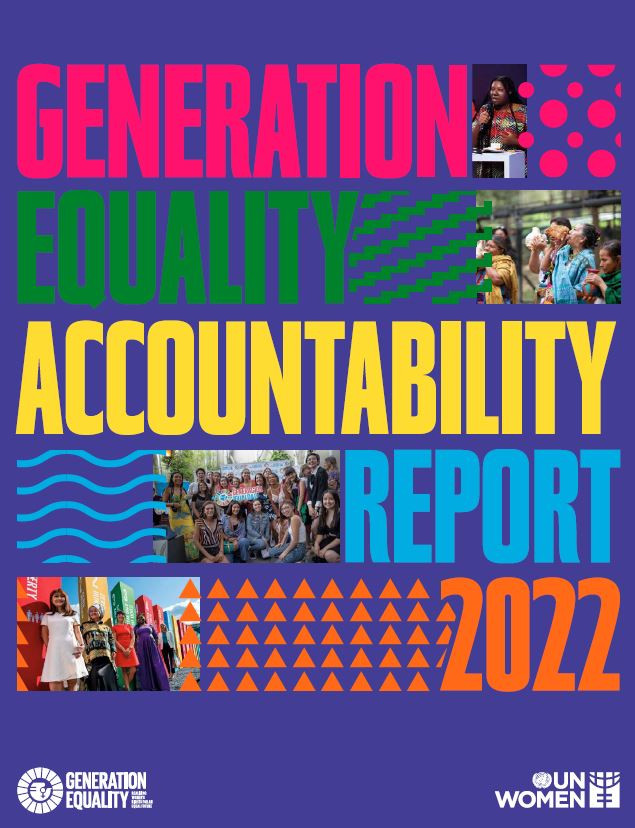 Generation Equality Accountability Report 2022 Год публикации: 2022 Организация-автор: United Nations Entity for Gender Equality and the Empowerment of Women (UN Women) In the UN Decade for Action on Gender Equality, people around the world have pledged to move from rhetoric to action and to work together to drive lasting change, starting now. Through the 2021 Generation Equality Forum in Mexico and France, world leaders and partners committed to eliminating gender inequalities and to financing and implementing laws, policies, and programmes to meet priority actions and targets in a Global Acceleration Plan for Gender Equality. The aim is simple but profound: deliver irreversible, quantifiable results for women and girls in all their diversity.Together, commitment makers and signatories of a series of Action Coalitions, along with the Compact for Women, Peace and Security and Humanitarian Action have begun to build an ambitious global movement. It unites diverse partners committed to collective accountability for women and girls. This accountability is the driving force of this report, which takes stock of the bold commitments made at the Forum one year into implementation. Through a survey of commitment-makers, the report sheds light on the nature of the commitments and assesses measurable progress. It highlights trends and notes where more work is needed.Generation Equality was born from the idea that the world could make catalytic progress on gender equality if a wide range of stakeholders united around a transformative vision and worked together to achieve it. These preliminary findings demonstrate that, while more remains to be done, collective action is powerful in making commitments real in the lives of women and girls.