
Ресурсы
Изучайте широкий спектр ценных ресурсов ВГГ, чтобы углубить своё понимание и повысить эффективность исследований, просветительской деятельности, преподавания и обучения.
Найдено: 1,477
 2020 세계시민윤리 콘텐츠: 세계시민으로 성장하는 학습 꾸러미 Год публикации: 2021 Автор: 배성호 | 임재민 | 최유정 | 정미선 | 승현아 | 홍윤빈 | 강방식 | 윤상철 | 박범철 Организация-автор: 서울특별시교육청 세계시민으로 성장하는 학습 꾸러미(2020 세계시민윤리 콘텐츠)는 초등학교, 중학교, 고등학교의 학교급 대상으로 각각 구성되어 있으며 각각 나에서 우리, 그리고 사회 및 세계로 학생들이 바라보는 영역을 확장할 수 있도록 하였으며 학생 중심의 수업에서 교사와 학생 모두가 관심을 가질 만한 내용으로 구성되었다. 학습 주제와 관련된 교과목에서 직접 수업을 운영할 수도 있지만 창체나 자유학년제 프로그램 혹은 학년말의 전환기 프로그램에서도 사용할 수 있고 관련 동아리 수업에서도 활용이 가능하도록 하였다.
  Policy Brief: Talking Across Generations on Education; #TAGe Bujumbura: Youth, Social and Emotional Education and the Prevention of Violent Extremism Год публикации: 2020 Организация-автор: Mahatma Gandhi Institute of Education for Peace and Sustainable Development (MGIEP) With the aim to mainstream the voices of Burundi youth and include them in the policymaking process in the areas of education for peace, sustainable development and global citizenship, UNESCO MGIEP, YELI-Burundi (Youth Empowerment and Leadership Initiative Burundi) and the Government of Burundi organised a series of high-level #TAGeBujumbura dialogues. These were an integral part of the Annual Prevention of Violent Extremism (PVE) Youth Blast, which was organised by YELI-Burundi on September 16-17, 2019 in Bujumbura, Burundi. H.E Everlyne Butoyi, Minister of Youth, IT and Posts, inaugurated the event. The theme of the main TAGe plenary was The Place of the Youth and Social and Emotional Learning for the Prevention of Violent Extremism – within the broader context of United Nations Security Council Resolution 2250.This unique UNESCO MGIEP TAGe modality for actionable dialogue comprised the following components – month-long online discussions, live TAGe and actionable outputs. The preceding online discussion had over 1,000 participants, and witnessed rich discussion threads being compressed into insightful, actionable ideas. Subsequently, based on the online engagement and the on-ground work done, six representatives were chosen from these participants to represent the collective voices of the youth. They were joined by three distinguished senior decision-makers (from the Government of Burundi and civil society) in a live TAGe exchange, where they delved into issues and unearthed creative solutions in front of an audience of over 200.
 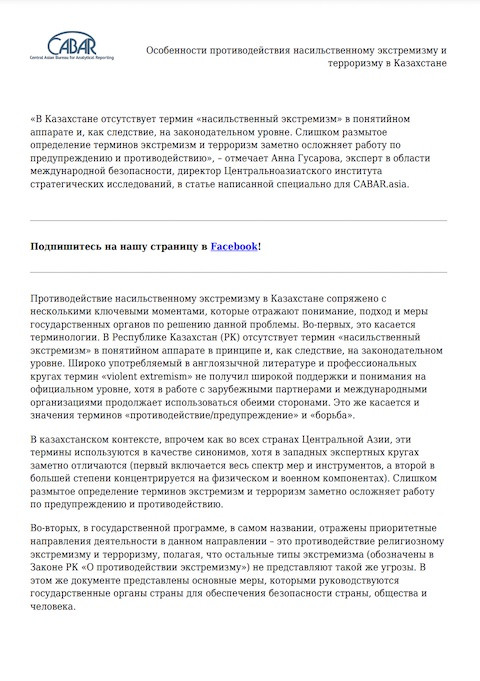 Features of Countering Violent Extremism and Terrorism in Kazakhstan Год публикации: 2019 Автор: Anna Gusarova Организация-автор: Central Asian Bureau for Analytical Reporting (CABAR) | Institute for War and Peace Reporting (IWPR) «In Kazakhstan there is no term as “violent extremism” in the conceptual construct, and as a result at the legislative level. Too vague definition of the terms extremism and terrorism significantly complicates the work on prevention and counteraction», – said Anna Gusarova, an expert in international security, director of the Central Asian Institute for Strategic Studies, in her article written specifically for CABAR.asia. Особенности противодействия насильственному экстремизму и терроризму в Казахстане Год публикации: 2019 Автор: Anna Gusarova Организация-автор: Central Asian Bureau for Analytical Reporting (CABAR) | Institute for War and Peace Reporting (IWPR) «В Казахстане отсутствует термин «насильственный экстремизм» в понятийном аппарате и, как следствие, на законодательном уровне. Слишком размытое определение терминов экстремизм и терроризм заметно осложняет работу по предупреждению и противодействию», – отмечает Анна Гусарова, эксперт в области международной безопасности, директор Центральноазиатского института стратегических исследований, в статье написанной специально для CABAR.asia.
 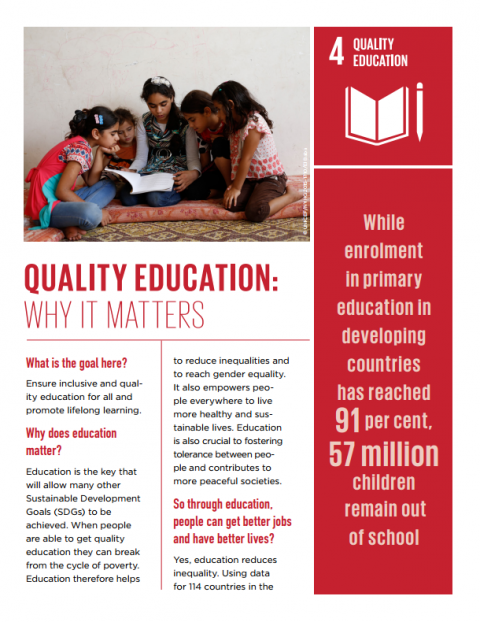 Quality Education: Why It Matters Организация-автор: United Nations Children's Fund (UNICEF) Education is the key that will allow many other Sustainable Development Goals (SDGs) to be achieved. When people are able to get quality education they can break from the cycle of poverty. Education therefore helps to reduce inequalities and to reach gender equality. It also empowers people everywhere to live more healthy and sustainable lives. Education is also crucial to fostering tolerance between people and contributes to more peaceful societies.
 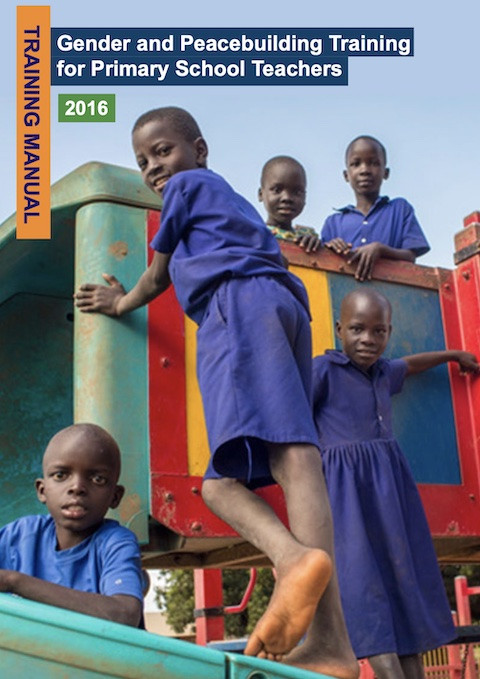 Gender and Peacebuilding Training for Primary School Teachers: Training Manual Год публикации: 2016 Организация-автор: United Nations Children's Fund (UNICEF) The Gender and Peacebuilding training material is intended to be used for teachers teaching in primary or secondary school. It is shaped by a participatory approach. This is because the discussion of gender and conflict issues requires participants to sit back and reflect on their diverse experiences and knowledge. The training encourages the participants to learn from one another by sharing their thoughts, discussing their views and concerns, analysing situations and, most importantly, questioning attitudes and behaviours.
 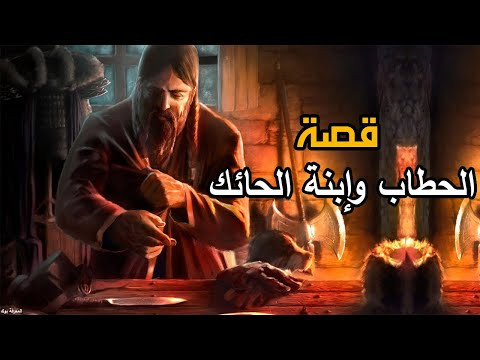 قصة الحطاب وإبنة الحائك Год публикации: 2021 Организация-автор: Alma3rifabook الفيديو عبارة عن قصة هادفة تتمثل في بعض القيم العربية والأخلاق النبيلة. يروى في قديم الزمان، وسالف العصر والاوان أنه كان هناك حطاب شاب يدعى ناصر متزوج حديثاً ويعيش مع زوجته على مشارف قرية ريفية هادئة. وكان ويخرج للعمل كل صباح لتقطيع الحطب وجمعه من الغابة المجاورة ولا يعود للبيت إلا بعد انتصاف النهار. وفي عصر أحد الايام خرج مع زوجته للسوق وهناك قابلا فتاةً شابة اسمها سلوى تبيع السجاد الذي تم حياكته يدويا. The Story of the Woodcutter and the Weaver's Daughter Год публикации: 2021 Организация-автор: Alma3rifabook The video is a purposeful story represented in some Arab values and noble morals. It is said, in the old days, that there was a young woodcutter named Nasir who was newly married and lived with his wife on the outskirts of a quiet rural village. He would go out to work every morning to cut wood and gather it from the nearby forest, and would not return home until after midday. One afternoon, he went out with his wife to the market, and there they met a young girl named Salwa who was selling hand-woven rugs.
 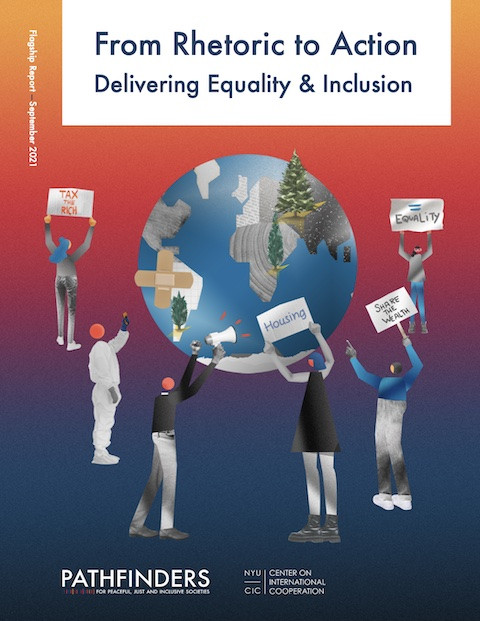 From Rhetoric to Action: Delivering Equality & Inclusion Год публикации: 2021 Автор: Faiza Shaheen | Alexander Bossakov | Avner Cohen | Amanda Lenhardt | Nendirmwa Noel | Paula Sevilla Núñez | Paul von Chamier Организация-автор: Pathfinders for Peaceful, Just and Inclusive Societies, NYU. Center on International Cooperation This flagship report of the Pathfinders Grand Challenge on Inequality and Exclusion is about the solutions that will deliver equality and inclusion.The report constructs a bridge between the rhetoric of “build back better” and action: a bridge between promise and progress. It underlines the need for renewed social contracts between citizens, civil society, the private sector, and governments, as well as between high and low- and middle-income countries. These social contracts must be built to serve future generations, to guard against climate breakdown and pandemics while delivering respect, opportunity, and justice for all.This report should serve as a practical handbook for policymakers and influencers; as a source of possibility for the public; and, as a call to all political leaders to act.
 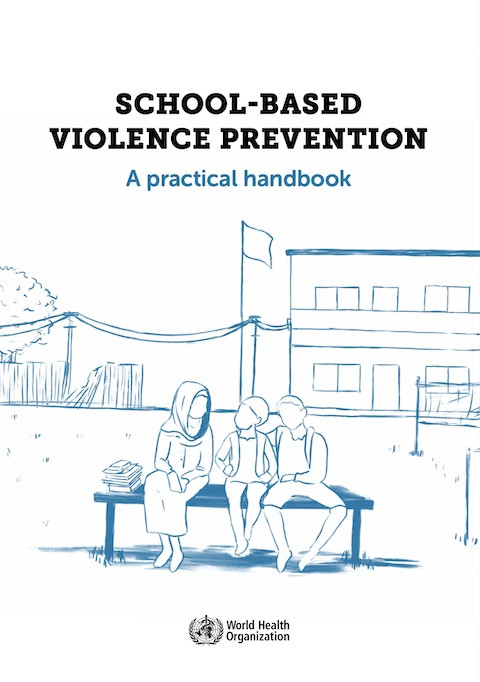 School-Based Violence Prevention: A Practical Handbook Год публикации: 2019 Организация-автор: World Health Organization (WHO) School-based violence prevention: a practical handbook is a World Health Organization (WHO) resource for school officials and educators to help prevent violence in and around schools. The handbook gives advice on how schools can embed violence prevention within their routine activities and across the points of interaction schools provide with children, parents and other community members.