
Ресурсы
Изучайте широкий спектр ценных ресурсов ВГГ, чтобы углубить своё понимание и повысить эффективность исследований, просветительской деятельности, преподавания и обучения.
Найдено: 684
 Guidelines for Teachers: How to Spot and Fight Disinformation Год публикации: 2021 Организация-автор: European Commission This toolkit is designed to introduce young people to the phenomenon of disinformation – conveying an understanding of the threats it poses, explaining how pupils can find out more and protect themselves from it, and providing an opportunity to look in more depth at particular examples. The toolkit is open and free to use for any educational establishment. Although it can be adjusted and tailored for any age group, the main target group is teenagers from 15 to 18 years old.
  Chouette, pas chouette: Livret pédagogique; Activités d’éducation aux médias et à l'information sur le thème de l’égalité filles-garçons Год публикации: 2021 Организация-автор: Centre pour l’éducation aux médias et à l’information (CLEMI) Chouette, pas chouette ! une série de 16 programmes courts animés pour sensibiliser les 4-6 ans aux stéréotypes sexistes avec intelligence et humour a été réalisée avec l’appui de l’expertise pédagogique du CLEMI. C’est aussi un univers peuplé de personnages attachants, décliné en un livret pédagogique pour permettre aux professeurs des écoles de développer leurs actions en éducation aux médias et à l'information sur le thème de l’égalité filles/garçons, de la maternelle à la 6e.
  미디어 리터러시 교육을 통한 디지털 시민교육 강화 방안 Год публикации: 2020 Автор: 이미영 | 김양은 | 송여주 | 양철진 | 임재일 Организация-автор: 경기도교육연구원 본 연구는 일부 교사만 마주했던 학생들의 인터넷 중독과 사이버 폭력 등을 모든 교사가 경험하게 되면서 초·중·고등학생들이 디지털 공간에서도 건강한 시민의식을 지니도록 교육해야 한다는 새로운 과제가 제기되는 시점에서 연구되었다. 따라서 미디어 리터러시 교육을 통한 디지털 시민교육 강화방안을 모색하기 위해서 교사들의 인식을 살펴보고 강화방안을 도출하는데 이 연구의 목적이 있다.
  민주시민육성을 위한 미디어 리터러시 교육 방안 연구 Год публикации: 2019 Автор: 김현진 | 김현영 | 김은영 | 최미애 Организация-автор: 한국교육학술정보원 본 연구는 먼저, 국내외 민주시민 교육 및 미디어 리터러시 교육관련 사례 및 연구보고, 정책현황분석에 근거하여 민주시민육성을 위한 미디어 리터러시 교육 시사점을 도출하였다. 다음으로 2015 개정교육과정 내용체계 및 성취기준에 근거하여 민주시민육성을 위한 미디어 리터러시 교육이 정규 교과에 통합될 수 있도록 ‘학습주제사전’과 ‘교육과정 연계 성취기준’을 개발하였다. 마지막으로 국내외 사례 및 연구보고 현황 분석, 현장교사 및 전문가 협의회에 근거하여 민주시민육성을 위한 미디어 리터러시 교육의 정규교과 통합 활성화 방안 및 정책 제언을 도출하였다. 본 저작물은 한국교육학술정보원에서 2019년 작성하여 공공누리 제 1유형으로 개방한 ‘민주시민육성을 위한 미디어 리터러시 교육 방안 연구(김현진 외)’을 이용하였으며 해당 저작물은 한국교육학술정보원(www.keris.or.kr)에서 무료로 다운받으실 수 있습니다.
  어린이집 · 유치원 교사가 알아야 할 디지털 시민성과 교육 Год публикации: 2019 Автор: 김양은 | 최숙 | 박상호 | 장준영 | 박정원 Организация-автор: 방송통신위원회 | 한국정보화진흥원 본 자료는 어린이집, 유치원 교사가 아이들과 함께 디지털시민역량을 키워나가도록 개념, 해외사례, 교육자료 등을 소개하는 가이드북이다.
 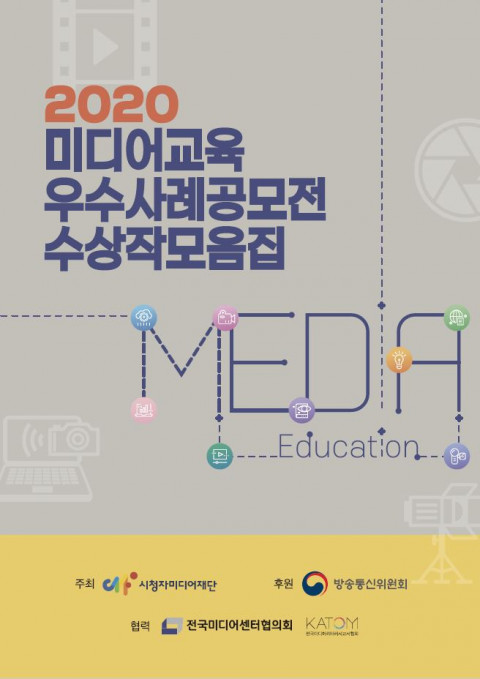 2020 미디어교육 우수사례 공모전 수상작 모음집 Год публикации: 2021 Организация-автор: 시청자미디어재단 「2020 미디어 교육 우수사례 공모전」은 전국 미디어교육의 다양한 사례 발굴 및 격려를 통해 미디어교육에 대한 인식을 제고하고, 건강한 미디어 문화를 확산하기 위해 마련한 행사입니다. 지난해 12월 4일 본선심사를 통해 선발된 최종 10개의 수상작을 첨부로 공유드리니, 학교 및 사회미디어교육의 다양한 사례 분석에 참고하시기 바랍니다.※ 수상작 모음집은 분량 관계상 공모전 제출서류 및 발표자료 일부를 발췌하여 제작하였으며, 해당 내용과 사진은 시청자미디어재단의 동의없이 무단으로 사용할 수 없음을 알려드립니다.
  코로나19를 이겨내는 미디어 리터러시 백신 10가지 Год публикации: 2020 Организация-автор: 전국미디어리터러시교사협회 본 영상은 코로나19의 확산으로 그 어느 때보다 미디어 속 정보에 관심을 기울이기 되는 시기에 왜곡된 정보에 흔들리지 않도록 10가지 미디어 리터러시 방안을 소개한다.
 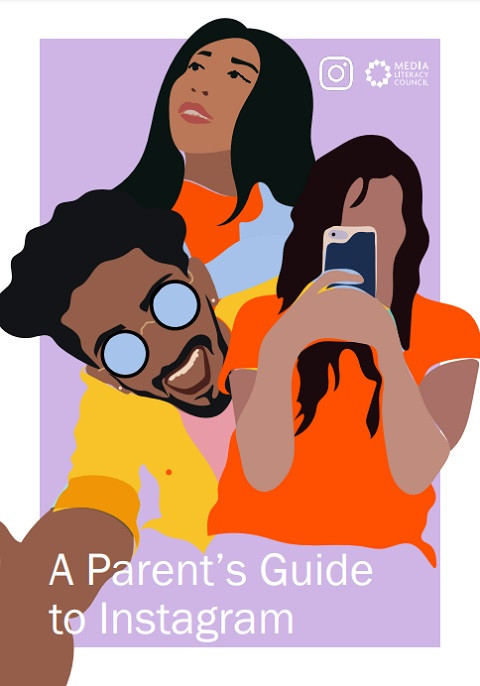 A Parent’s Guide to Instagram Год публикации: 2021 Организация-автор: Media Literacy Council (MLC) This parent’s guide to Instagram will help parents to update their digital literacy skills and get a better understanding of how social media platforms and their security features work.
  The Ultimate Dialogue Adventure: An Online Global Citizenship Game for Students Ages 13-17 Год публикации: 2020 Организация-автор: Generation Global An interactive online platform that leads young people ages 13-17, through a game to learn the skills of intercultural dialogue and participate in forums focused on a variety of global topics and issues. The Ultimate Dialogue Adventure can be used as a self-directed learning journey for young people, or as an in-class companion for teachers, to support rigorous dialogue about a global topic or provide a place of practice when using our offline materials.
  Digital Skills Toolkit Год публикации: 2018 Автор: Chris Coward Организация-автор: International Telecommunication Union (ITU) This toolkit provides stakeholders with guidance on developing a digital skills strategy. It is intended for policymakers, along with partners in the private sector, non-governmental organizations, and academia. Its overarching aim is to facilitate the development of a comprehensive digital skills strategy at country level. It is also possible to use this guide to focus on selected priorities that require a fresh approach.