
Ресурсы
Изучайте широкий спектр ценных ресурсов ВГГ, чтобы углубить своё понимание и повысить эффективность исследований, просветительской деятельности, преподавания и обучения.
Найдено: 1,477
 Educación para la ciudadanía y la convivencia: ciberciudadanía para la paz, una aldea digital de la que haces parte; ciclo cinco (décimo, undécimo, duodécimo) Год публикации: 2015 Организация-автор: Secretaría de Educación del Distrito (SED) | Fe y Alegría These twelve modules make reference to a series of activities that focus on how children from all the educative grades understand and live citizenship, strengthening and facilitating the learning processes based on autonomy. This educative materials, which are aimed at being implemented inside the classrooms, attempt to serve as input resources for educators and other agents that work on or are interested in working with citizenship education and coexistence. The overall objective is to provide quality education. Educación para la ciudadanía y la convivencia: hacemos sinergías para vivir y convivir en territorios de paz; ciclo cuatro (octavo y noveno) Год публикации: 2015 Организация-автор: Secretaría de Educación del Distrito (SED) | Fe y Alegría These twelve modules make reference to a series of activities that focus on how children from all the educative grades understand and live citizenship, strengthening and facilitating the learning processes based on autonomy. This educative materials, which are aimed at being implemented inside the classrooms, attempt to serve as input resources for educators and other agents that work on or are interested in working with citizenship education and coexistence. The overall objective is to provide quality education.
 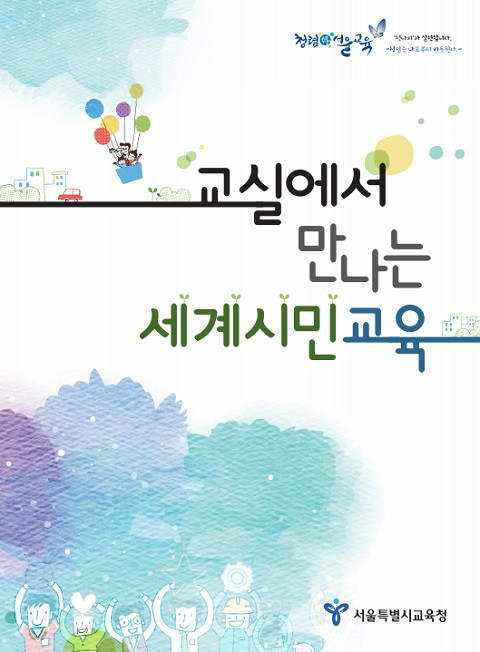 교실에서 만나는 세계시민교육 Год публикации: 2016 Автор: 정애경 | 윤지아 | 정혜선 | 이근화 | 공석범 | 주예진 | 이원용 | 정용민 Организация-автор: 서울특별시교육청 본 자료는 학습자로 하여금 인류가 공동으로 직면하고 있는 문제들에 대해 이해하고 지구촌 공동체에 대한 소속감과 연대감을 키워 지구촌의 문제들을 해결할 수 있는 다양한 실천적이고 협력적인 능력을 키우는데 그 목적을 두고 있으며, 직접 교실 현장에서 활용할 수 있도록 교수학습과정안의 형식으로 구성되어 있다. 학습주제로 제시된 것은 국제이해교육과 세계시민교육에서 공통으로 다루는 인권과 평화, 다문화를 비롯하여 2030년까지의 인류 공동의 목표인 지속가능발전의 환경과 사회와 경제 부분, 그리고 세계시민교육의 배경인 세계화와 미래사회의 지향점인 국제협력 다섯 영역이다. Educación para la ciudanía y la convivencia: parceras y parceros por la paz (en 140 caracteres); ciclo tres (quinto, sexto y séptimo) Год публикации: 2015 Организация-автор: Secretaría de Educación del Distrito (SED) | Fe y Alegría These twelve modules make reference to a series of activities that focus on how children from all the educative grades understand and live citizenship, strengthening and facilitating the learning processes based on autonomy. This educative materials, which are aimed at being implemented inside the classrooms, attempt to serve as input resources for educators and other agents that work on or are interested in working with citizenship education and coexistence. The overall objective is to provide quality education.
  디지털 소통로(law): 안전·배려·공감의 디지털 세상 만들기; 중·고등용 Год публикации: 2020 Автор: 정소연 | 김영준 | 김동하 | 최용철 | 김정호 | 송한준 | 김기환 | 이동준 | 장선영 | 허천영 | 허재벽 | 황규상 Организация-автор: 대한민국 법무부 보호정책과 이 교재는 청소년들이 실제 궁금해 하고, 피해가 자주 발생하는 디지털 성범죄, 사이버 폭력, 인터넷 금융범죄, 디지털 저작권 등 4개 분야와 디지털 에티켓을 각각의 사례로 구성하였고, 사례에 해당하는 법조문과 판례를 통해 디지털 범죄에 대한 경각심을 일깨울 뿐 아니라, 피해자들을 위한 구제 방법과 관계기관의 지원 대책 등을 종합적으로 안내하고 있다. 디지털 공간에서 발생하는 각종 범죄의 재발 방지와 피해 예방을 위해 발간된 청소년용 디지털 법교육 교재이다.
 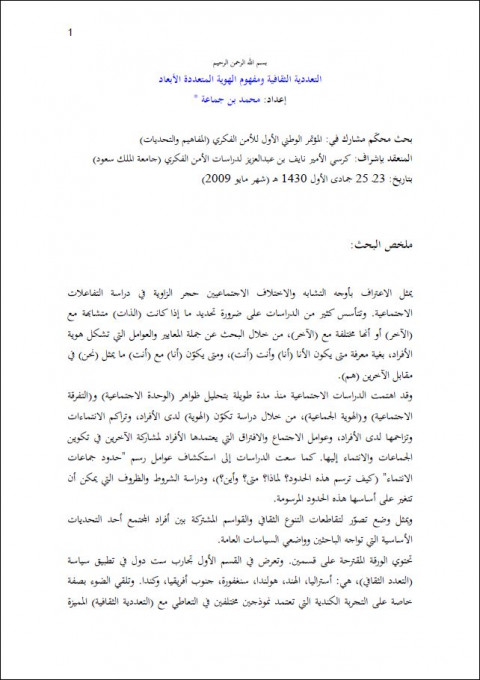 التعددية الثقافية ومفهوم الهوية المتعددة الأبعاد Год публикации: 2009 Автор: Mohamed Ben Jemaa Организация-автор: King Saud University يمثل الاعتراف بأوجه التشابه والاختلاف الاجتماعيين حجر الزاوية في دراسة التفاعلات الاجتماعية. وتتأسس كثير من الدراسات على ضرورة تحديد ما إذا كانت (الذات) متشاة مع (الآخر) أو أا مختلفة مع (الآخر)، من خلال البحث عن جملة المعايير والعوامل التي تشكل هوية الأفراد، بغية معرفة متى يكون الأنا (أنا) وأنت (أنت)، ومتى يكوّن (أنا) مع (أنت) ما يمثل (نحن) في مقابل الآخرين (هم).وقد اهتمت الدراسات الاجتماعية منذ مدة طويلة بتحليل ظواهر (الوحدة الاجتماعية) و(التفرقة الاجتماعية) و(الهوية الجماعية)، من خلال دراسة تكوّن (الهوية) لدى الأفراد، وتراكم الانتماءات وتزاحمها لدى الأفراد، وعوامل الاجتماع والافتراق التي يعتمدها الأفراد لمشاركة الآخرين في تكوين الجماعات والانتماء إليها. كما سعت الدراسات إلى استكشاف عوامل رسم "حدود جماعات الانتماء" (كيف ترسم هذه الحدود؟ لماذا؟ متى؟ وأين؟)، ودراسة الشروط والظروف التي يمكن أن تتغير على أساسها هذه الحدود المرسومة.ويمثل وضع تصوّر لتقاطعات التنوع الثقافي والقواسم المشتركة بين أفراد اتمع أحد التحديات الأساسية التي تواجه الباحثين وواضعي السياسات العامة.تحتوي الورقة المقترحة على قسمين. وتعرض في القسم الأول تجارب ست دول في تطبيق سياسة (التعدد الثقافي)، هي: أستراليا، الهند، هولندا، سنغفورة، جنوب أفريقيا، وكندا. وتلقي الضوء بصفة خاصة على التجربة الكندية التي تعتمد نموذجين مختلفين في التعاطي مع (التعددية الثقافية) المميزة للمجتمع الكندي بسبب تركيبته التكوينية تاريخيا، والجامعة بين الهنود الحمر (أو الأمم الأولى) والفرنسيين والإنجليز، وبسبب الانفتاح الفريد على قبول المهاجرين. ويعرف النموذج الأول باسم وهو النموذج المعتمد من الحكومة الفيدرالية الكندية. ،(Multiculturalism) " "التعددية الثقافية .(Interculturalism) " أما الثاني فهو معتمد من قبل مقاطعة كيبك ويعرف باسم "التفاعل الثقافي ثم تعرض في القسم الثاني إطارا نظريا لمفهوم (الهوية متعددة الأبعاد)، يسعى لفهم أشكال التراكم والتزاحم بين الانتماءات، وتحديد عدد من العوامل المؤثرة فيها. كما تعرض أخطاء اعتماد الهوية ذات البعد الواحد في تصنيف الأفراد والجماعات، وعلاقة ذلك بالعنف، من خلال محاولة لتحديد معالم الهوية الإسلامية المختزلة التي يرسمها تنظيم القاعدة لنفسه في الصراع الذي يخوضه على المست وى الدولي. Multiculturalism and the Concept of Multi-Dimensional Identity Год публикации: 2009 Автор: Mohamed Ben Jemaa Организация-автор: King Saud University A conference paper discussing multiculturalism and contains two parts, where the first part discusses multiculturalism policies in 6 countries. While the second part shows the multi-dimensional identity.
  Peace Education Performances Год публикации: 2016 Автор: Enrique Chaux | José Fernando Mejía | Juanita Lleras | David Guáqueta | Andrea Bustamante | Gloria Inés Rodríguez | Paula Andrea Pineda | Alexander Ruiz-Silva | Carolina Valencia | Charlotte Greniez | Daniel García | Sara Victoria Alvarado | Ana María Velásquez Организация-автор: Colombia. Ministerio de Educación Nacional This document presents a proposal for Peace Education performances for grades k to 11th. This proposal seeks to be an illustration of a curricular design consistent with the Guidelines for the Implementation of the Peace Law. Desempeños de educación para la paz Год публикации: 2016 Автор: Enrique Chaux | José Fernando Mejía | Juanita Lleras | David Guáqueta | Andrea Bustamante | Gloria Inés Rodríguez | Paula Andrea Pineda | Alexander Ruiz-Silva | Carolina Valencia | Charlotte Greniez | Daniel García | Sara Victoria Alvarado | Ana María Velásquez Организация-автор: Colombia. Ministerio de Educación Nacional Este documento presenta una propuesta de desempeños de Educación para la Paz para los grados transición a 11º. Esta propuesta busca servir de ilustración de cómo podría ser un diseño curricular consistente con las Orientaciones para la Implementación de la Cátedra de la Paz.
  Didactic Sequences of Education for Peace Год публикации: 2016 Автор: Enrique Chaux | José Fernando Mejía | Juanita Lleras | David Guáqueta | Andrea Bustamante | Gloria Inés Rodríguez | Paula Andrea Pineda | Alexander Ruiz-Silva | Carolina Valencia | Charlotte Greniez | Daniel García | Sara Victoria Alvarado | Ana María Velásquez Организация-автор: Colombia. Ministerio de Educación Nacional This document proposes examples of didactic sequences of Peace Education for all grades from 1st to 11th. A didactic sequence can be understood as the detailed description of a series of articulated lesson organized in a coherent way. The proposed sequences include between 4 and 7 class sessions of approximately 50 minutes each. They seek to be consistent with the General Guidelines for the Implementation of the Peace Law and with the Proposed Performances.