
Ресурсы
Изучайте широкий спектр ценных ресурсов ВГГ, чтобы углубить своё понимание и повысить эффективность исследований, просветительской деятельности, преподавания и обучения.
Найдено: 1,727
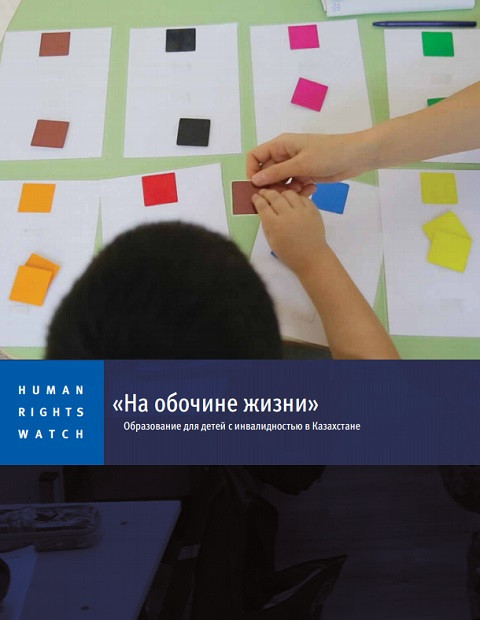 On the Margins: Education for Children With Disabilities in Kazakhstan Год публикации: 2019 Организация-автор: Human Rights Watch This report is intended to analyze the situation with inclusive education in Kazakhstan for children with disabilities, government initiatives in this area, the reasons and factors of insufficient implementation of inclusive education. It also contains recommendations to the government of the Republic of Kazakhstan and international partners and proposals for improving the situation. На обочине жизни: Образование для детей с инвалидностью в Казахстане Год публикации: 2019 Организация-автор: Human Rights Watch Данный отчет призван проанализировать ситуацию с инклюзивном образованием в Казахстане для детей с инвалидностью, государственные инициативы в данной сфере, причины и факторы недостаточного внедрения инклюзивного образования. В нем также содержатся рекомендации правительству Республики Казахстан и международным партнерам и предложения по улучшению ситуации.
  Educate for Life: The Development of Socio-Emotional Skills and the Role of Teachers Год публикации: 2020 Автор: Elena Arias Ortiz | Diana Hincapié | Diana Paredes Организация-автор: Inter-American Development Bank This technical note presents a diagnosis on the incorporation of socio-emotional skills in 12 countries in Latin America and the Caribbean, and the training that teachers receive to develop these skills in students. Although progress has been made, we highlight the main challenges that must be faced to develop socio-emotional skills.
 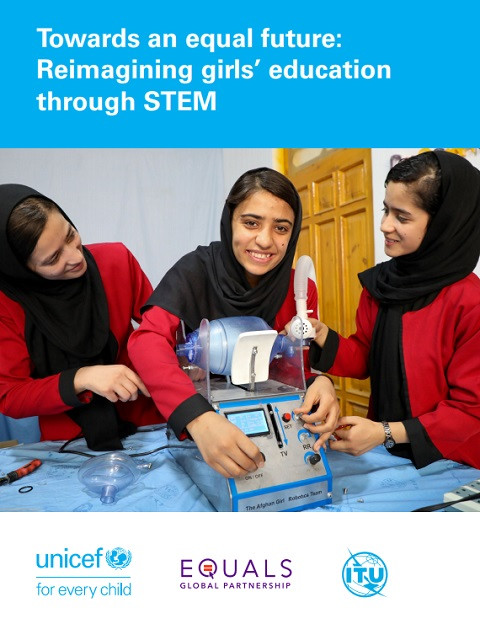 Towards an Equal Future: Reimagining Girls’ Education Through STEM Год публикации: 2020 Организация-автор: United Nations Children's Fund (UNICEF) | International Telecommunication Union (ITU) This document seeks to call attention to the potential of STEM education to transform gender norms in the education system, to improve quality learning opportunities for girls, and to highlight key actions that can accelerate girls’ transition between education and technical expert jobs in STEM industries. Critically, STEM education also has the potential to contribute to personal empowerment, transformation of communities and nations, and building economies for the future.The evidence presented here provides a foundation for a call to action for global, national and regional actors. All stakeholders are called to work together to dismantle the barriers that girls face to develop the skills they need to become users, shapers and creators of scientific knowledge and new technologies. This will allow girls to choose the skills they want to learn and how to apply them, empowering them to contribute to a gender-equal world.
  INSPIRE Handbook: Action for Implementing the Seven Strategies for Ending Violence Against Children Год публикации: 2018 Организация-автор: World Health Organization (WHO) This handbook explains in detail how to choose and implement interventions that will fit your needs and context. The seven strategy-specific chapters address the Implementation and enforcement of laws; Norms and values; Safe environments; Parent and caregiver support; Income and economic strengthening; Response and support services; and Education and life skills. The handbook concludes with a summary of INSPIRE’s implementation and impact indicators, drawn from the companion INSPIRE indicator guidance and results framework. Manual INSPIRE: Medidas destinadas a implementar las siete estrategias para poner fin a la violencia contra los niños Год публикации: 2018 Организация-автор: World Health Organization (WHO) El Manual INSPIRE: Medidas destinadas a implementar las siete estrategias para poner fin a la violencia contra los niños (en adelante denominado el Manual INSPIRE) se explica en él cómo escoger y llevar a cabo intervenciones acordes con sus necesidades y su entorno. Tras una exposición de carácter general, en los capítulos sucesivos se aborda cada una de las siete estrategias, a saber: Implementación y vigilancia del cumplimiento de las leyes; Normas y valores; Seguridad en el entorno; Padres, madres y cuidadores reciben apoyo; Ingresos y fortalecimiento económico; Respuesta de los servicios de atención y apoyo; y Educación y aptitudes para la vida. El manual concluye con un resumen de los indicadores de ejecución e impacto de INSPIRE, tomados de la publicación conexa INSPIRE Indicator guidance and results framework (Orientación sobre indicadores y marco de resultados de INSPIRE).
 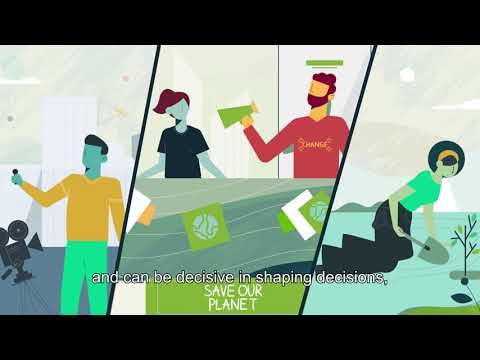 DEAR, Action Through Campaigning and Advocacy Год публикации: 2020 Организация-автор: Development Education and Awareness Raising (DEAR) Programme | European Commission This video gives an overview of the kind of work that DEAR-funded projects do in campaigning and advocacy. It also emphasizes the principles of Global Citizenship Education and the active involvement of citizens.
 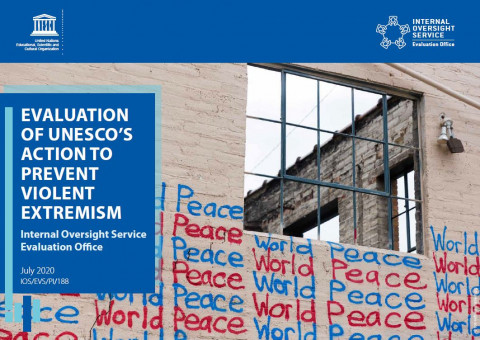 Evaluation of UNESCO’s Action to Prevent Violent Extremism Год публикации: 2020 Организация-автор: UNESCO Internal Oversight Service (IOS) The purpose of this evaluation was twofold. To provide evidence, ideas and insights on how UNESCO’s efforts on PVE in the period from 2015-2018 have contributed to enhancing UNESCO’s action and position in the PVE sphere in light of the decisions of Member States. And to provide evidence and formulate lessons learned and good practices on the intersectoral approach with the aim of informing what works and what does not work in intersectoral cooperation.The evaluation found that UNESCO’s work on PVE was context specific and adjusted to respond to the needs of the countries and sub-regions where the work was being implemented.UNESCO’s work is aligned with the agency’s mandate and expertise and makes the most of its strong relationships with government bodies and civil society actors. UNESCO’s work on PVE has led to positive results around the quality, use and effectiveness of guidance documents, around capacity building of UNESCO partners and stakeholders, and around the provision of expertise and policy advice both at national and global level. Using an intersectoral approach led to an increase in information sharing and coordination. However, this was not always translated to intersectoral implementation or delivery of PVE initiatives.
 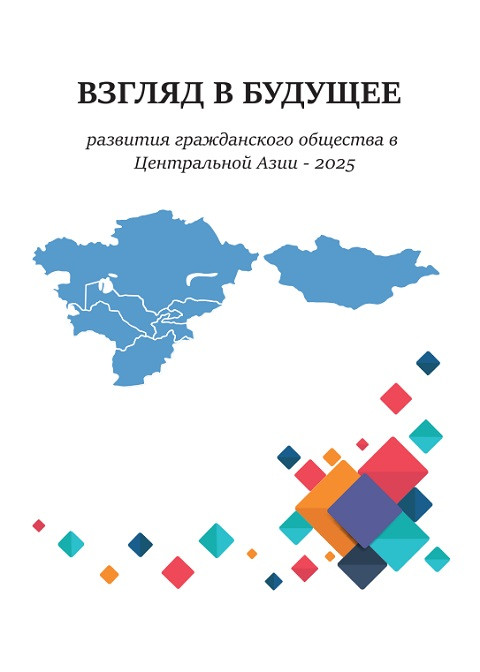 Looking into the Future Development of Central Asian Civil Society 2025 Год публикации: 2020 Организация-автор: Civil Society Development Association (ARGO) “Looking into the future Development of Central Asian Civil Society - 2025” is a vision that reflects the role, trends and prospects for the development of civil society in Central Asia for 5 years. The Vision represents an image of civil society (‘We are the ones who’) and defines strategic priorities for the development of civil society in Central Asia. Взгляд в будущее развития гражданского общества в Центральной Азии 2025 Год публикации: 2020 Организация-автор: Civil Society Development Association (ARGO) «Взгляд в будущее развитие гражданского общества Центральной Азии – 2025» — это видение, в котором отражены роль, тренды и перспективы развития гражданского общества в Центральной Азии на 5 лет. Видение представляет собой портрет гражданского общества в образе «Я» и определяет приоритеты развития гражданского общества в Центральной Азии.