
National identity and xenophobia in an ethnically divided society
Recent studies have suggested that national identity is empirically related to negative sentiments of individuals towards foreigners. This type of analysis has hitherto been based on the notion that xenophobia is shaped by the specific nature of national identity in a given society. Representing a stronger and more exclusive perception of national identity, ethnic national identity (compared with civic national identity) is expected in this line of research to result in less favourable perceptions of immigrants. In this paper we expand this approach by arguing that, in deeply divided societies, national identity itself may have different meanings among different social groups.
相关资源
-
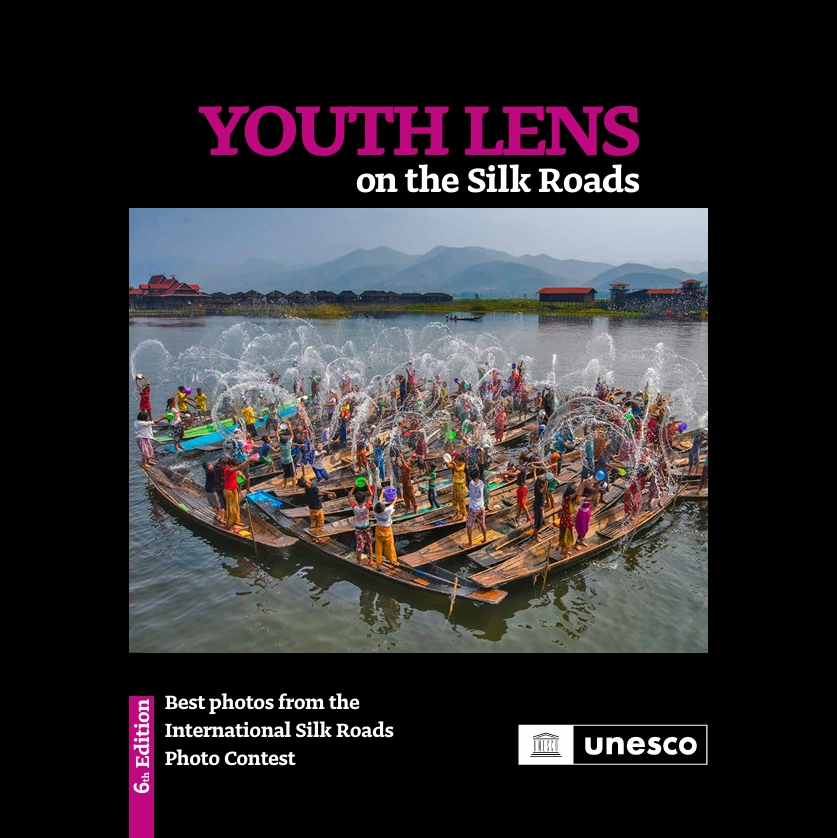 Youth Lens on the Silk Roads: Best Photos from the International Silk Roads Photo Contest; 6th Edition
 -
 Addressing Violent Pasts through Education: A Policy Guide
 -
 UNESCO Framework for Culture and Arts Education: Implementation Guidance
 -
 The Representation of Jews, Judaism and Antisemitism in School Textbooks and Curricula in Europe