
National curricular guidelines and citizenship education in schools in Latin American countries
- 载体形态
- 21p
- 资源语言
- 西班牙语
- 出版年份
- 2013
The aim of this study is to contrast two different sources of information regarding citizenship education in Latin America: curricular guidelines, and students’ civic attitudes and practices. When analyzing curricular guidelines, we consider the official national documents of the respective Ministries of Education, whereas regarding civic practices and attitudes, we analyze the results of the 2009 ICCS study. By using quantitative methods, we contrast the curricular emphasis and students’ results for each of the six countries considered. Our findings show that several curricular absences are associated with students’ low achievement in civic and citizenship knowledge and attitudes. Therefore, these results provide some guidelines for improving the official curricular documents and developing more empirical research on less-covered civic topics. Finally we encourage further research on classroom practices, especially on the topics highlighted in this research, such as authoritarianism, peaceful coexistence, national and regional identity, and accountability. Inside classroom research is very important to have a complete view of civic/citizenship curricular guidelines and practices, considering the limitations implied by looking at the intended curriculum (official documents) rather than the one implemented.
相关资源
-
 IIEP-UNESCO 12th Medium-Term Strategy: 2026–2029
 -
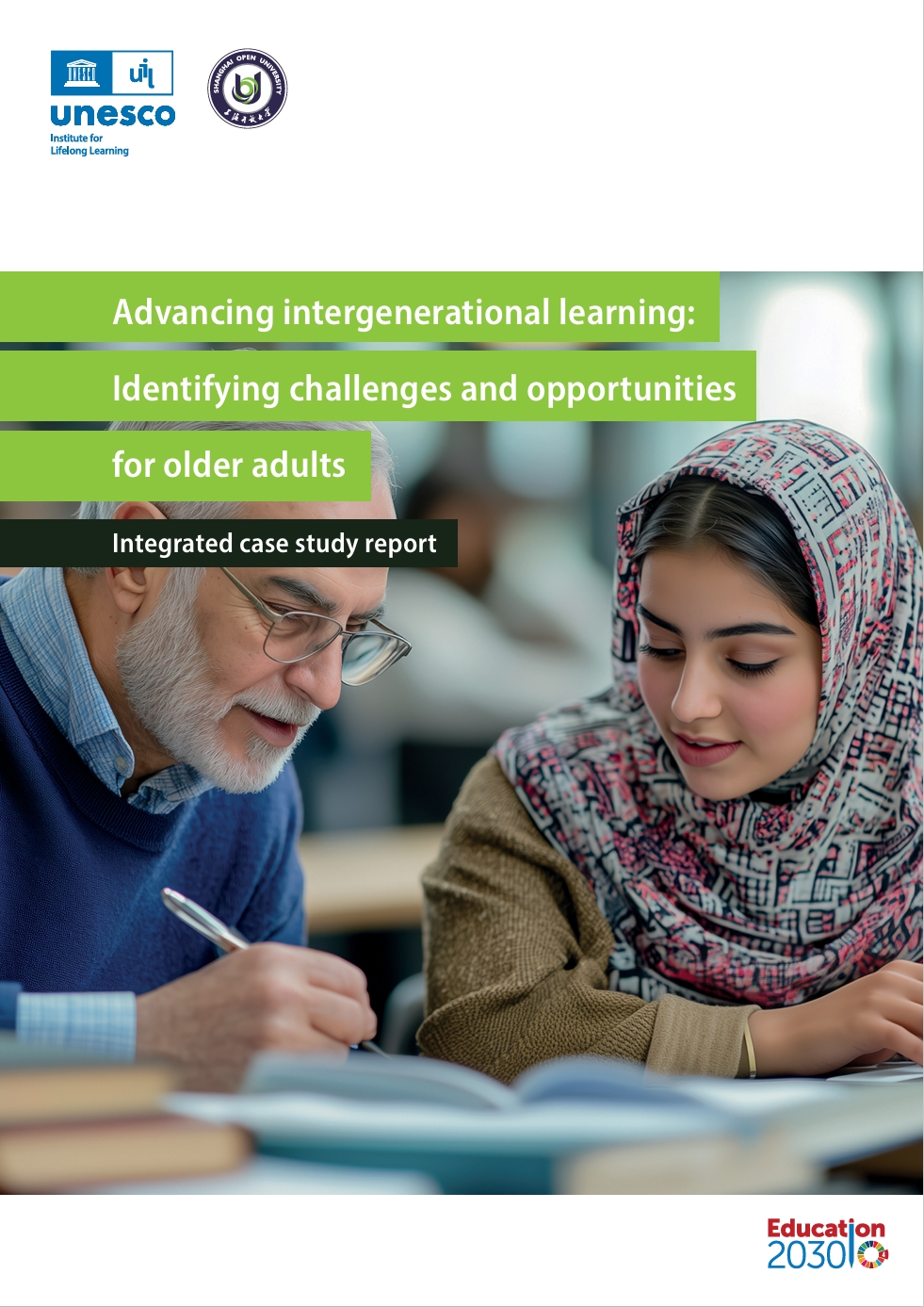 Advancing Intergenerational Learning: Identifying Challenges and Opportunities for Older Adults; Integrated Case Study Report
 -
 Digital Empowerment for Lifelong Learning and Transformative Andragogy (DELTA) for Adult Educators: Introduction to the DELTA Framework and Resources
 -
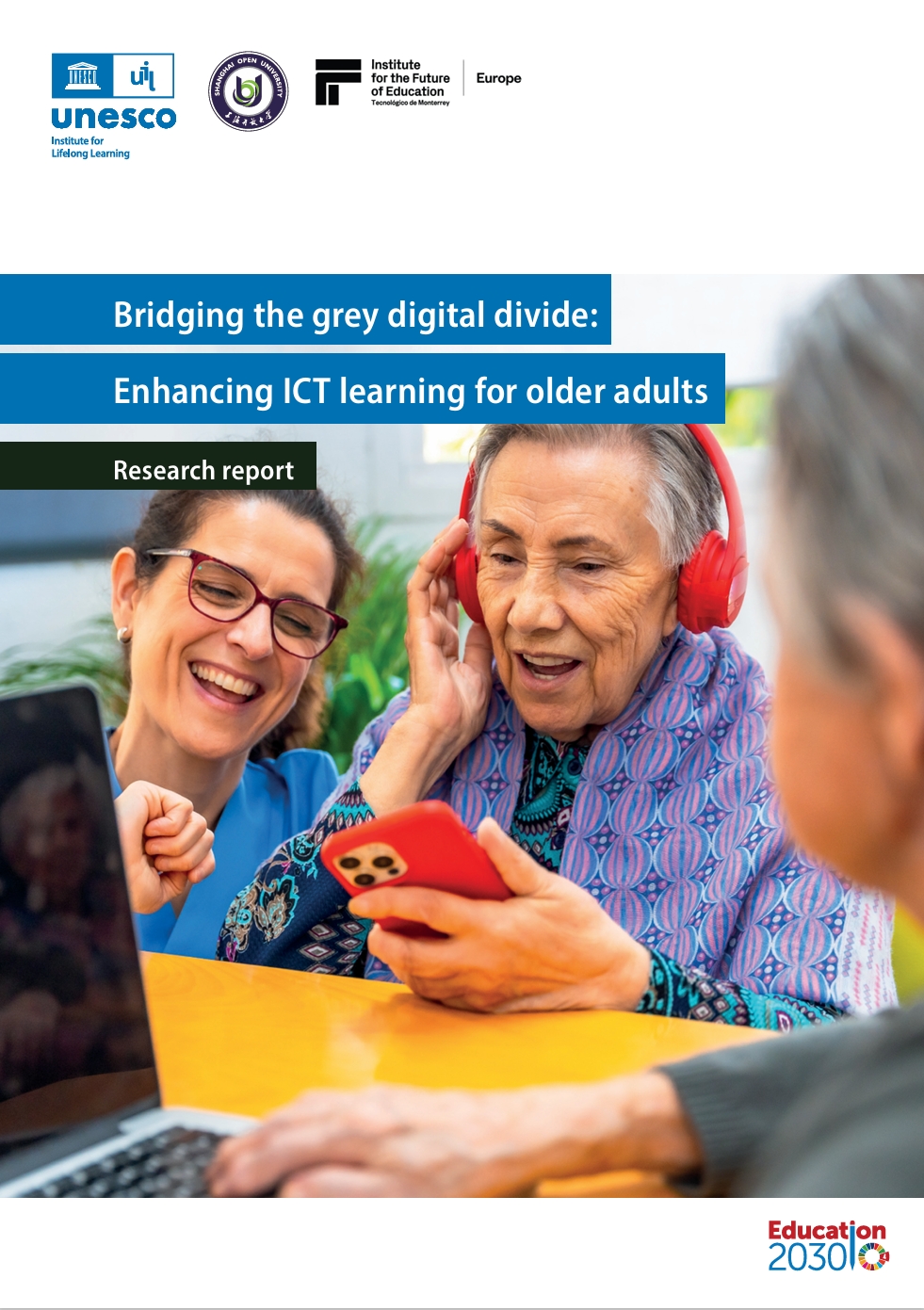 Bridging the Grey Digital Divide: Enhancing ICT Learning for Older Adults; Research Report