
Hate Speech, Propaganda and Disinformation in Albanian Media
- 作者
- Ilda Londo
- 机构作者
- South East European Network for Professionalization of Media (SEENPM)Peace InstituteAlbanian Media Institute
- 载体形态
- 27 p.
- 资源语言
- 英语
- 出版年份
- 2020
This publication aims to highlight the main models and elements that media in Albania manifest regarding hate speech, propaganda and disinformation and also to identify ways of countering these narratives. According to this research, even though the media is rarely active in fighting hate speech in the country, it cannot be said that it is a source of hate speech or that it is actively promoting it. Politicians often push hate speech narratives, which the media publishes or reflects, provoking protest from some human rights organizations. On the other hand, there is a visible problem with ethics and lack of moderation in User Generated Content, more specifically in users’ comments sections of online media.
In addition, contrary to hate speech narratives, which are rarely present, attempts to misinform and spread propaganda are a constant trend in the Albanian media. While the furthering of foreign propaganda is confined to a limited number of media, the use of conspiracy theories and sensationalism to further media popularity, unfortunately, is not. Few online media outlets have escaped the trend of publishing conspiracy theories, which turned into a frenzy especially with the emergence of the coronavirus. Even television stations, which are supposed to have more filters and be more responsible about their content, have intensified this kind of coverage. Proponents of conspiracy theories are readily present in a few television stations in their main current affairs programmes, amplifying these theories and information, which leads to an increasingly greater influence on the public, especially given the lack of programmes or education on media literacy.
相关资源
-
 IIEP-UNESCO 12th Medium-Term Strategy: 2026–2029
 -
 Advancing Intergenerational Learning: Identifying Challenges and Opportunities for Older Adults; Integrated Case Study Report
 -
 Digital Empowerment for Lifelong Learning and Transformative Andragogy (DELTA) for Adult Educators: Introduction to the DELTA Framework and Resources
 -
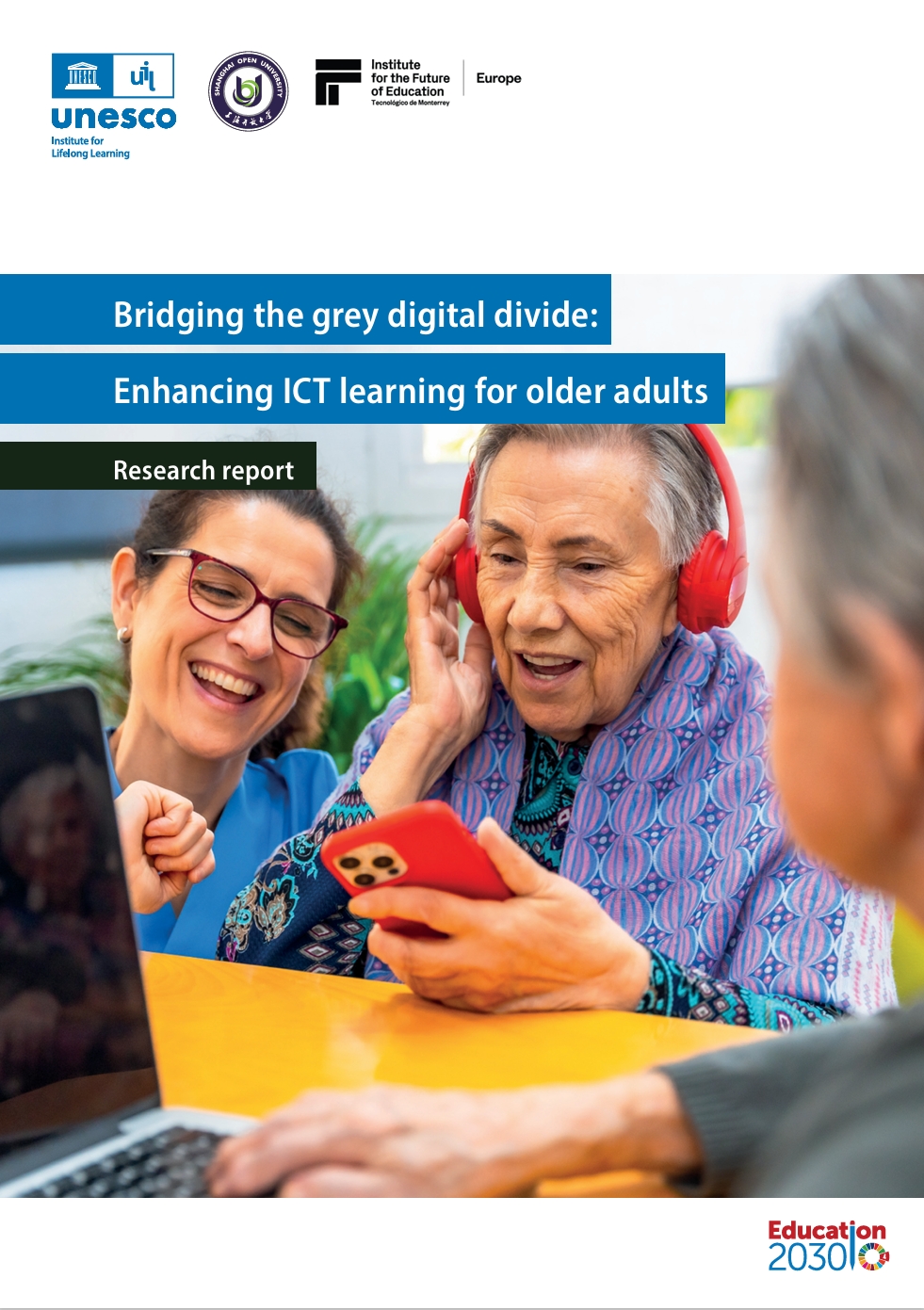 Bridging the Grey Digital Divide: Enhancing ICT Learning for Older Adults; Research Report