
相关资源
探索丰富的全球公民教育资源,深化理解,促进研究、倡导、教学与学习。
共找到3,182条结果
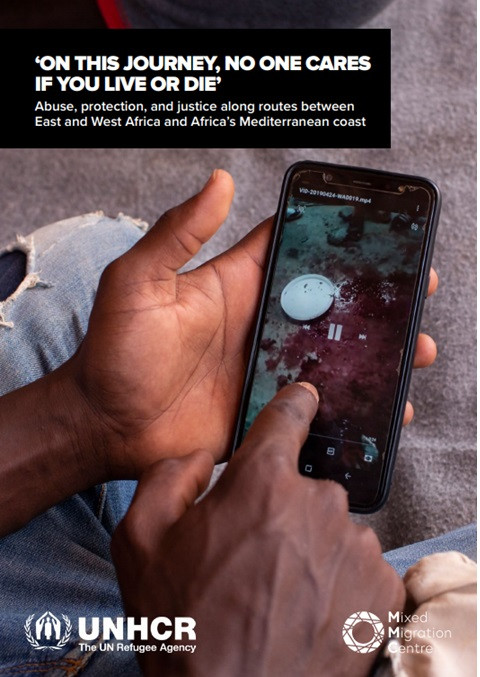 On This Journey, No One Cares If You Live or Die: Abuse, Protection, and Justice Along Routes Between East and West Africa and Africa’s Mediterranean Coast 出版年份: 2020 机构作者: UN. Office of the United Nations High Commissioner for Refugees (UNHCR) | Mixed Migration Centre This report draws on data collected by the Mixed Migration Centre’s 4Mi monitors along the route to map the places where refugees interviewed in 2018 and 2019 most frequently reported deaths, sexual and gender-based violence (SGBV), physical violence, and kidnappings occurred. It illustrates how refugees and migrants using the route face a series of risks including as they cross into eastern Sudan, and when crossing the Sahara Desert, and then again in multiple places in Libya. Similarly, those traveling through West Africa reported multiple incidents of physical violence, SGBV, as well as deaths at various points. Refugees and migrants have reported being subjected to brutal violence, including being burnt with hot oil, melted plastic, or heated metal objects, being electrocuted, tied in stress positions, and experiencing and witnessing repeated sexual violence, often in the context of ransom demands. UNHCR staff and partners continue to witness the severe impact these abuses have had on the mental health of many men, women, and children.
 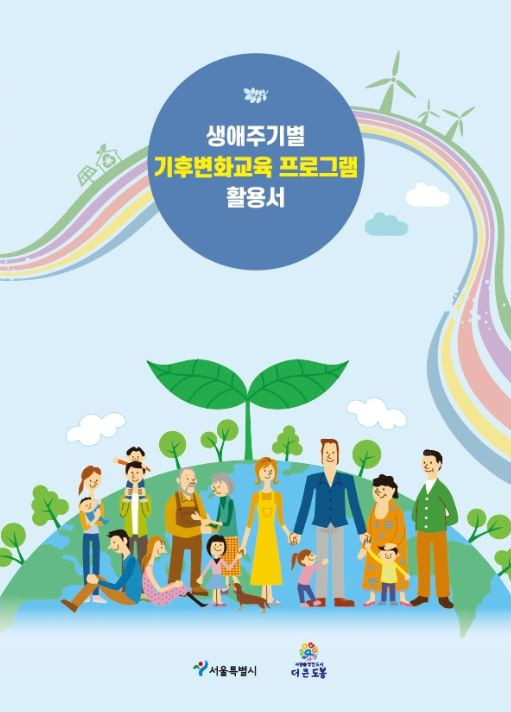 생애주기별 기후변화교육 프로그램 활용서 出版年份: 2020 作者: 장미정 | 권보경 | 박수진 | 안창연 | 이혜진 | 지혜성 | 최지선 机构作者: 도봉구 | 도봉환경교육센터 | 모두를위한환경교육연구소 본 교재는 생애 각 지점에서 지구적 환경의제인 기후변화를 이해하고, 지역에서 기후위기를 극복할 수 있도록 생애주기별로 개발한 기후변화교육 프로그램을 담고 있습니다. 2021년에서 2025년까지의 환경교육 정책을 아우르는 “제3차 국가환경교육종합계획”과 “제3차 서울환경교육종합계획”에서는 평생학습 차원의 정책을 주요하게 다루고 있습니다. 국가 수준의 생애주기 맞춤형 환경교육 프로그램의 정책방안을 적용하되, 도봉 지역의 환경과 교육 여건을 고려해서 지역에 보다 적합한, 지역적 행동을 이끌어 낼 수 있는 프로그램을 개발하고자 했습니다. 따라서 도봉환경교육센터가 기존에 해오던 기후변화교육의 방향성을 되짚어보고, 한발 더 나아가 지역 주민들의 의식조사 결과를 삼았습니다.이 사례가 도봉환경교육센터뿐만 아니라 옆 마을에서, 도봉구 전역에서, 또 서울시 곳곳에 서도 각 지역에 맞게 적용 및 활용될 수 있기를 기대합니다. [자료 출처: (사)환경교육센터]
 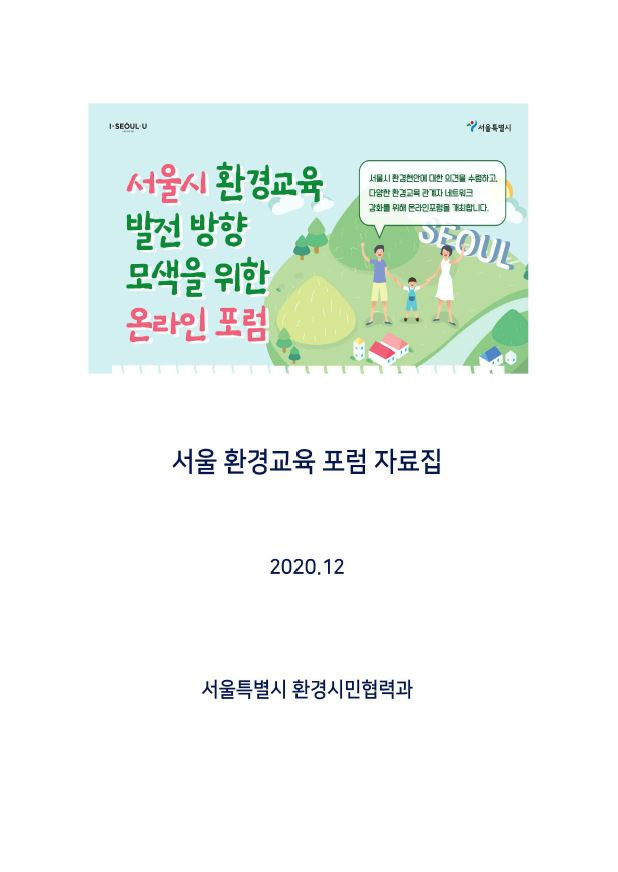 서울시 환경교육 발전 방향 모색을 위한 온라인 포럼: 서울 환경교육 포럼 자료집 出版年份: 2020 作者: 장미정 | 권보경 | 박수진 | 안창연 | 이혜진 | 지혜성 | 최지선 机构作者: 서울시 환경시민협력과 | 모두를위한환경교육연구소 이 자료집은 <서울시 환경교육 발전 방향 모색을 위한 온라인 포럼>의 일환으로 제작되었습니다. 포럼 동영상은 유튜브(www.youtube.com)에서 ‘서울시 환경교육 발전 방향 모색을 위한 온라인 포럼’을 검색하면 보실 수 있습니다. [자료출처: (사)환경교육센터]
  Confronting the Causes and Repercussions of Climate Change: What Role for the Moroccan School and Educational Action? 出版年份: 2016 作者: Abdulaziz Faras 机构作者: Mohammed V University. Faculty of Education An article discussing the role that the public school and environmental education should play in tackling climate change. The study indicates the importance of the number of model programs for environmental education. The article also deals with the role imposed by the Moroccan school in confronting the causes and repercussions of climate change. مواجهة أسباب وتداعيات التغيرات المناخية: أي دور للمدرسة المغربية وللفعل التربوي؟ 出版年份: 2016 作者: Abdulaziz Faras 机构作者: Mohammed V University. Faculty of Education مقال يناقش الدور الذي يجب أن تساهم به المدرسة عامة والتربية البيئية في مواجهة تغير المناخ. تشير الدراسة لأهمية أعداد البرامج النموذجية للتربية البيئية. والمقال أيضا يتعرض للدور المفروض القيام به من قبل المدرسة المغربية في مواجهة أسباب وتداعيات التغير المناخي.
 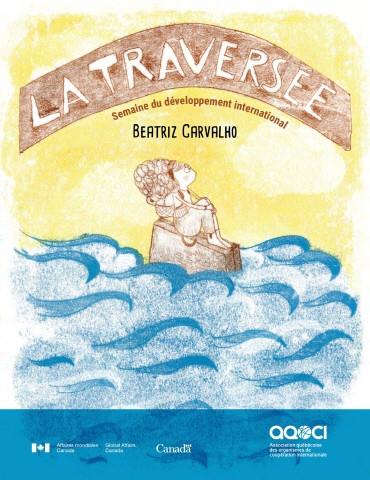 The Journey: International Development Week 出版年份: 2021 作者: Beatriz Carvalho 机构作者: Quebec Association of International Cooperation Organizations (AQOCI) Each year, International Development Week (IDW) highlights an international issue of concern to society. In Quebec, the Association québécoise des organismes de coopération internationale (AQOCI) organizes this public awareness week. CRÉDIL plays an active role in this campaign, and has participated in the production of comic strips as educational tools, such as "La Traversée" in 2021, that attempts to rehumanize our view of border issues and challenges, and offer questions and reflections that touch on the universal. What are we? What is our identity made of? Who gives us the right to have rights? La Traversée: Semaine du développement international 出版年份: 2021 作者: Beatriz Carvalho 机构作者: Association québécoise des organismes de coopération internationale (AQOCI) La Semaine du développement international (SDI) permet chaque année de souligner un enjeu international qui interpelle les sociétés. Au Québec, c’est l’Association québécoise des organismes de coopération internationale (AQOCI) qui organise cette semaine de sensibilisation auprès du public. Le CRÉDIL participe activement à cette campagne et a participé à la production de bandes dessinées comme outil pédagogique comme “La Traversée” en 2021 qui tente de réhumaniser nos regards sur les questions et enjeux de frontières; et offrir des questionnements et des réflexions qui touchent l’universel. Qui sommes-nous? De quoi est faite notre identité? Qui donne le droit d’avoir des droits?
 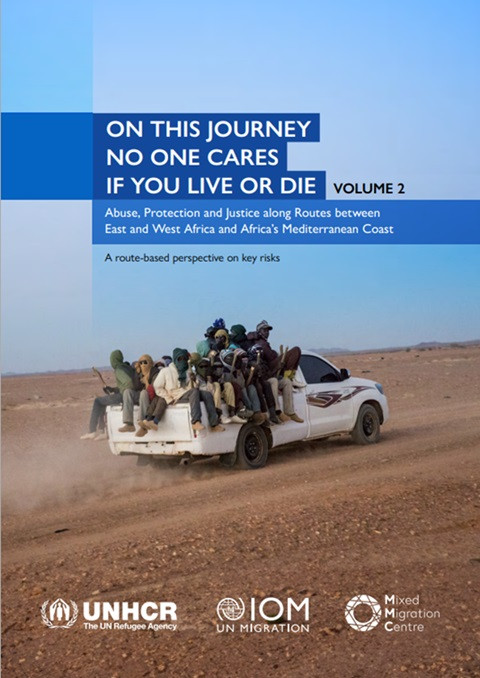 On This Journey No One Cares If You Live or Die, Volume 2: Abuse, Protection and Justice Along Routes Between East and West Africa and Africa's Mediterranean Coast 出版年份: 2024 机构作者: International Organization for Migration (IOM) | Mixed Migration Centre | UN. Office of the United Nations High Commissioner for Refugees (UNHCR) In the complex landscape of migration, this second volume of the report, On This Journey, No One Cares if You Live or Die, emerges as a crucial body of work that sheds light on the stark realities faced by refugees and migrants traversing the perilous Central Mediterranean route all the way from East and Horn of Africa and West Africa to the North African coast of the Mediterranean and across the sea. Jointly published by IOM, MMC and UNHCR, this report delves into the protection risks faced by refugees and migrants during these journeys. It aims to inform increased and concrete routes-based protection responses to reduce the suffering associated with the desperate journeys refugees and migrants undertake, and to serve as a call to action in addressing the root causes of displacement and drivers of irregular migration through positive action on peace, climate change, governance, inequality and social cohesion, as well as the creation of safe migration pathways.
 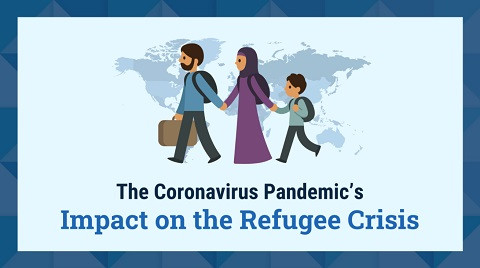 The Coronavirus Pandemic and the Refugee Crisis 出版年份: 2020 作者: Alice Corner 机构作者: Venngage Inc. One group of people most impacted by the Coronavirus Pandemic is the world’s population of refugees and displaced people. There are approximately 25 million refugees in the world, facing unique struggles in access to healthcare, government assistance, and sanitation. Venngage analyzed the data and created this collection of infographics to help paint a fuller picture of COVID-19’s impact on the refugee crisis. This resource includes clear infographics detailing how the conronavirus crisis and refugee crisis relate to each other globally
  Towards More Gender Equality in Sport: Recommendations and Action Plan From the High Level Group on Gender Equality in Sport (2022) 出版年份: 2022 机构作者: European Commission | European Union (EU) Gender equality is a fundamental European Union (EU) principle. Enshrined in the Treaties, it is something the EU is actively trying to achieve – most recently through its Gender Equality Strategy 2021-2025. The Strategy aims to give women, men, girls and boys, in all their diversity, the freedom to pursue their chosen path in life and equal opportunities to thrive and to participate in and lead European society. Looking back at the steps already taken, the ‘Gender equality in sport – Proposal for strategic actions 2014-2020’ has certainly led to achievements, but the pace of reforms needs to be accelerated. Firstly, the principle of gender equality now underpins all actions funded under Erasmus+ Sport and projects supporting women’s sport are actively encouraged. Secondly, awareness raising is at the core of EU action in this field, notably through studies or discussions, such as within the Commission Expert Group on Good Governance. Finally, initiatives such as the annual #BeInclusive EU Sport Awards recognise those organisations using sport to increase social inclusion, including gender equality. In 2020, Commissioner Gabriel announced the setting up of an expert group with the aim of discussing the way forward and proposing future actions in the area of gender equality in sport to the European Commission, EU Member States and sports organisations. The work of the experts will lead to the implementation of concrete actions at local, national and European level. This report is the result of the work of the European Commission High-Level Group (HLG) on Gender Equality in Sport. The 15 members of the HLG were appointed in December 2020. Work began in February 2021 and was completed in December 2021. Meetings focused on six areas of engagement identified by the experts. Scientists and practitioners shared findings of their research and good practices. Each meeting was followed by working sessions to summarise the presentations and formulate recommendations.