
相关资源
探索丰富的全球公民教育资源,深化理解,促进研究、倡导、教学与学习。
共找到3,128条结果
 Analytic Study of Culture of Peace in Children's Stories Issued by State Information Service (SIS) in Egypt 出版年份: 2010 作者: السعيد، نفيسة صلاح الدين محمود 机构作者: Ain Shams University The study investigates the contents of a series of 41 stories in 11 booklets that were published in Cairo by a governmental publishing house as a contribution to the UN's Decade of Culture of Peace and Non-Violence. The study concludes that the stories include the nine concepts (and subconcepts) which together constitute the concept of culture of peace. The nine concepts are: Dialogue, tolerance, coexistence, peace glorification and renouncing of violence, preservation of the environment, peace-building, solidarity, democracy and human rights. Method of the study: descriptive and media survey.
  درجة إلمام معلمات رياض الأطفال لمبادئ حقوق الطفل المتضمنة في المنهاج الوطني التفاعلي بالأردن من منظور تربوي وقانوني 出版年份: 2016 作者: الزبون، سليم عودة 机构作者: University of Jordan هدفت هذه الدراسة إلى الكشف عن درجة إلمام معلمات رياض الأطفال بمبادئ حقوق الطفل المتضمنة في المنهاج الوطني التفاعلي بالأردن من منظور تربوي وقانوني، وتكونت عينة الدراسة من (53 ) معلمة من مجتمع الدراسة الأصلي، حيث تم اختيار العينة على أساس العينة الطبقية العشوائية. قام الباحثون بتطوير استبانة لهذا الغرض اشتملت على (38 ) حقًا من حقوق الطفل وزعت على أربعة مجالات: الاجتماعي، والمعرفي، والسياسي، والاقتصادي، وتم التحقق من صدقها وثباتها. وقد أظهرت النتائج ضعف إلمام معلمات رياض الأطفال بمبادئ حقوق الطفل المتضمنة في المنهاج الوطني التفاعلي. وقد خلص الباحثون إلى عدد من التوصيات، منها: تضمين المنهاج الوطني التفاعلي وأدلة المعلمين الصور والنشاطات التي توضح التطبيق الفعلي لحقوق الطفل في مواقف الحياة اليومية، وعقد دورات تدريبية لمعلمات رياض الأطفال للتعرف على مبادئ حقوق الطفل. The Degree of Familiarity with Kindergarten Teachers to Child Rights Principles Contained in the National Curriculum in Jordan, from Interactive Education and Legal Perspective 出版年份: 2016 作者: الزبون، سليم عودة 机构作者: University of Jordan The goal of this research is to detect the extent to which kindergarten teachers are familiar with the principles of the rights of children that are included in the National Curriculum, in Jordan, from the interactive education and legal perspective. The study sample consisted of (53) parameters of the original study population, where the sample was selected on the basis of stratified random sample . The researchers developed a questionnaire for this purpose which included (38) of the child rights and distributed them in four areas: social, cognitive, political and economic, and was verified. The results showed weakness in the familiarity by kindergarten teachers of the principles of the rights of children that are included in the National Curriculum. The researchers concluded with a number of recommendations including: to include in the National Curriculum and teachers' guides to interactive images and activities that illustrate the actual application of the rights of children in everyday situations, and holding training courses for kindergarten teachers on the principles of the rights of the child.
  مدى تضمين مفاهيم حقوق الطفل في كتب التربية الاجتماعية والوطنية للمرحلة الأساسية العليا في الأردن 出版年份: 2012 作者: الكساب، علي عبد الكريم محم 机构作者: Kuwait Society for the Advancement of Arab Children (KSAAC) هدفت هذه الدراسة إلى التعرف على مدى تضمين مفاهيم حقوق الطفل في كتب التربية الاجتماعية والوطنية للمرحلة الأساسية حيث تم رصد كل المفاهيم التي تناولت حقوق الطفل الواردة فيها. وتم استخدام التكرارات والنسب المئوية واختبار كروسكال-والس. أظهرت نتائج الدراسة أن هذه الحقوق جاءت متتالية، وأبرزت الحقوق الاجتماعية أولا بتكرارات بلغ مقدارها (172) تكرارا، ثم الحقوق الدينية بتكرارات بلغ مقدارها (115) تكرارا، ثم الحقوق السياسية بتكرارات بلغ مقدارها (56) تكرارا، وأن أكثر الصفوف الدراسية تضمينا لمفاهيم حقوق الطفل هو كتاب التربية الاجتماعية والوطنية للصف السابع الأساسي، يليه كتاب الصف العاشر الأساسي. وأوصت الدراسة التأكيد على إبراز ونشر حقوق الطفل بإمكانية المشاركة مع وزارة التربية والتعليم في تأليف الكتب وإدخالها ضمن معايير إعداد مناهج وكتب التربية الاجتماعية والوطنية بالتنسيق مع أصحاب الاختصاص في كليات العلوم التربوية لتحديد تلك الحقوق المناسبة لكل مرحلة تعليمية، وتضمين تلك الكتب النشاطات والتدريبات المناسبة ليتعرف الأطفال على حقوقهم، وعقد دورات تدريبية للمعلمين لنقلها للطلبة من أجل ممارستها في الحياة العملية. The Implication of Child Rights Concepts in the Social Education Textbooks of the Upper Primary Schools in Jordan 出版年份: 2012 作者: الكساب، علي عبد الكريم محم 机构作者: Kuwait Society for the Advancement of Arab Children (KSAAC) The purpose of this study is to identify how far are the concepts of child rights included in the Social and National Education textbooks of the the basic education classes. Relevant child rights concepts were monitored and frequencies, percentages, and KroschialWllace test were used. The results showed that child rights came in a sequence of order. Social rights came on top (F=172), followed by religious rights (F=115) and political rights (F=56). The text books with most referencies to child rights concepts were the Civic and National education books of class Basic Education 10.The study recommends promoting child rights by writing relevant books and adding child rehigts concepts to the criteria of authoring civic and national education curriculla and textbooks, possibly in partnership with the Ministry of Education and in cooperation with specialists at the faculties of sciences of education, in order to identify child rights concepts, most suitable for each educational level, with appropriete activities and excercises for children to lern about their implying appropriate into such textbooks for students to learn about their rights. Teachers should be provided with training in order to help children parctice them in reality.
  التربية على المواطنة وحقوق الإنسان 出版年份: 2010 作者: محمد حالي يقدم هذا المقال تعريفات لمقوّمات مفهوم التربية على المواطنة بأبعاده الثلاثة، على خلفية حالة المغرب، انطلاقاً من أن التربية على المواطنة تتوخى "تنمية الوعي بالحقوق والمسؤوليات الفردية والجماعية، والتدرب على ممارستها، وتستمد وظيفتها المجتمعية من مساهمتها في تكوين الإنسان/المواطن القادر على السير بالمجهود التحديثي والتنموي لبلاده إلى الأمام، في وقت تزايدت فيه انتظارات المواطنين، ومستلزمات العالم الذي نعيش فيه". أما الأبعاد الثلاثة فهي: 1) البعد الفلسفي والقيمي: 2) البعد السياسي والقانوني 3) البعد الاجتماعي والثقافي. إلى ذلك، فإن المقال يعالج المحاور التي تتكامل في تقديم المفهوم: 1) التربية على المواطنة بتعريفاتها المختلفة (ومنها أنها تشكل" هدفاً أسمى لكل نظام تربوي") ،؛ و2) مواصفات المواطن الصالح والقيم المعلنة في " الميثاق الوطني للتربية والتكوين" (القيم الإسلامية ووقيم الهوية الحضارية،ن وقيم المواطنة، وقيم حقوق الإنسان)؛ 3) غايات التربية على المواطنة؛ 4) أهداف التربية على المواطنة؛ 5) الكفايات المرجعية المرتبطة بالتربية على المواطنة؛ 6) وسائل وطرق تحقيق الأهداف؛ 7) علاقة التربية على المواطنة بالتربية على حقوق الإنسان. وتختم المقالة بالإشارة إلى أن التربية على المواطن وحقوق الإنسان "تتم بواسطة ثلاث قنوات أساسية، تتعاضد في ما بينها وتتكامتل أهدافها وهي: العائلة، البيئة الاجتماعية والسياسية، والمدرسة". Education on Citizenship and Human Rights 出版年份: 2010 作者: محمد حالي This article presents definitions for the determinants of the concept of education on citizenship, in its three principles, using Morocco as a background, considering that education on citizenship aims at “Developing awareness of the rights and responsibilities, both individual and collective, training on practicing it and that citizenship derives its social function from its contribution to the formation of the human being/citizen who is capable of carrying forward the modernizing and developmental effort of his country, at a time where the citizens’ expectations and the living requirements of today’s world are growing”.The three dimensions of the definition are: 1) the philosophic and value dimension; 2) the legal and political dimension; 3) the social and cultural dimension. In addition, the article deals with the parameters that complement each other in presenting the concept: 1) Education on citizenship with its different definitions; 2) The attributes of the Good Citizen and the declared values in the Moroccan “National Charter of Education and Training” (namely the Islamic values, values of the civil identity, identity values and human rights values); 3) the aims of education on citizenship; 4) the objectives of education on citizenship; 5) The relevant reference capacities; 6) Means and ways of implementing the objectives; 7) the relationship between education on citizenship and the education on human rights. The article concludes by pointing that education on citizenship in practiced through three main channels that synergize and integrate their objectives: the family, the social environment and the school”.
 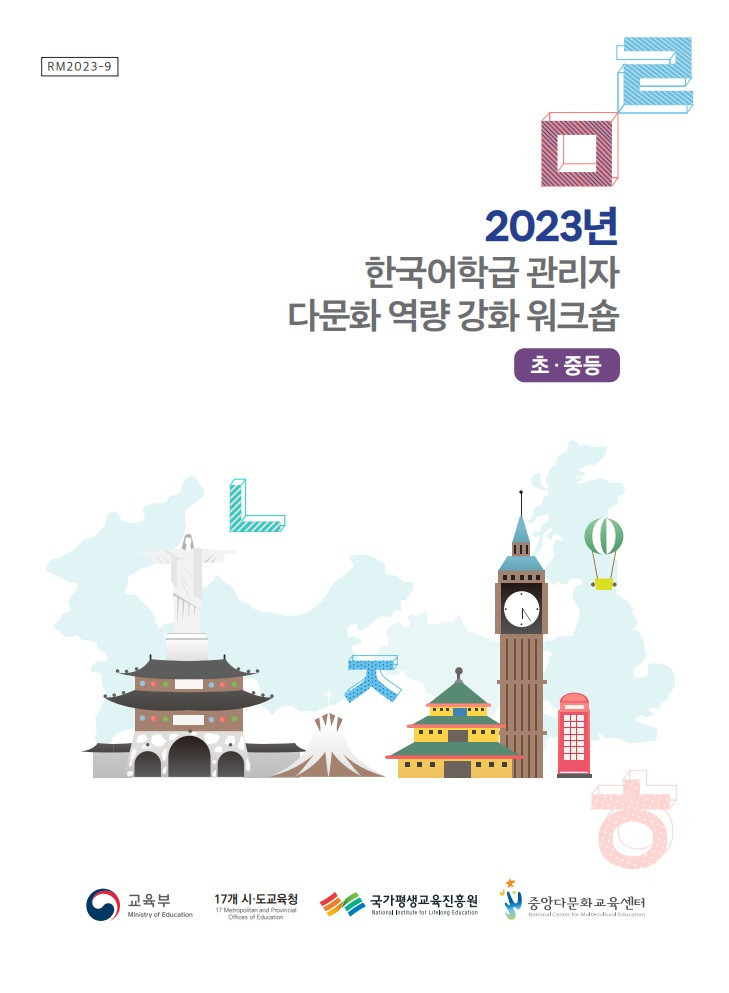 2023년 한국어학급 관리자 다문화 역량 강화 워크숍: 초중등 出版年份: 2023 机构作者: 국가평생교육진흥원 | 중앙다문화교육센터 교육부, 17개 시도교육청, 국가평생교육진흥원, 중앙다문화교육센터 주최로 2023년 4월 25일(화)에 개최되었던 '2023년 한국어학급 관리자 다문화 역량 강화 워크숍'의 초중등용 자료집입니다. 중앙다문화교육센터 홈페이지 자료실(https://www.edu4mc.or.kr/edu/list.html)에서 제목으로 검색하시면 다운받으실 수 있습니다.
  2023학년도 한국어학급 운영 가이드라인: 초중등 出版年份: 2023 机构作者: 국가평생교육진흥원 | 중앙다문화교육센터 본 자료는 다문화교육 정책학교 및 한국어학급 담당 교사의 사업에 대한 이해를 제고하고 운영에 도움을 드리고자 제작하였습니다. 본 자료에서 정하는 바를 참고하되, 초·중·고등학교의 여건과 다문화학생(초·중·고등학생)의 특성 등을 종합적으로 고려하여 운영하시기 바랍니다. 더욱 자세한 사항은 시·도교육청 및 국가평생교육진흥원 중앙다문화교육센터를 통해 안내받으실 수 있습니다.
 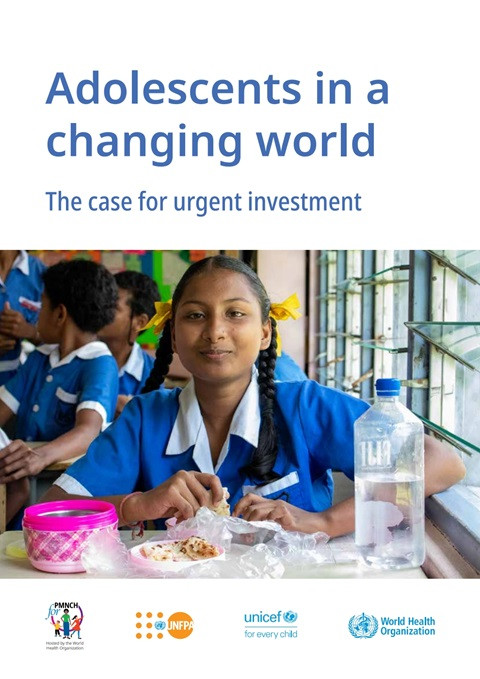 Adolescents in a Changing World: The Case for Urgent Investment 出版年份: 2024 机构作者: World Health Organization (WHO) | United Nations Children's Fund (UNICEF) This report focuses on the strong returns on investment associated with investing in adolescent health and well-being. Today, adolescents make up more than 16% of the world's population. They are a demographic that is often overlooked or misunderstood. Investments in adolescents can reduce inequalities and help to protect their human rights. The economic and social returns from a wide range of investments to address adolescent well-being are significant. The report makes a compelling case for investing in adolescents, they are living in a world facing multifaceted crises, and they will be tomorrow's changemakers and leaders. The staggering cost of inaction is estimated at US$110 trillion over a period of 27 years (2024-50). That amounts to 7.7% of the total GDP of those countries included in the models, which themselves include around 80% of the world's population. Many interventions will yield high returns, including those focused on health services and multisectoral interventions, for example on SRHR, HPV, TB, myopia, education and training, child marriage and road accident prevention. This evidence base is crucial for policymakers, practitioners, researchers, educators, donors, and civil society organizations as we map the road ahead for a better and more sustainable future. Investing in adolescent health and well-being strengthens the human capital of a country, and hence a country's potential for future development and for ending extreme poverty and creating more inclusive societies.