
相关资源
探索丰富的全球公民教育资源,深化理解,促进研究、倡导、教学与学习。
共找到3,500条结果
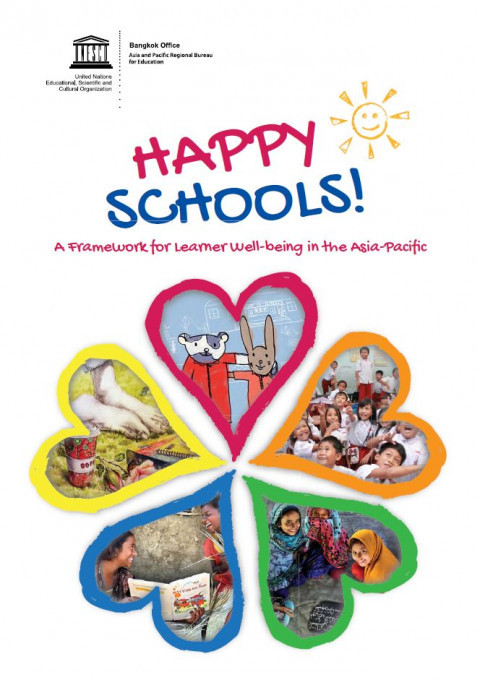 Счастливые школы: Основа благополучия учащихся в Азиатско-Тихоокеанском регионе 出版年份: 2016 机构作者: UNESCO Bangkok Этот региональный доклад был подготовлен Региональным бюро ЮНЕСКО по образованию в Азиатско-Тихоокеанском регионе (ЮНЕСКО, Бангкок). В нем представлены результаты исследования проведенного в рамках проекта «Счастливые школы». Этот отчет, основанный на результатах серии мероприятий, проводимых в рамках проекта «Счастливые школы», признает важную взаимосвязь между счастьем и качеством образования. Он объединяет эти два элемента и призывает системы образования выходить за рамки традиционных областей обучения, чтобы охватить разнообразие талантов и умений, признавая ценности, сильные стороны и компетенции, которые способствуют как повышению счастья, так и благополучию учащихся, но также и их процветать и праздновать свои достижения.
  Mudança climática em sala de aula: curso da UNESCO para professores secundários (fundamental II e ensino médio) sobre educação em mudança climática e desenvolvimento sustentável (EMCDS) 出版年份: 2014 作者: David Selby | Fumiyo Kagawa 机构作者: UNESCO Brasilia This course has been created with the goal of bringing climate change education outside the science classroom into the many other subject areas upon which climate change now has an impact, or will impact in the future, such as ethics, social studies, economics, political science, among others. The course materials are organized into four parts: 1. Course Framework and Overview, 2. Teachers’ Education Course daily materials, 3. Regional Resource Packs, 4. Daily Classroom Materials for teachers. These materials are all described in more detail and can be accessed from the Start Menu found on the following pages. This course is designed to enable teachers at the secondary level from diverse subject areas to introduce climate change education for sustainable development (CCESD) across the curriculum. UNESCO has identified the professional development of teachers in education for sustainable development as the top priority in recognition of the transformative role that teachers and teacher educators need to play in re-orienting education to help realize a sustainable future (UNESCO, 2005, p. 19). But good intentions for the professional development of teachers have fallen short in practice. Although taken up by enthusiasts, teacher education for sustainable development has rarely been mainstreamed, and, where there are courses, is often approached within a disciplinary as opposed to an interdisciplinary frame (Wals, A., 2009). If professional development in education for sustainable development is at an adolescent stage, teacher education in climate change education for sustainable development is in its infancy. For instance, according to a 2009 international comparative study on climate change education and sustainable development in ten countries, climate change education has peripheral status in educational research and practice, and when it is addressed it is only within science education (Læssøe,J. Schnack, K., Breiting, S. & Rolls, S., 2009). There is a clear and present need to respond to climate change challenges through systematic teacher education programmes that are not restricted to a single subject area. This teacher education course is an attempt to fill the current gap and is in line with one of UNESCO’s key objectives for climate change education for sustainable development, that is, to support teacher training on climate change for sustainable development (UNESCO, 2010, p. 9). The programme has four distinctive features: 1. It helps teachers to understand the causes, dynamics and impacts of climate change through a holistic approach. 2. Teachers are exposed to, and experience, a range of pedagogical approaches and techniques, that they can use in their own school environment. This includes engagement of themselves and their students in whole school and school-in-community approaches. 3. Teachers will develop their capacities to facilitate students’ community based learning. 4. Teachers will develop future-oriented and transformative capacities in facilitating climate change mitigation, adaptation, and disaster risk reduction learning.
  환경 시민과 함께하는 2022 대한민국 환경교육 出版年份: 2022 机构作者: 대한민국 환경부 이 발행물은 국민들에게 환경교육 정책과 사업을 알리고 정책의 발전을 함께 고민하고자 하는 목적으로 발행한 홍보물로 대한민국 환경교육 현황과 주요 국가의 초·중·고등학교와 일반인을 대상으로 하는 환경교육 사업을 조사하여 설명하고 있습니다.
 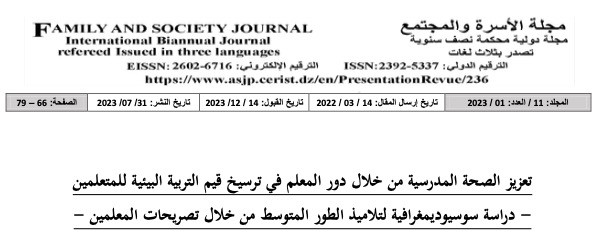 Reinforcing School Health Through The Role Of The Teacher in Establishing The Environmental Education Values For Pupils. A Socio-demographic Study Of Middle School Students Through Teachers' Declaration (vol.11, no.1; Journel of Family and Society) 出版年份: 2023 作者: Khelfaoui Fahima 机构作者: University of Algiers 2 Given the significance of schools, particularly teachers, in environmental preservation, this study aims to explore the role of schools in fostering environmental education values among students. Is there a specific strategy in place for promoting these values? If so, how do teachers take the initiative to implement it for their students? Additionally, suggestions for promoting the concept of an environmental school are provided. تعزيز الصحة المدرسية من خلال دور المعلم في ترسيخ قيم التربية البيئية للمتعلمين - دراسة سوسيوديمغرافية لتلاميذ الطور المتوسط من خلال تصريح المعلمين (vol.11, no.1 مجلة الأسرة والمجتمع) 出版年份: 2023 作者: Khelfaoui Fahima 机构作者: جامعة الجزائر 2 نظرا لأهمية المدرسة و بالأخص المعلم في الحفاظ على البيئة ستحاول الدراسة الاقتراب من المدرسة لمعرفة إلى أي مدى استطاعت أن تساهم في ترسيخ قيم التربية البيئية للمتمدرسين ؟ وهل هناك استراتيجية معتمدة لترسيخ قيم التربية البيئية ؟ و إن كانت ،كيف يبادر المعلم في ترسيخها للتلاميذ ؟ وفي الأخير سنحاول تقديم بعض المقترحات لتفعيل فكرة المدرسة البيئية .
  지속가능발전교육 지도자료: 중학교 1~3학년 교사용 안내서 出版年份: 2020 机构作者: 서울특별시교육청 교육혁신과 기후위기시대, 생태환경에 대한 인식을 제고하고 감수성을 기르기 위한 《2020 지속가능발전교육 중학교 교사용 지도자료》로 교과, 동아리, 자유학기 활동 등 학교 생태전환교육에 활용가능하다. 또한 각 단원별로 지속가능발전목표 17개를 적용할 수 있는 내용으로 구성하였다.
 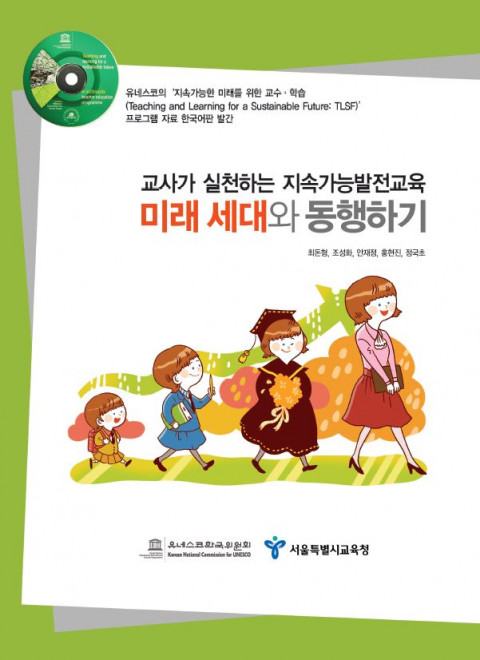 교사가 실천하는 지속가능발전교육: 미래 세대와 동행하기 出版年份: 2011 作者: 최돈형 | 조성화 | 안재정 | 홍현진 | 정국초 机构作者: 서울특별시교육청 | 유네스코한국위원회 이 책은 21세기 환경교육이 지향해야 할 지속가능발전교육(ESD)을 수행할 수 있는 환경교육 분야의 전문가를 양성하고자 국제적으로 활용되고 있는 유네스코 TLSF 프로그램의 27개 모듈을 한국어로 번안하고, 여기에 한국적 맥락의 사례를 추가해 한국 상황에서의 적합성 및 활용 가능성을 제고했다. 이 책은 27개의 모듈을 교육과정 이론(Curriculum Rationale), 교육과정에서의 지속가능발전(Sustainable Development Across the Curriculum), 현시대 쟁점들(Contemporary Issues), 교수 ․ 학습 전략(Teaching and Learning Strategies) 등 4개의 영역으로 분류, 약 120시간 분량으로 구성되어 있다.
 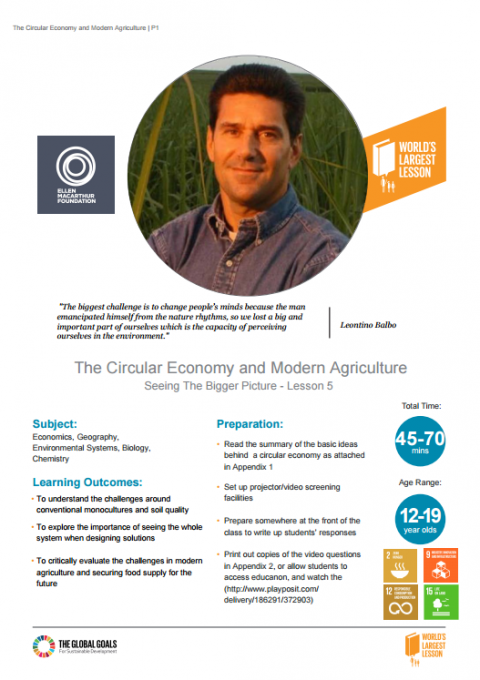 The Circular Economy and Modern Agriculture: Seeing The Bigger Picture - Lesson 5 机构作者: United Nations Children's Fund (UNICEF) World’s Largest Lesson is a collaborative education project to support the announcement of the United Nations Global Goals for Sustainable Development. Learning outcomes of the project: • To understand the challenges around conventional monocultures and soil quality • To explore the importance of seeing the whole system when designing solutions • To critically evaluate the challenges in modern agriculture and securing food supply for the future
 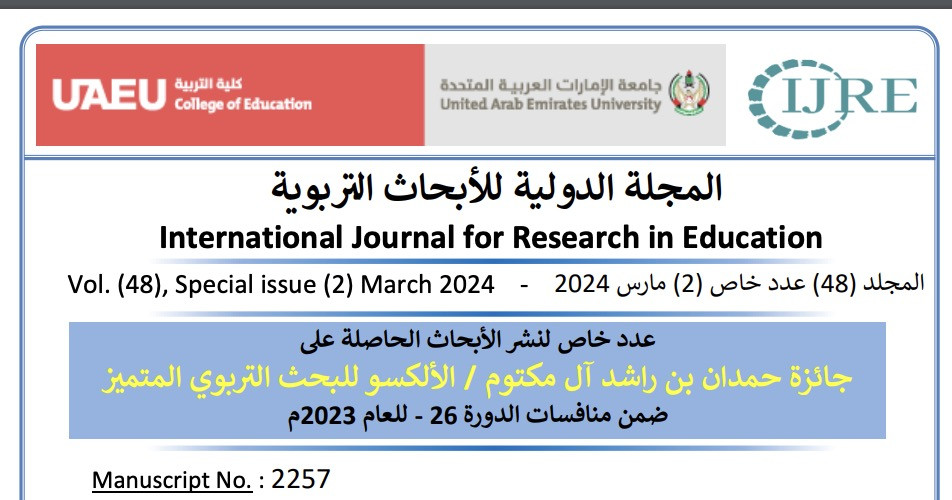 The Impact of a Program Based on Education for Sustainability Principles in Developing Awareness of Climate Change and the Environmental Citizenship Values Among Middle School Students in Slum Areas. (vol.48, no.2; International Journal for Research in Education) 出版年份: 2024 作者: Nermin Awny Mohammad | Ibrahim Ahmed Abdelhady 机构作者: United Arab Emirates University The research aimed to investigate the impact of a program grounded in sustainability education principles on the development of climate change awareness and environmental citizenship values among second-grade middle school students residing in slum areas. The study utilized a quasi-experimental approach. أثر برنامج قائم على مبادئ التربية من أجل الاستدامة في تنمية الوعي بالتغيرات المناخية، وقيم المواطنة البيئية لدى تلاميذ المرحلة المتوسطة بالمناطق العشوائية (vol.48, no.2 المجلة الدولية للأبحاث والتربوية) 出版年份: 2024 作者: Nermin Awny Mohammad | Ibrahim Ahmed Abdelhady 机构作者: United Arab Emirates University هدف البحث إلى الكشف عن أثر برنامج قائم على مبادئ التربية من أجل الاستدامة في تنمية الوعي بالتغيرات المناخية، وقيم المواطنة البيئية لدى تلاميذ الصف الثاني من المرحلة المتوسطة بالمناطق العشوائية، واعتمد البحث على المنهج شبه التجريبي