
相关资源
探索丰富的全球公民教育资源,深化理解,促进研究、倡导、教学与学习。
共找到1,983条结果
 Международная научно-практическая конференция "Вода для устойчивого развития Центральной Азии" 出版年份: 2018 机构作者: Институт водных проблем, гидроэнергетики и экологии Национальной академии наук Таджикистана В настоящий сборник включены материалы Международной научно-практической конференции «Вода для устойчивого развития Центральной азии».В сборнике отражены современное состяние водных ресурсов Центральной Азии и перспективы устойчивого развития.
  Rethinking post-Soviet Society: Multiculturalism in Central Asia 出版年份: 2014 作者: Nurlan Muminov, Zhasulan Orynbaev The article is devoted to the analysis of the post-Soviet society of Central Asia on the example of Uzbekistan and Kazakhstan with reference to the phenomenon of multiculturalism. In addition, the authors will try to answer the following basic questions: what social problems do multinational and multicultural post-Soviet societies face? and how to solve interethnic and intercultural problems of societies of post-Soviet countries in the process of creating each of them their own unitary national state. Переосмысление постсоветское общество: мультикультурализм в странах Центральной Азии 出版年份: 2014 作者: Nurlan Muminov, Zhasulan Orynbaev Статья посвящена анализу постсоветского общества Центральной Азии на примере Узбекистана и Казахстана со ссылкой на феномен мультикультурности. Кроме того, вавторы постараются ответить на следующие основные вопросы: какими общественными проблемами сталкиваются многонациональные и мультикультурные постсоветские общества; и как решаются межэтнические и межкультурные проблемы обществ постсоветских стран в процессе создания каждым из них собственного унитарного национального государства.
  Культурная идентичность таджиков и мультикультурализм 出版年份: 2014 作者: Khamrokhon Zarifi Статья посвящена вопросам истории, культурной идентичности и наследию таджикского народа. Обсуждаются вопросы сохранения и преемственности культурного разнообразия, а также феномен мультикультурализма.
  Tolerance of Kazakhstani society in the context of ensuring the harmony of values 出版年份: 2013 作者: Alma Sagyngali This article discusses the process of multinational Kazakh society searching for its cultural and civilizational identity in the framework of Kazakhstan's building of a social state and integration into the world community. Particular attention is paid to tolerance as a key cultural value. Толерантность казахстанского общества в контексте обеспечения ценностного согласия 出版年份: 2013 作者: Alma Sagyngali В данной статье рассматривается процесс поиска многонациональным казахстанским обществом своей культурно-цивилизационной идентичности в рамках построения Казахстаном социального государства и интеграции в мировое сообщество. Особое внимание уделяется толерантности, как ключевой культурной ценности.
 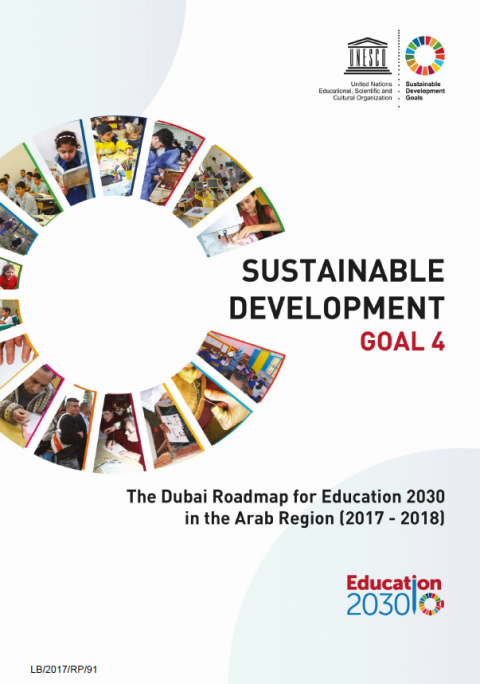 Sustainable Development Goal 4: The Dubai Roadmap for Education 2030 in the Arab Region (2017-2018) 出版年份: 2017 机构作者: UNESCO Beirut SDG 4 agenda inspires us to pursue a humanistic vision of education and development based on human rights and dignity, social justice, protection, cultural diversity, and shared responsibility and accountability. Also, it is underpinned by the principle that education is a public good, a fundamental human right and a basis for guaranteeing the realization of other rights. Furthermore, it is essential for peace, human fulfillment and sustainable development. Having adopted the Arab Regional Roadmap for SDG 4 and Education 2030 (Cairo Roadmap) at ARMED I, we, Arab Member States and partners, have since commenced implementation of the Agenda as appropriate and relevant to national contexts.
 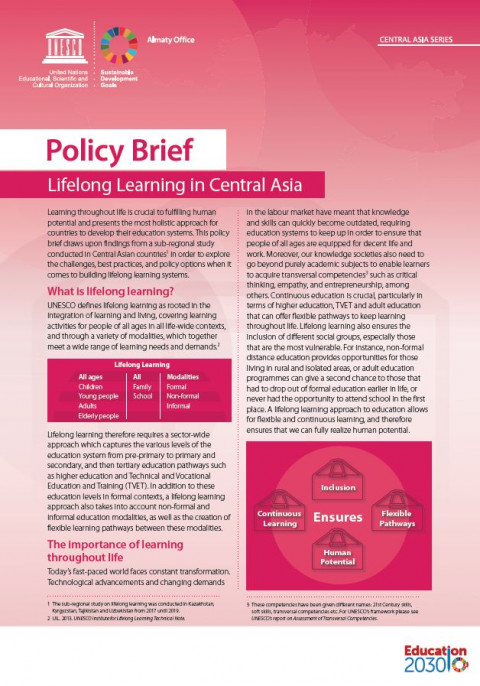 Аналитическая записка: Обучение на протяжении всей жизни в Центральной Азии 出版年份: 2019 机构作者: UNESCO Almaty Обучение на протяжении всей жизни занимает самое центральное место в глобальной повестке дня в области образования и ЦУР4 с обязательным обеспечением "инклюзивного и справедливого качественного образования и возможностей обучения на протяжении всей жизни для всех".Центральноазиатские системы образования добились успеха в обеспечении почти всеобщей грамотности, в том числе среди взрослых, а также во всеобщем предоставлении образования на начальном и среднем уровнях. Однако прежняя система Советского Союза привела к определенной негибкости систем образования в субрегионе, а также их неспособности быстро адаптироваться к разным потребностям учащихся, ставя сложную задачу в обеспечении обучения на протяжении всей жизни.
 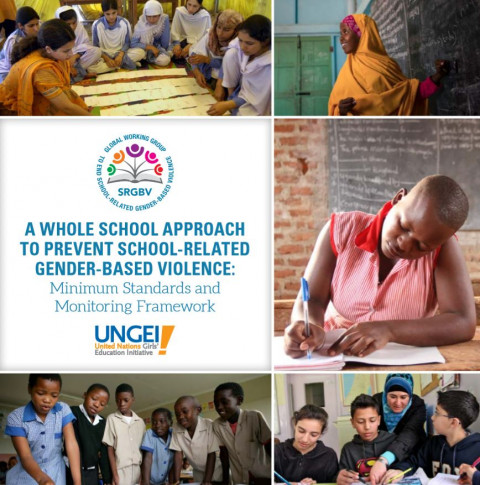 A Whole School Approach to Prevent School-Related Gender-Based Violence 出版年份: 2016 机构作者: United Nations Girls' Education Initiative (UNGEI) The limitations of data collection and monitoring mechanisms around school-related gender-based violence (SRGBV) are widely acknowledged. This guide provides a framework to guide policy makers and practitioners in designing school violence prevention programmes and strengthening response actions. The prevention model is based on eight evidence-based standards and is accompanied by a monitoring approach with a set of proposed indicators at school, district and national levels. The goal is to enable implementation strategies to be adapted and monitored in order to improve data collection and accountability around incidents of SRGBV at the school, district and national levels.
  Educación para transformar vidas: metas, opciones de estrategia e indicadores 出版年份: 2016 机构作者: UNESCO Santiago La educación está en el centro de la agenda de desarrollo sostenible y es esencial para el éxito de todas estas metas. La nueva agenda de educación resumida en el Objetivo 4 es holística, ambiciosa, deseable y universal, yestá inspirada por una visión de que la educación transforma las vidas de las personas, las comunidades y las sociedades. La agenda atiende los temas no resueltos de los objetivos de la Educación para Todos (EPT) ylos ODM relacionados con la educación, al tiempo que aborda de manera efectiva los actuales y futuros desafíos de la educación a nivel mundial y nacional. Está basada en los derechos y está inspirada en una visión humanista de la educación y el desarrollo, con base en los principios de la dignidad humana, los derechos igualitarios, la justicia social, la paz, la diversidad cultural y la responsabilidad compartida. Basándose y continuando con el movimiento EPT, Educación 2030 toma en cuenta lecciones aprendidas desde 2000. Lo que es nuevo en esta agenda es su enfoque en mayores y más amplios resultados en el acceso, la equidad e inclusión, calidad y aprendizaje, además de un aprendizaje a lo largo de toda la vida.