
相关资源
探索丰富的全球公民教育资源,深化理解,促进研究、倡导、教学与学习。
共找到1,402条结果
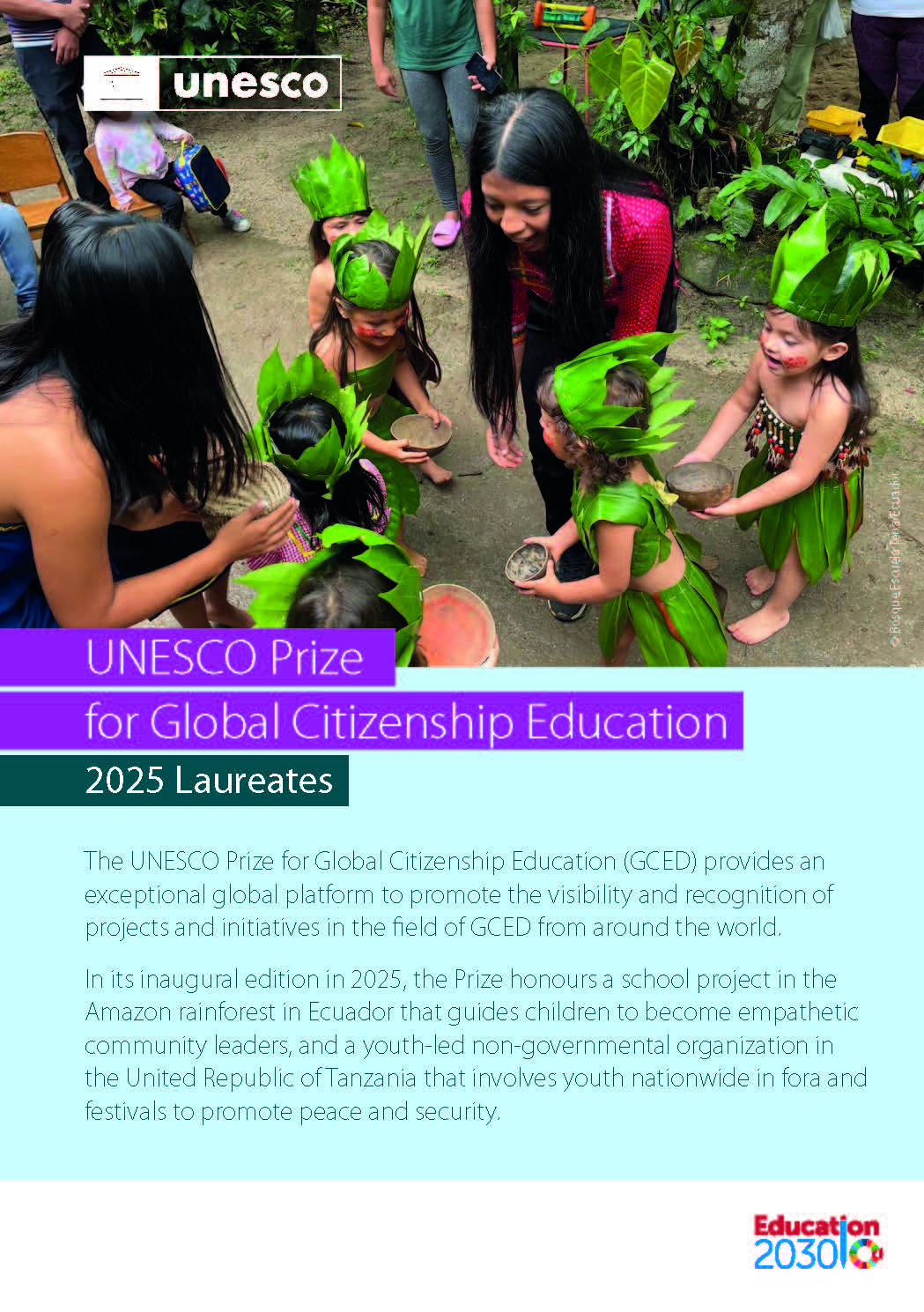 UNESCO Prize for Global Citizenship Education 2025 Laureates 出版年份: 2025 机构作者: UNESCO The UNESCO Prize for Global Citizenship Education (GCED) provides an exceptional global platform to promote the visibility and recognition of projects and initiatives in the field of GCED from around the world.In its inaugural edition in 2025, the Prize honours a school project in the Amazon rainforest in Ecuador that guides children to become empathetic community leaders, and a youth-led non-governmental organization in the United Republic of Tanzania that involves youth nationwide in fora and festivals to promote peace and security.
 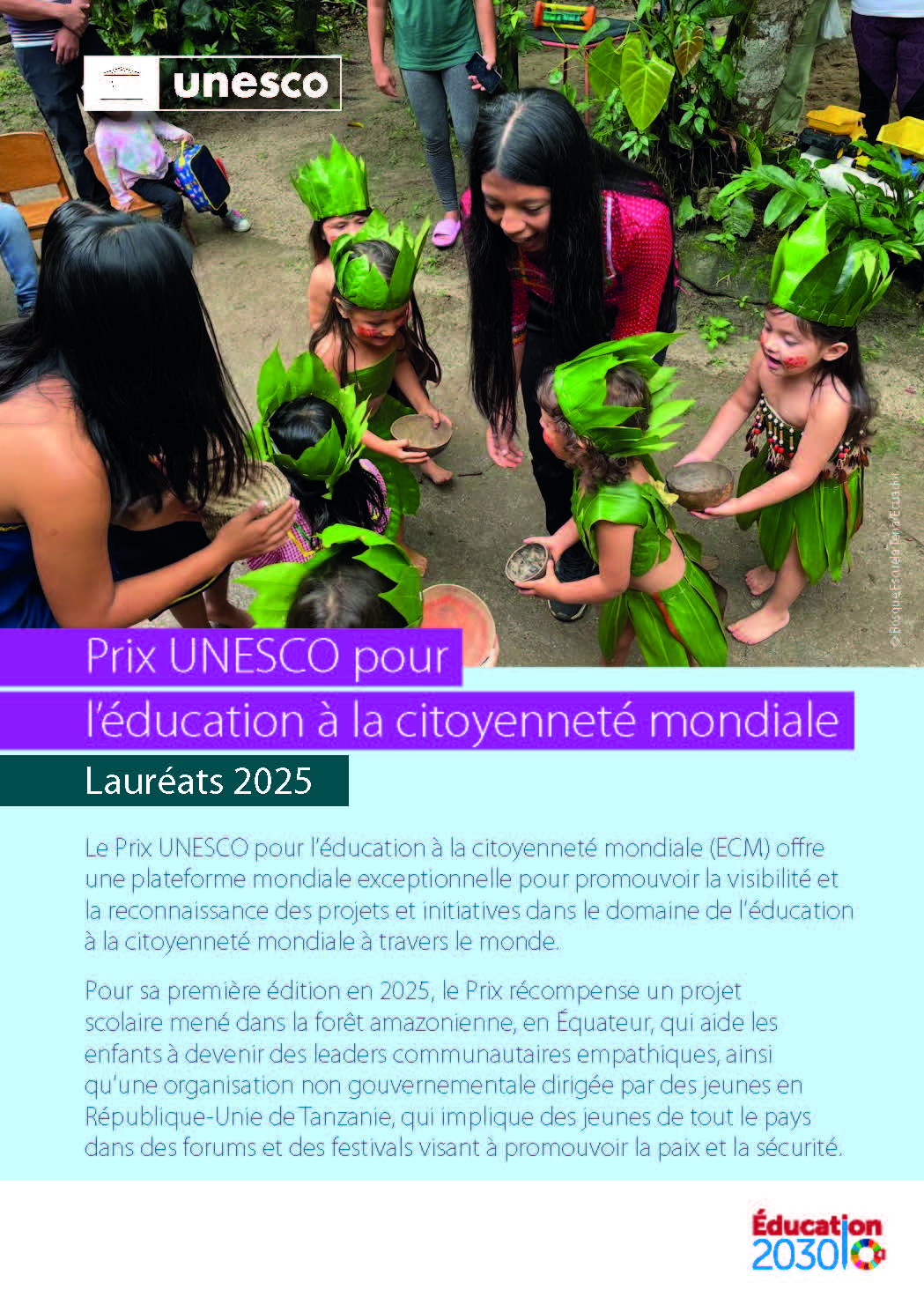 Prix UNESCO pour l’éducation à la citoyenneté mondiale : lauréats 2025 出版年份: 2025 机构作者: UNESCO Le Prix UNESCO pour l’éducation à la citoyenneté mondiale (ECM) offre une plateforme mondiale exceptionnelle pour promouvoir la visibilité et la reconnaissance des projets et initiatives dans le domaine de l’éducation à la citoyenneté mondiale à travers le monde.Pour sa première édition en 2025, le Prix récompense un projet scolaire mené dans la forêt amazonienne, en Équateur, qui aide les enfants à devenir des leaders communautaires empathiques, ainsi qu’une organisation non gouvernementale dirigée par des jeunes en République-Unie de Tanzanie, qui implique des jeunes de tout le pays dans des forums et des festivals visant à promouvoir la paix et la sécurité.
  UNESCO Associated Schools Network (ASPnet) Strategic Framework for Action 2025-2029: Building Peaceful and Sustainable Futures through Transformative Education 出版年份: 2025 机构作者: UNESCO The ASPnet Strategic Framework explains how UNESCO's pioneering Associated Schools Network (ASPnet) contributes to the achievement of UNESCO’s strategic objectives for Education. This Framework outlines the key thematic areas, innovative educational approaches, and the anticipated outcomes of this dynamic community of educational innovators. It also delineates the roles and responsibilities of its primary stakeholders. The three thematic areas are : "Peace through Global Citizenship Education," "Education for Sustainable Development," and "Intercultural Learning and Appreciation of Cultural Diversity and Heritage." Through initiatives in these areas, ASPnet members inspire and empower teachers, principals, students, families, education professionals, and policymakers to champion transformative education. This prepares learners to become responsible global citizens in an ever-evolving and complex world. Ultimately, the goal is for all participants in this ecosystem to learn from one another and promote international understanding. Red de Escuelas Asociadas de la UNESCO (RedPEA) Marco Estratégico de Acción 2025-2029 : construyendo futuros pacíficos y sustentables a través de la educación transformadora 出版年份: 2025 机构作者: UNESCO El Marco Estratégico de la RedPEA explica cómo la pionera Red de Escuelas Asociadas de la UNESCO contribuye a la consecución de los objetivos estratégicos de la UNESCO en materia de educación. Este Marco esboza las áreas temáticas clave, los enfoques educativos innovadores y los resultados previstos por parte de esta dinámica comunidad de innovadores educativos. También delimita las funciones y responsabilidades de sus principales actores. Las tres áreas temáticas son : «La paz mediante la educación para la ciudadanía mundial», “La educación para el desarrollo sostenible” y “El aprendizaje intercultural y la apreciación de la diversidad y el patrimonio culturales”. A través de iniciativas en estas áreas, los miembros de la RedPEA inspiran y capacitan a docentes, directores, estudiantes, familias, profesionales de la educación y funcionarios públicos para defender una educación transformadora. Esto prepara a los alumnos para convertirse en ciudadanos globales responsables en un mundo complejo y en constante evolución. En última instancia, el objetivo es que todos los participantes en este ecosistema aprendan unos de otros y promuevan el entendimiento internacional. Red de Escuelas Asociadas de la UNESCO (RedPEA) Marco Estratégico de Acción 2025-2029 : construyendo futuros pacíficos y sustentables a través de la educación transformadora 出版年份: 2025 机构作者: UNESCO Le Cadre stratégique du réSEAU explique comment le Réseau des écoles associées de l’UNESCO (réSEAU), pionnier en la matière, contribue à la réalisation des objectifs stratégiques de l’UNESCO pour l’éducation. Ce Cadre définit les principaux axes thématiques, les approches éducatives innovantes ainsi que les résultats attendus de cette communauté dynamique d’innovateurs en matière d’éducation. Il précise également les rôles et responsabilités de ses principaux acteurs. Les trois axes thématiques sont : « La construction de la paix par l’éducation à la citoyenneté mondiale », « L’éducation au développement durable » et « L’apprentissage interculturel et l’appréciation de la diversitéculturelle et du patrimoine ». À travers des initiatives dans ces domaines, les membres du réSEAU inspirent et renforcent les capacités autonomisent des enseignants, des chefs d’établissement, des élèves, des familles, des professionnels de l’éducation et des décideurs afin qu’ils portent une éducation transformatrice. Cela prépare les apprenants à devenir des citoyens du monde responsables dans un monde contexte mondial en constante évolution et de plus en plus complexe. En définitive, l’objectif est que tous les acteurs de cet écosystème puissent apprendre les uns des autres et promouvoir la compréhension internationale..
 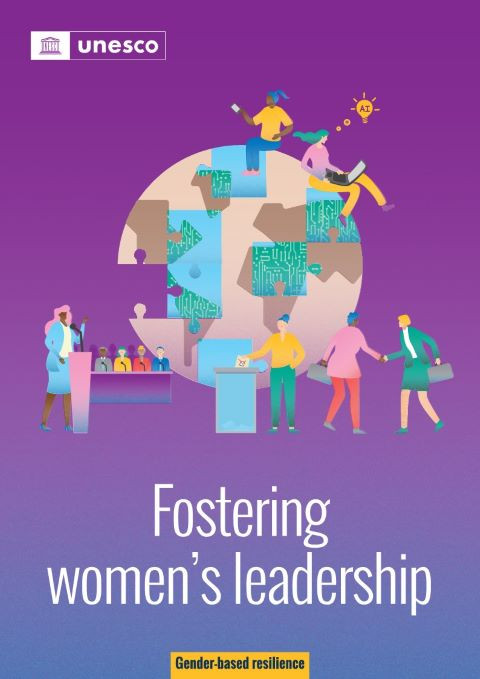 Fostering Women's Leadership 出版年份: 2024 作者: Mariagrazia Squicciarini | Anna Rita Manca | Garance Sarlat 机构作者: UNESCO No (leadership) share no gain (for societies and economies)! Leveraging UNESCO’s unique Gender-Based Resilience Framework, this report explores the role of women in leadership positions in both decision-making and high-tech, including in artificial intelligence-related innovations. It further highlights progress towards the G20 Brisbane Target, aimed to accelerate progress on gender equality by reducing the gender gap in labour market participation rates by 25% by 2025. Women remain underrepresented in decision-making, holding only about 26% of seats in national parliaments worldwide on average. In the world of work, female labour participation continues to lag behind men’s, at 47% for women against 72% for men on average. Despite progress by G20 members towards the Brisbane Target, a 2% average gap in absolute terms remained to be filled in 2022. In the high-tech world, women make up only 30% of AI professionals, and even less of leaders. Female inventors in AI account for about 37% of patents filed in 2022-23.
  Journée internationale de l’éducation 2025 : L’intelligence artificielle et l’éducation : préserver l’autonomie dans un monde automatisé 出版年份: 2025 机构作者: UNESCO La Journée internationale de l’éducation 2025 vise à : Examiner les nouvelles possibilités offertes par l’IA, en particulier pour l’enseignement, l’apprentissage, l’évaluation et l’administration éducative. Promouvoir le développement de compétences critiques en matière d’IA en dotant les éducateurs et les apprenants des aptitudes nécessaires pour comprendre, utiliser et influencer les technologies d’IA, conformément aux cadres de compétences en IA de l’UNESCO pour les enseignants et les élèves. Veiller à ce que l’IA complète, plutôt qu’elle ne remplace, les éléments humains essentiels de l’apprentissage, notamment le développement des relations en présentiel et de l’intelligence émotionnelle.
 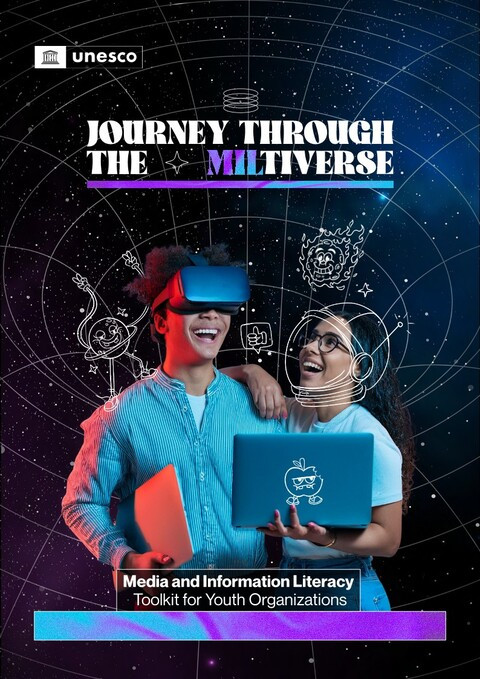 Journey through the MILtiverse: Media and Information Literacy Toolkit for Youth Organizations 出版年份: 2024 作者: Sandra Acero Pulgarin | Natalia González-Gil | Alejandro Santamaría Virviescas 机构作者: UNESCO Empowering Youth Organizations with and for Media and Information LiteracyIn an era where digital interactions dominate, young people must be equipped with more than just basic digital literacy skills. Media and Information Literacy (MIL) has become an essential competency, enabling them to critically navigate the overwhelming ow of information in our fast-paced and complex information ecosystem. \With the Internet user base getting younger every day — data shows that one in three internet users is a child — countries worldwide are increasingly working on integrating MIL into their education systems. Despite these advancements, many young people still grapple with challenges such as disinformation, hate speech, and other harmful online content. Additionally, new technologies continue to emerge, creating challenges with unknown impacts. For example, 80% of young people aged 10 to 24 use AI multiple times a day for education, entertainment, and other purposes. Global youth organizations are at the forefront of UNESCO’s eorts to promote MIL among young people through informal education. This toolkit serves as a primary resource to help these organizations incorporate MIL into their strategies, policies, and operations, aiming to make MIL a lasting component of their practices and peer-to-peer educational programs. Join us on this journey through the MILtiverse and empower the next generation by making MIL a fundamental life competence for their futures.
 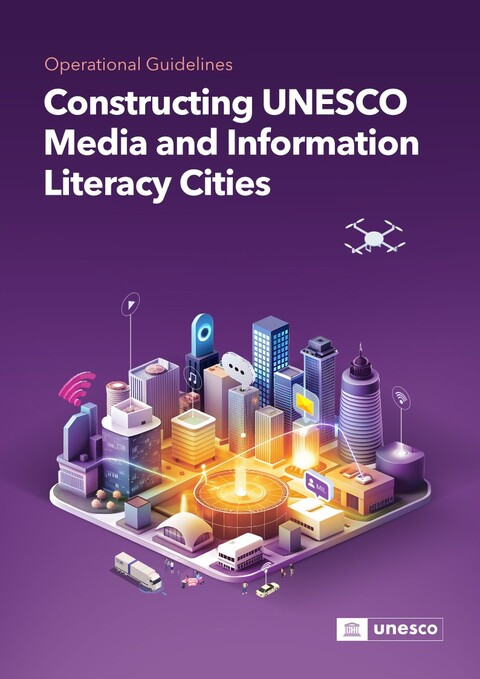 Operational Guidelines: Constructing UNESCO Media and Information Literacy Cities 出版年份: 2024 机构作者: UNESCO To support the integration of media and information literacy in urban spaces, UNESCO is releasing operational guidelines for city governance stakeholders. These guidelines aim to help cities align their goals with the benefits of integrating MIL into physical and virtual spaces.The guidelines offer examples of actions for cities interested in pioneering the MIL Cities. Cities are encouraged to share their progress and achievements with UNESCO for future initiatives.All cities and municipalities can participate, regardless of size, internet penetration, or technology use. The guidelines aim to foster diverse partnerships at the municipal level for implementing MIL actions and programmes. Directrices operativas: construyendo Ciudades de Alfabetización Mediatica eIinformacional de la UNESCO 出版年份: 2024 机构作者: UNESCO Con miras a apoyar la integración de la alfabetización mediática e informacional en los entornos urbanos, la UNESCO publica directrices operativas para las partes interesadas en la gobernanza de las ciudades. Estas directrices procuran ayudar a las ciudades a alinear sus objetivos con los beneficios de integrar la AMI en espacios físicos y virtuales.Las directrices ofrecen ejemplos de actividades a las ciudades interesadas en ser pioneras en “Ciudades AMI”. Se les alienta a compartir sus avances y logros con la UNESCO para la elaboración de iniciativas en el futuro.Todas las ciudades y municipios pueden participar, independientemente de su tamaño, penetración de Internet o utilización de tecnología. Las directrices intentan propiciar asociaciones diversas a nivel municipal con objeto de ejecutar actividades y programas AMI.