
The Intersections Between Education, Migration and Displacement are not gender-neutral (Global Education The Intersections between Education, Migration and Displacement Monitoring Report, 2019)
- المؤلف المؤسسي
- منظمة الأمم المتحدة للتربية والعلم والثقافة (UNESCO)
- الترتيب
- 8 p.
- لغة المورد
- الإنجليزية
- سنة النشر
- 2019
- أنواع الموارد
- الأوراق البحثية/ مقالات المجالات
- مستوى التعليم
- التعليم غير الرسمي
- المناطق
- جميع دول العالم
- مكان النشر
- Paris
The 2019 Global Education Monitoring Report emphasized the need to include migrants and refugees in national education systems, and also called for more planning to respond to the needs of these populations. As this short review has outlined, many of these needs have gender dimensions. These range from the vulnerability of rural‑to‑urban migrant girls who end up as domestic workers deprived of education opportunities to the vulnerability of refugee boys, often unaccompanied, who have limited opportunities to develop their skills. They encompass the deskilling of international migrant women in the ‘global care chain’ as well as the increasing chore burden that left‑behind girls face when a parent migrates.
Still, research on the experiences of girls and women or boys and men in migration and displacement contexts – and how these can be affected by education – remains limited. More analysis on the intersection of gender, education, migration and displacement is needed on a wide variety of issues, including the gender-specific dimensions of remittance use, gender-responsive teaching practices and the empowerment impact of non-formal education opportunities. To fulfil their potential for instilling resilience, education systems need to recognize these needs and respond to them.
موارد ذات صلة
-
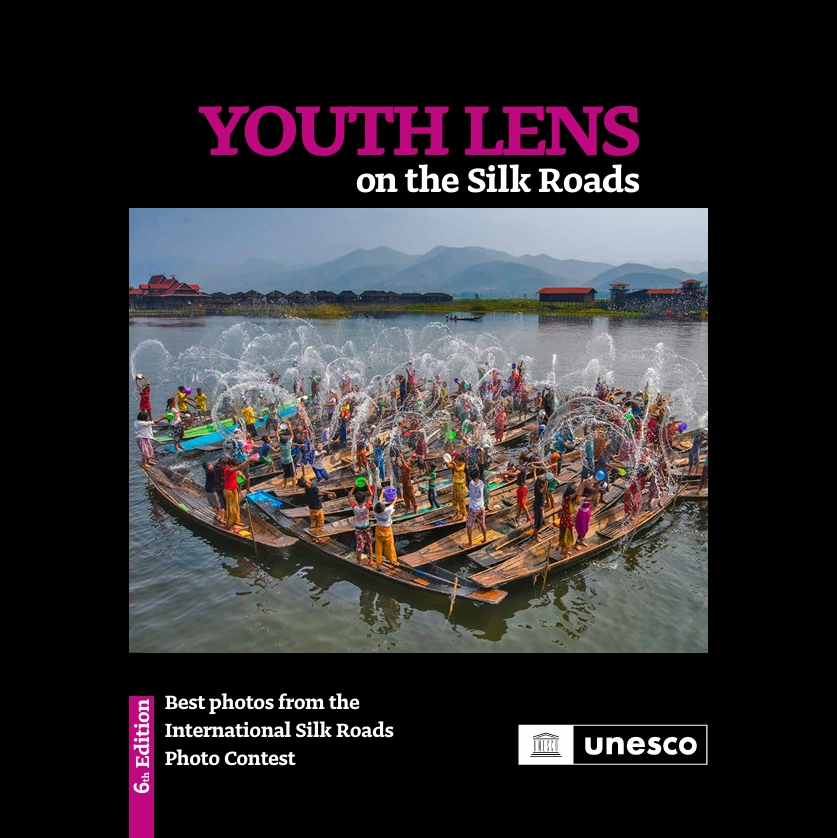 Youth Lens on the Silk Roads: Best Photos from the International Silk Roads Photo Contest; 6th Edition
 -
 Addressing Violent Pasts through Education: A Policy Guide
 -
 UNESCO Framework for Culture and Arts Education: Implementation Guidance
 -
 The Representation of Jews, Judaism and Antisemitism in School Textbooks and Curricula in Europe