
الموارد
استكشف مجموعة واسعة من الموارد القيمة حول تعليم المواطنة العالمية لتعميق فهمك وتعزيز البحث والمناصرة والتعليم والتعلم.
تم العثور على 684 نتيجة
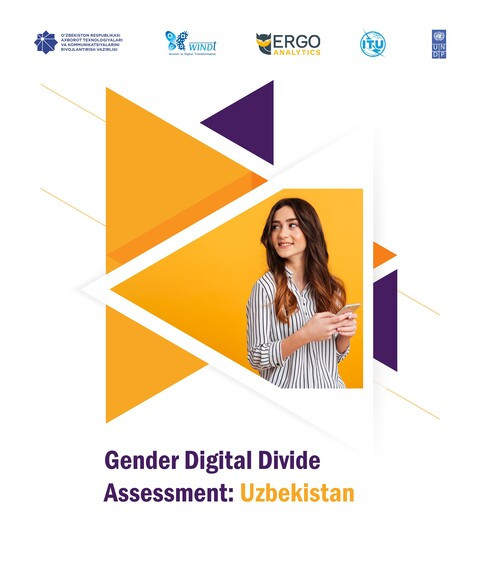 Оценка гендерного цифрового разрыва: Республика Узбекистан سنة النشر: 2023 المؤلف المؤسسي: UNDP Uzbekistan Правительство Республики Узбекистан, осознавая негативное влияние гендерного цифрового разрыва на развитие страны, включило вопрос обеспечения гендерного цифрового равенства в число своих приоритетов. Программа развития ООН в Узбекистане провела оценку с целью измерения и анализа основных факторов, влияющих на цифровую инклюзию (или изоляцию) женщин и девочек, и рекомендовала ряд действий, которые правительство может предпринять для устранения существующих разрывов.
 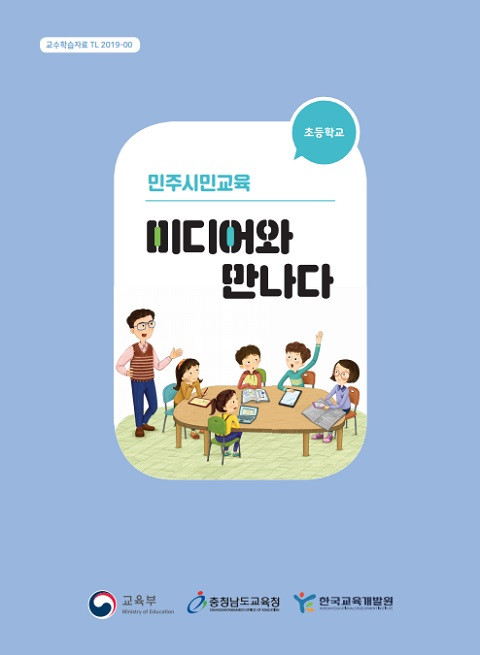 민주시민교육, 미디어와 만나다: 초등학교 سنة النشر: 2020 المؤلف المؤسسي: 한국교육개발원 | 대한민국 교육부 | 충청남도교육청 본 자료는 민주시민교육과 미디어리터러시 교육 간의 연계성을 강화하여 민주시민교육과 관련한 수업에 활용하도록 개발된 교수·학습 자료이다. 자율, 존중, 연대, 정의, 평화 등 민주시민교육의 주요 주제들을 기반으로 총 5개 단원, 15개 차시로 구성되어, 교과 및 창의적 체험활동 등 교육 활동 전반에서 활용할 수 있다. 또한, 2015 개정교육과정과 연계하여 활용할 수 있도록 국어, 도덕, 사회 교과의 성취 기준을 토대로 내용과 활동을 편성하고, 활동 중심 수업을 통해 학생이 실천적인 민주시민의식을 함양할 수 있도록 단원을 구성하였다.
 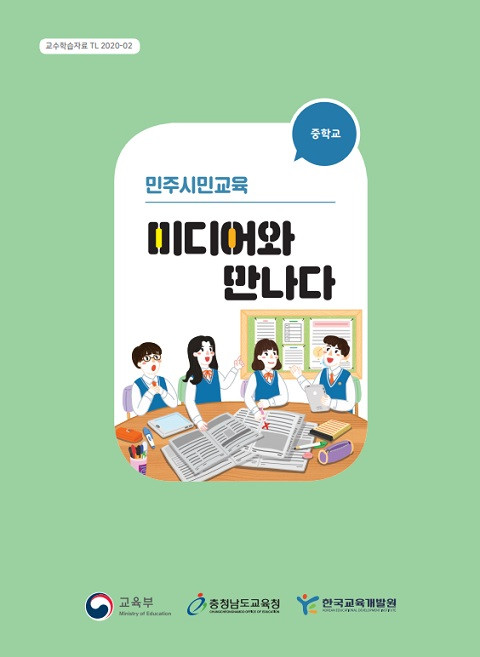 민주시민교육, 미디어와 만나다: 중학교 سنة النشر: 2020 المؤلف: 주민정 | 고선화 | 이연희 | 전현영 | 최연주 المؤلف المؤسسي: 한국교육개발원 | 대한민국 교육부 | 충청남도교육청 본 자료는 민주시민교육과 미디어리터러시 교육 간의 연계성을 강화하여 민주시민교육과 관련한 수업에 활용하도록 개발된 교수·학습 자료이다. 자율, 존중, 연대, 정의, 평화 등 민주시민교육의 주요 주제들을 기반으로 총 5개 단원, 15개 차시로 구성되어, 교과 및 창의적 체험활동 등 교육 활동 전반에서 활용할 수 있다. 또한, 2015 개정교육과정과 연계하여 활용할 수 있도록 국어, 도덕, 사회(일반사회), 역사, 미술 교과의 성취 기준을 토대로 내용과 활동을 편성하고, 활동 중심 수업을 통해 학생이 실천적인 민주시민의식을 함양할 수 있도록 단원을 구성하였다. 수업 대상은 중학교 1학년에서 3학년이다.
 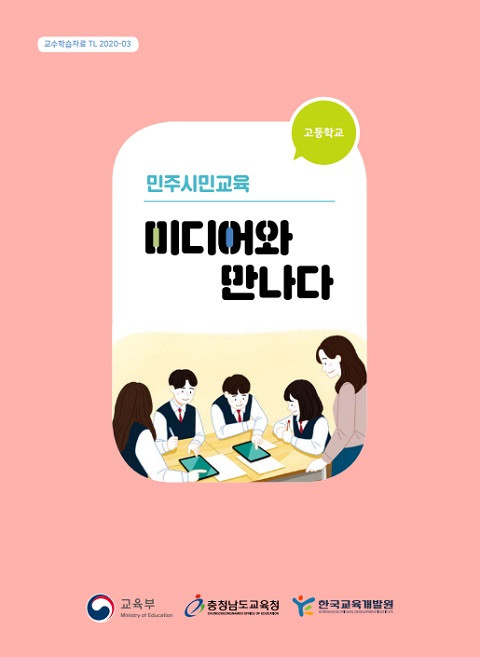 민주시민교육, 미디어와 만나다: 고등학교 سنة النشر: 2020 المؤلف: 나윤숙 | 김태현 | 임지예 | 정병연 | 조미옥 المؤلف المؤسسي: 한국교육개발원 | 대한민국 교육부 | 충청남도교육청 ‘민주시민교육, 미디어와 만나다’는 민주시민교육과 미디어리터러시 교육 간의 연계성을 강화하여 민주시민교육과 관련한 수업에 손쉽게 활용할 수 있도록 개발된 자료이다. 이를 통해 민주시민교육에 관심이 있는 선생님들에게 교과, 창의적 체험활동 등 교육활동 전반에 활용할 수 있는 교수-학습 자료를 제공하고자 하였다. 아울러 민주시민교육의 주제별 협력학습, 토론 수업 및 프로젝트 학습 등에 활용 가능한 교육 콘텐츠를 지원하고자 한다. 수업 대상은 고등학교 1학년이다. 다만 학습 주제, 성취기준, 학교 및 교실 여건 등을 고려하여 적용 대상을 달리하여 활용 가능하다.
 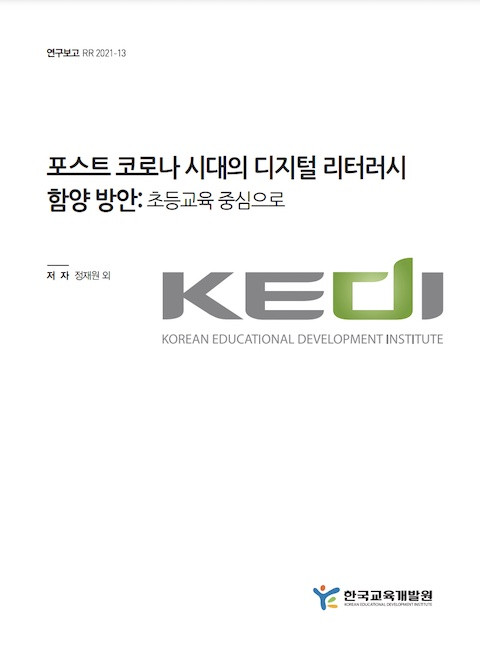 포스트 코로나 시대의 디지털 리터러시 함양 방안: 초등교육 중심으로 سنة النشر: 2021 المؤلف: 정재원 | 강성국 | 김은영 | 박효원 | 손찬희 | 정광희 | 남창우 | 신윤희 المؤلف المؤسسي: 한국교육개발원 본 연구는 포스트 코로나 시대의 디지털 리터러시 함양 방안 마련에 대한 연구로서, FGI, 설문조사, 전문가 델파이조사 등 다양한 과정을 통해 포스트 코로나 시대의 디지털 리터러시 개념과 구성요소를 분석하고 초등학생의 디지털 리터러시 함양 방안을 제시하고 있다. 특히, 초등학생의 디지털 리터러시는 학부모와 교사의 영향을 받는다는 점에서 학생의 디지털 리터러시 함양을 지원하기 위한 학부모와 교사의 디지털 리터러시 함양 방안도 함께 제시하였다.본 저작물은 한국교육개발원에서 2021년 작성하여 공공누리 제 4유형으로 개방한 ‘포스트 코로나 시대의 디지털 리터러시 함양 방안: 초등교육 중심으로 (정재원, 강성국, 김은영, 박효원, 손찬희, 정광희, 남창우, 신윤희)’ 을 이용하였으며 해당 저작물은 한국교육개발원 홈페이지 (www.kedi.re.kr)에서 무료로 다운받으실 수 있습니다.
 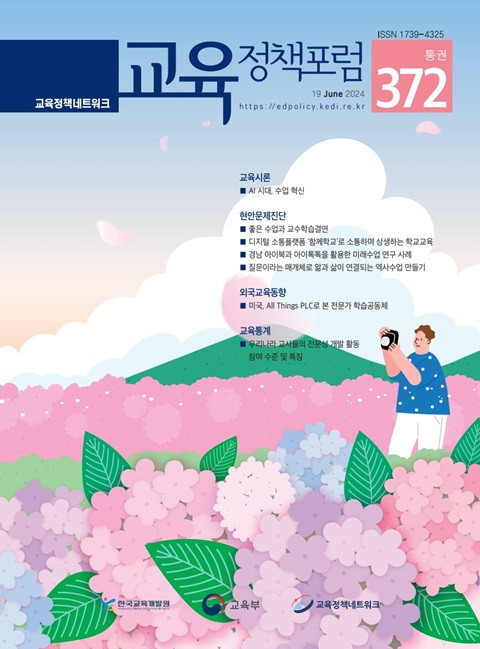 AI 시대, 수업 혁신 (교육정책포럼; 2024년 6월, Vol. 372) سنة النشر: 2024 المؤلف المؤسسي: 한국교육개발원 교육시론ㅁ AI 시대, 수업 혁신 현안문제진단ㅁ 좋은 수업과 교수학습결연ㅁ 디지털 소통플랫폼 '함께학교'로 소통하며 상생하는 학교교육ㅁ 경남 아이북과 아이톡톡을 활용한 미래수업 연구 사례ㅁ 질문이라는 매개체로 앎과 삶이 연결되는 역사수업 만들기 외국교육동향ㅁ All Things PLC로 본 전문가 학습공동체 교육통계ㅁ 우리나라 교사들의 전문성 개발 활동 참여 수준 및 특징
 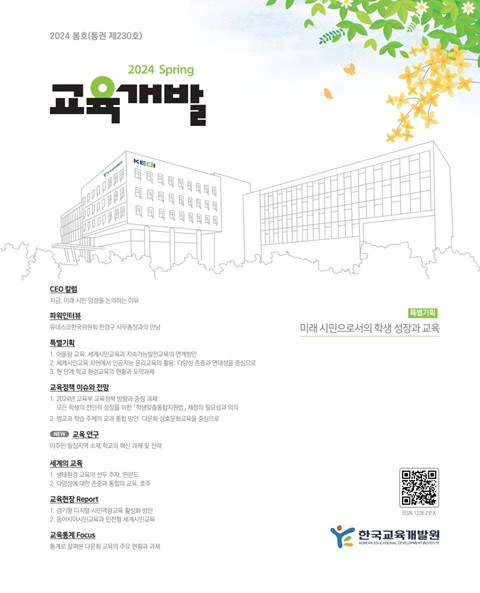 미래 시민으로서의 학생 성장과 교육 (교육개발; 2024년 봄호, Vol. 230) سنة النشر: 2024 المؤلف المؤسسي: 한국교육개발원 CEO 칼럼지금, 미래 시민 양성을 논의하는 이유 파워인터뷰유네스코한국위원회 한경구 사무총장과의 만남 특별기획미래 시민으로서의 학생 성장과 교육1.어울림 교육: 세계시민교육과 지속가능발전교육의 연계방안2.세계시민교육 차원에서 인공지능 윤리교육의 활용: 다양성 존중과 연대성을 중심으로3.현 단계 학교 환경교육의 현황과 도약과제 교육정책 이슈와 전망1. 2024년 교육부 교육정책 방향과 중점 과제: 모든 학생의 전인적 성장을 위한 「학생맞춤통합지원법」제정의 필요성과 의의2. 범교과 학습 주제의 교과 통합 방안: 다문화·상호문화교육을 중심으로 NEW 교육 연구이주민 밀집지역 소재 학교의 혁신 과제 및 전략 세계의 교육1.생태환경 교육의 선두 주자, 핀란드2.다양성에 대한 존중과 통합의 교육, 호주 교육현장 Report1.경기형 디지털 시민역량 교육 활성화 방안2.동아시아시민교육과 인천형 세계시민교육 교육통계 Focus통계로 살펴본 다문화 교육의 주요 현황과 과제
 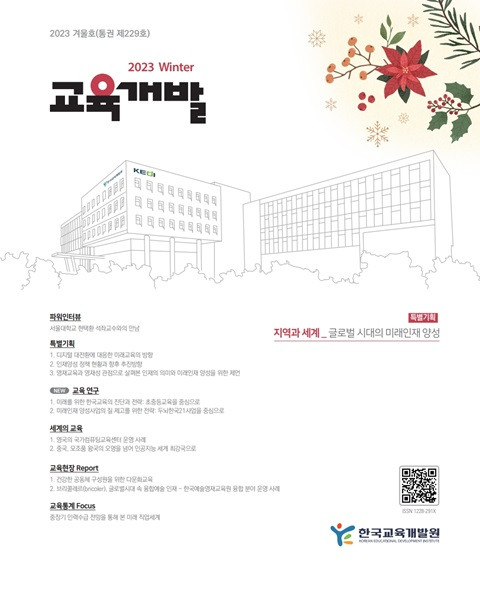 지역과 세계: 글로벌 시대의 미래인재 양성 (교육개발; 2023년 겨울호, Vol. 229) سنة النشر: 2023 المؤلف المؤسسي: 한국교육개발원 파워인터뷰서울대학교 현택환 석좌교수와의 만남 특별기획지역과 세계 _ 글로벌 시대의 미래인재 양성1.디지털 대전환에 대응한 미래교육의 방향2.인재양성 정책 현황과 향후 추진방향3.영재교육과 영재성 관점으로 살펴본 인재의 의미와 미래인재 양성을 위한 제언 NEW 교육 연구1. 미래를 위한 한국교육의 진단과 전략: 초중등교육을 중심으로2. 미래인재 양성사업의 질 제고를 위한 전략: 두뇌한국21사업을 중심으로 세계의 교육1. 영국의 국가컴퓨팅교육센터 운영 사례2. 중국, 모조품 왕국의 오명을 넘어 인공지능 세계 최강국으로 교육현장 Report 1. 건강한 공동체 구성원을 위한 다문화교육2. 브리콜레르(bricoler), 글로벌시대 속 융합예술 인재 - 한국예술영재교육원 융합 분야 운영 사례 교육통계 Focus중장기 인력수급 전망을 통해 본 미래 직업세계
 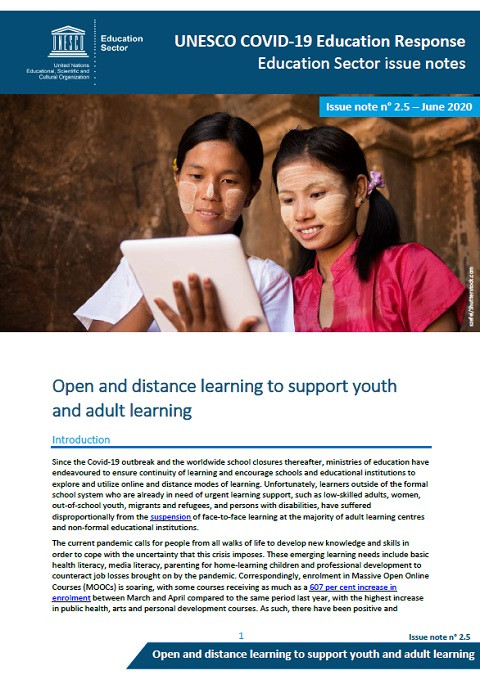 UNESCO COVID-19 Education Response: Open and Distance Learning to Support Youth and Adult Learning (Education Sector Issue Note; No. 2.5 – June 2020) سنة النشر: 2020 المؤلف المؤسسي: UNESCO Institute for Lifelong Learning (UIL) A new UNESCO issue note, produced by the UNESCO Institute for Lifelong Learning (UIL), aims to support education policy-makers and planners in ensuring open and distance learning to support youth and adult learning in the context of the current pandemic, now and in its aftermath.Since the COVID-19 outbreak and the worldwide school closures that followed, ministries of education have endeavoured to ensure continuity of learning and encourage schools and educational institutions to explore and utilize online and distance modes of learning. Unfortunately, learners outside of the formal school system who are already in need of urgent learning support, such as low-skilled adults, women, out-of-school youth, migrants and refugees, and persons with disabilities, have suffered disproportionally from the suspension of face-to-face learning at the majority of adult learning centres and non-formal educational institutions.The current pandemic calls for people from people from all socio-economic backgrounds, wherever they live in the world, to develop new knowledge and skills in order to cope with the uncertainty that this crisis imposes. These learning needs include basic health literacy, media literacy, parenting for home-schooling children and professional development to counteract job losses brought on by the pandemic. Correspondingly, enrolment in massive open online courses (MOOCs) is soaring. As such, there have been positive and demand-driven trends in exploring alternative options, such as open and distance learning (ODL), to ensure the continuity and expansion of non-formal education and adult learning.This issue note takes stock of opportunities and challenges in using ODL, both online and offline as defined in the UNESCO Issue Note on Distance Learning Strategies, for youth and adult learners outside the formal education system. After examining key issues and illustrating promising cases from public and private sectors, it provides key messages for policy interventions to support inclusive lifelong learning for youth and adults during and after the current pandemic.UNESCO Education Sector’s issue notes cover key topics related to the COVID-19 education response.
 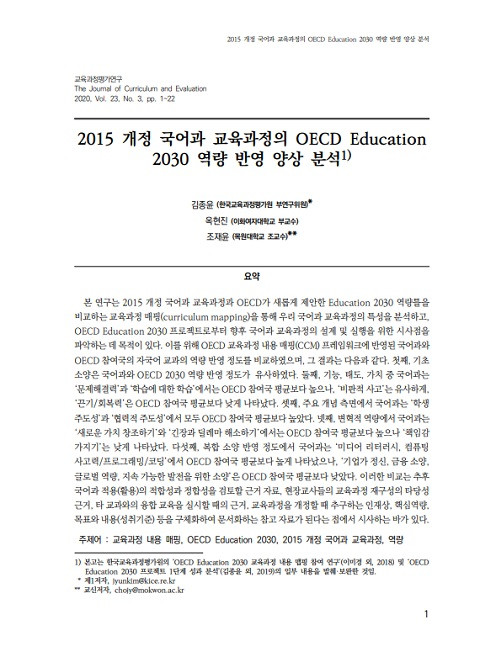 Analysis of the 2015 Revised Korean Languages Curriculum in Terms of the OECD Education 2030 Competencies (Journal of Curriculum and Evaluation; Vol. 23. No. 3) سنة النشر: 2020 المؤلف: Jongyun Kim | Hyounjin Ok | Jaeyoon Cho المؤلف المؤسسي: Korea Institute for Curriculum and Evaluation (KICE) The purpose of this study is to analyze the characteristics of the Korean language curriculum through curriculum content mapping (CCM) in the OECD Education 2030 project, which is later compared with the international curricular of the national languages. The CCM framework consists of a “competency code” that presents OECD competencies and a “content code” that contains the content of the curriculum. In this study, the degree of the competencies in the Korean language curriculum is analyzed and compared with the international curricular in terms of the OECD perspective. The result is analyzed as follows. First, foundational literacies of Korean were similar to the international national language curricular. Second, in the competencies of skills, attitudes and values, “problem-solving” and “learning about learning” were higher in the Korean language curriculum than the OECD average, “critic thinking” was similar to, and “persistence” was lower than the OECD average. Third, in terms of key concepts, both “student agency” and “co-agency” were higher in the Korean language curriculum. Fourth, “creating values” and “solving dilemmas” in terms of the degree of reflection of CCM framework competency related to transformational competencies, the Korean Language was higher than the average of OECD member countries in terms of “creating new values” and “resolving tensions and dilemmas” were higher but “taking responsibilities” were lower than the OECD countries. Fifth, the competencies in the compound literacies were also compared. These comparison results provide as reference materials that describes the suitability of the Korean language curriculum and contributes to future revisions of the Korean language curriculum for the students in 2030s.