
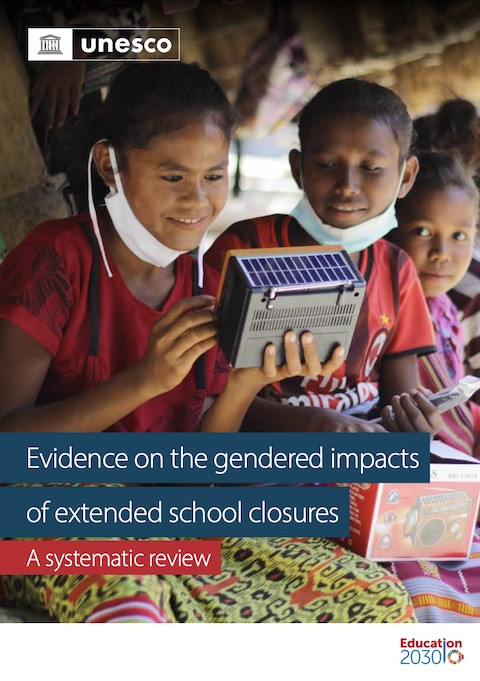
Evidence on the Gendered Impacts of Extended School Closures: A Systematic Review
- Corporate Author
- UNESCO
- ISBN
- ISBN 978-92-3-100511-4
- Collation
- 85 p.
- Resource Language
- English
- Year of publication
- 2022
- Topic
- Human rightsGlobalisation and social justice / International understandingDiversity / Cultural literacy / InclusivenessOthers
- Resource Type
- Research papers / journal articles
- Level of education
- Primary educationSecondary education
- Region
- Global
- Place of publication
- Paris
School closures to mitigate the spread of COVID-19 have affected nearly 1.6 billion learners across the globe. While the scale of these closures is unprecedented, in recent decades children in many contexts have been out of school for long periods due to other pandemics, disruptions and disasters such as floods, earthquake and conflicts – with marked gender effects.
Building on the findings of 154 studies from every region of the world, this study investigates the evidence on the gendered impacts of extended school closures and periods out of school. Through a systematic review of the evidence, it highlights how these can deepen gendered exclusions and vulnerabilities – with the poorest children being the most affected.
Undertaken by a team of leading academic experts on gender equality and education, Evidence on the gendered impacts of extended school closures: A systematic review aims to prevent and mitigate adverse outcomes arising from extended periods of time out of school, by ensuring that responses to current and future crises are informed by a solid understanding of their effects on children’s education, health, well-being and protection.
Related Resources
-
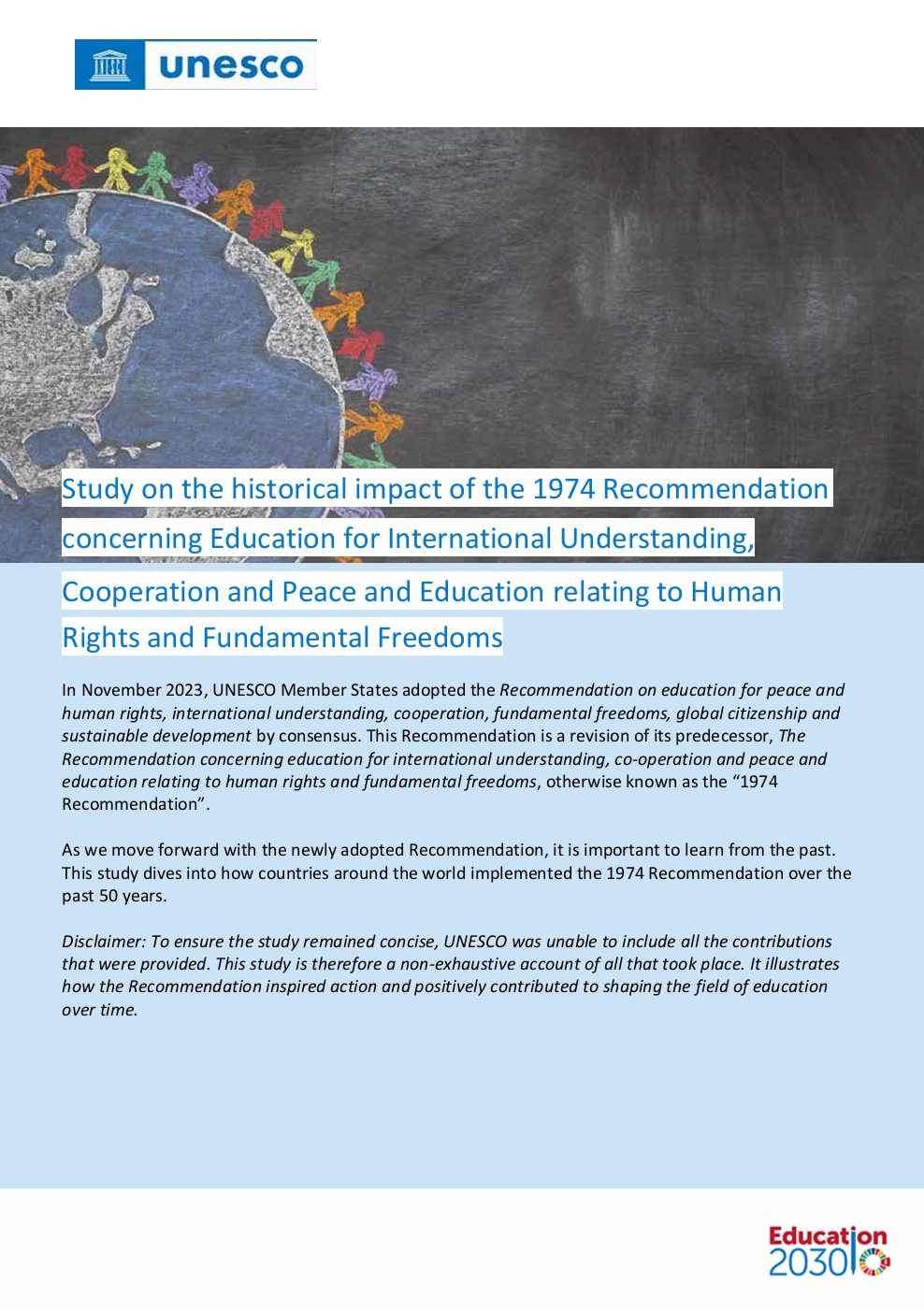 Study on the Historical Impact of the 1974 Recommendation concerning Education for International Understanding, Cooperation and Peace and Education relating to Human Rights and Fundamental Freedoms
 -
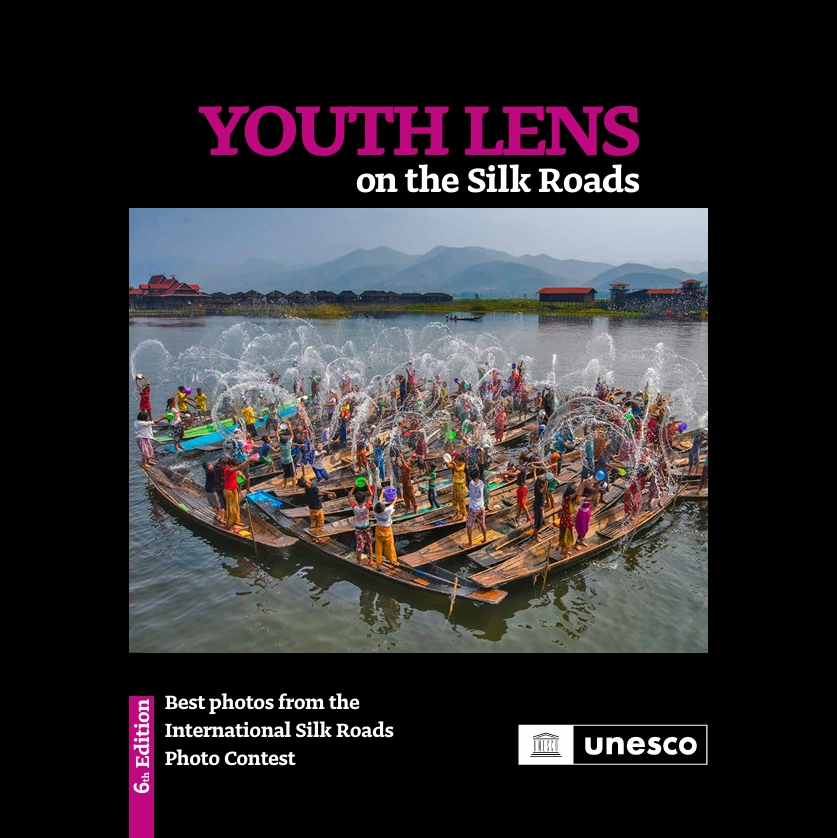 Youth Lens on the Silk Roads: Best Photos from the International Silk Roads Photo Contest; 6th Edition
 -
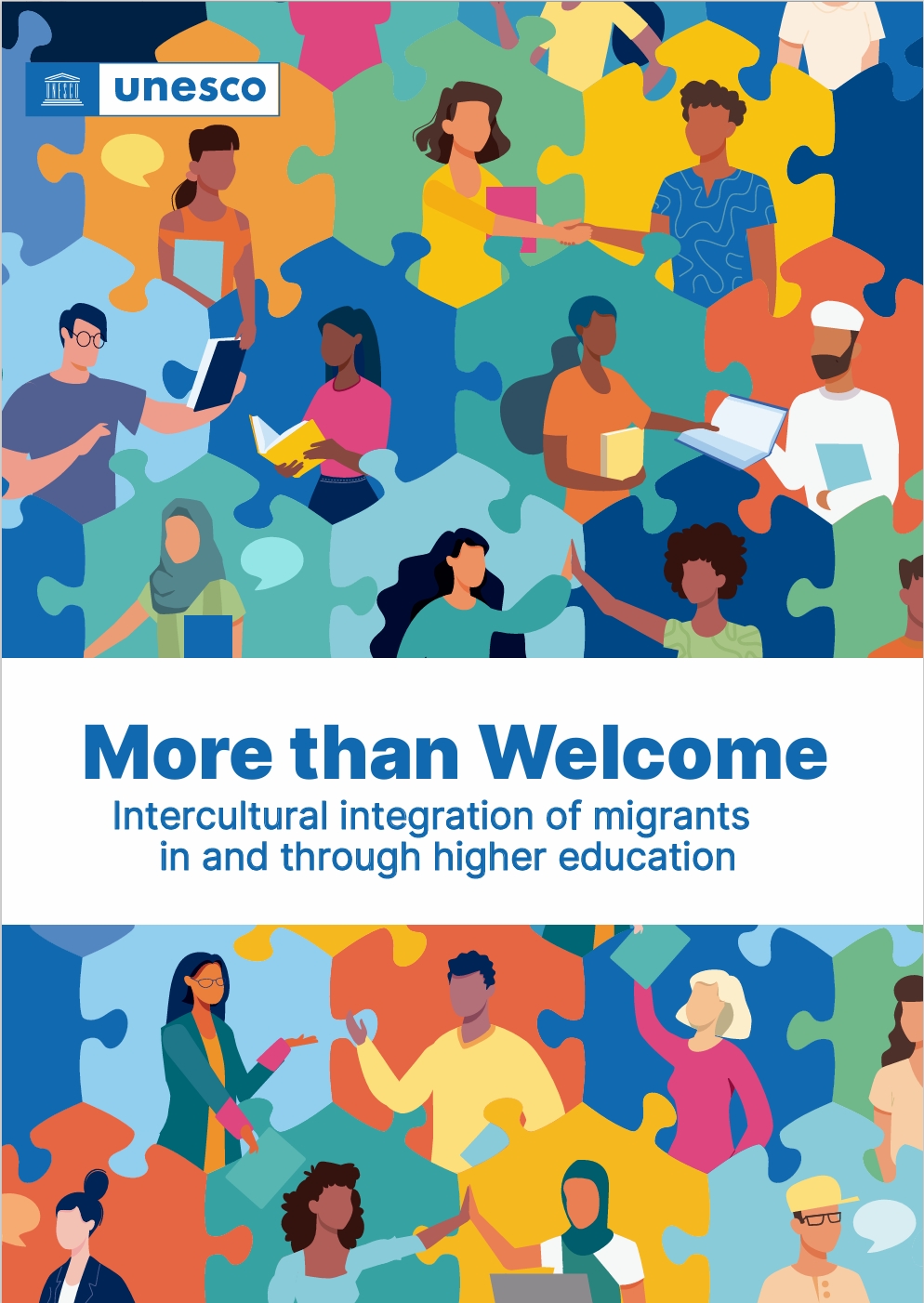 More than Welcome: Intercultural Integration of Migrants in and Through Higher Education
 -
 Addressing Violent Pasts through Education: A Policy Guide