

Regional handbook on life skills programmes for non-formal education
- Corporate Author
- UNESCO Bangkok
- ISBN
- ISBN 978-92-9223-424-9 (electronic)
- Collation
- 121p
- Resource Language
- English
- Year of publication
- 2012
- Resource Type
- Curriculum, teaching-learning materials and guides
- Level of education
- Non-formal education
- Region
- Asia and the Pacific
- Place of publication
- Bangkok
- eBook URL
- [E-BOOK]
The Regional Handbook on Life Skills Programme for Non-formal Education (NFE) was developed for education policy makers, experts in curriculum development, materials development and trainers of personnel in the field of NFE, NFE practitioners such as Community Learning Centres (CLCs) personnel, teachers and facilitators, and researchers. It aims to provide information about life skills programmes and to serve as a practical guide to implement educational programmes to enhance life skills. It is expected to help NFE personnel with adopting, adapting and integrating life skills programmes in NFE. This Handbook consists of two parts as follows: Part one- overview of Life Skills Programme for Non-formal Education (NFE), Part Two- Practical Guide on Integrating Life Skills Programme in NFE. Part One provides answers to various questions related to life skills and life skills progrmmes. Part Two intends to provide practical information about the systematic planning and implementation of life skills programmes for NFE. It offers suggested steps for curriculum development, development of teaching and learning materials, delivery of life skills programmes and monitoring and evaluation strategies. Details of this process are elaborated for NFE practitioners at various levels, but in particular at the community level. This Handbook was developed based on the project outputs of UNESCO Bangkok's 'Life Skills Learning through Non-formal Education" carried out in Asia and the Pacific region from 2003-2006 within the framework of Asia-Pacific Programme of Education for All (APPEAL). The project consisted of country studies, regional meetings, pilot projects and action research in selected countries in the region. A group of experts from the region consolidated the main outputs of the project and developed this Handbook through a series of workshops in 2006-2007 in coordination with UNESCO Bangkok and the office of Non-formal and Informal Education (ONIE) of Thailand Ministry of Education. In addition, resource materials of various organizations including United Nations agencies, government institutions, universities and NGOs were also collected and used for developing this Handbook.
Related Resources
-
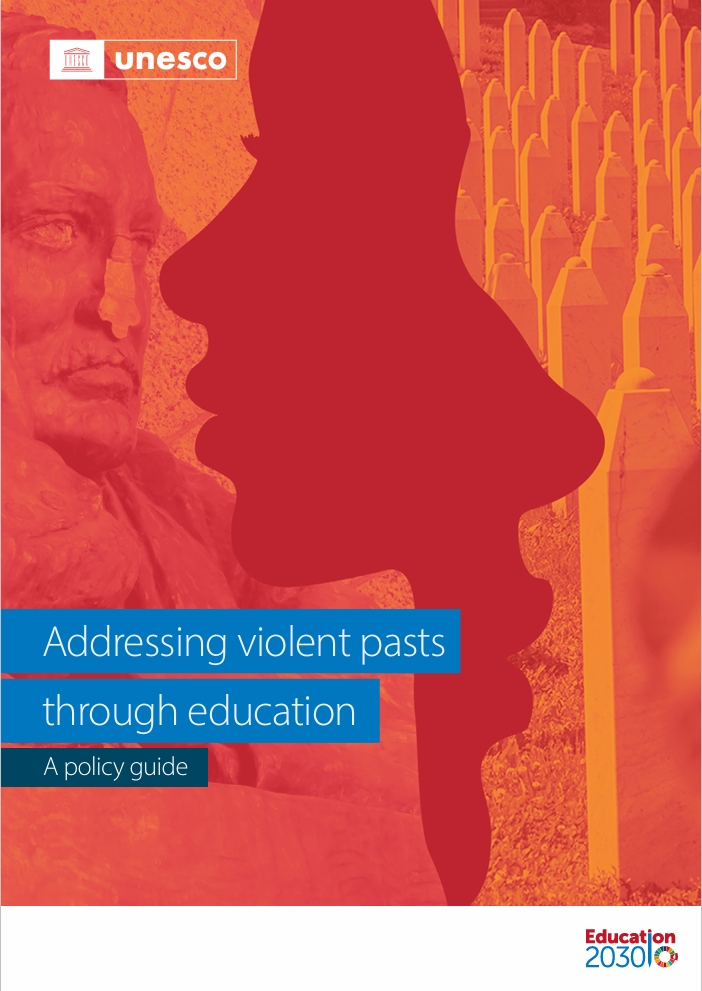 Addressing Violent Pasts through Education: A Policy Guide
 -
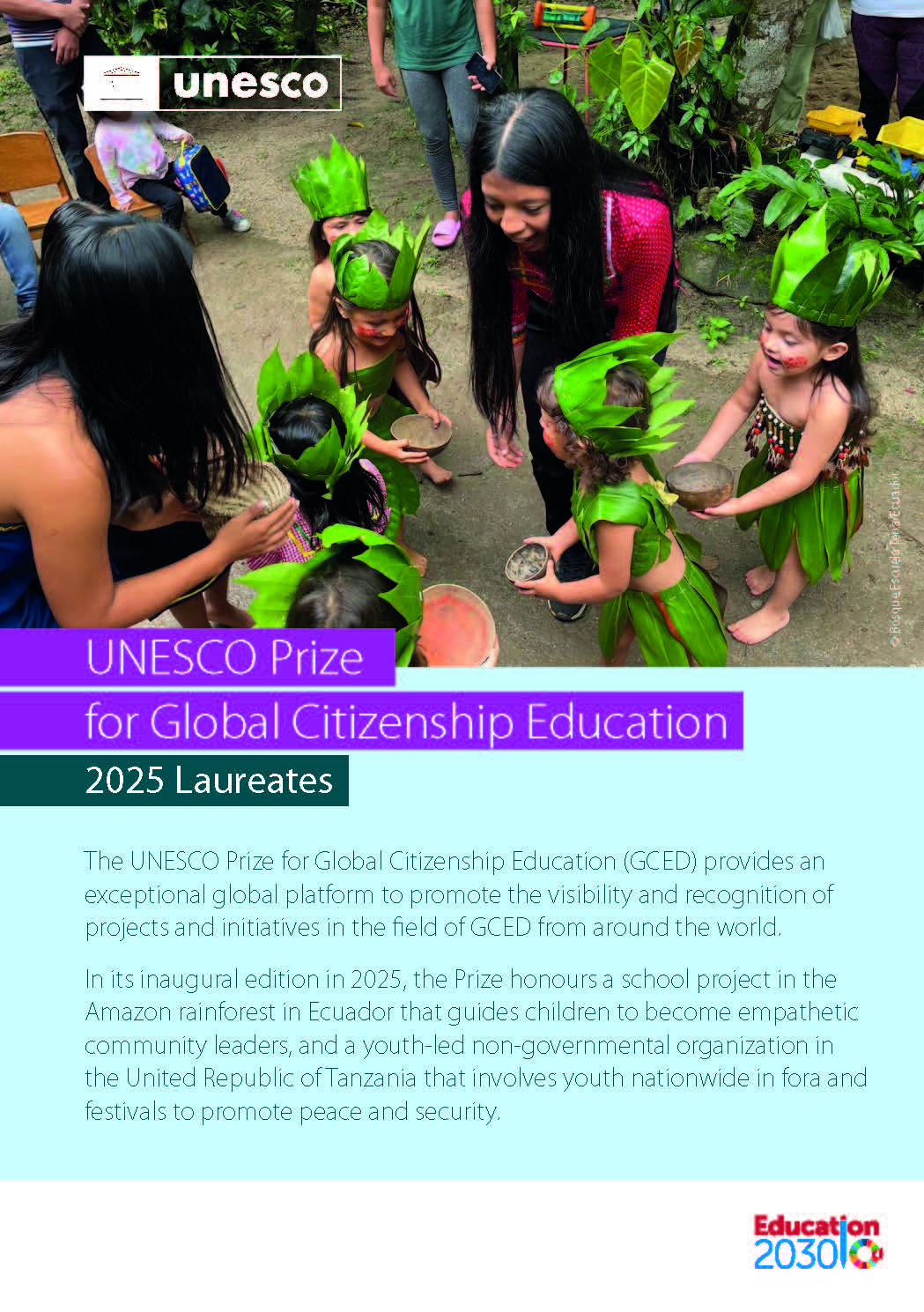 UNESCO Prize for Global Citizenship Education 2025 Laureates
 -
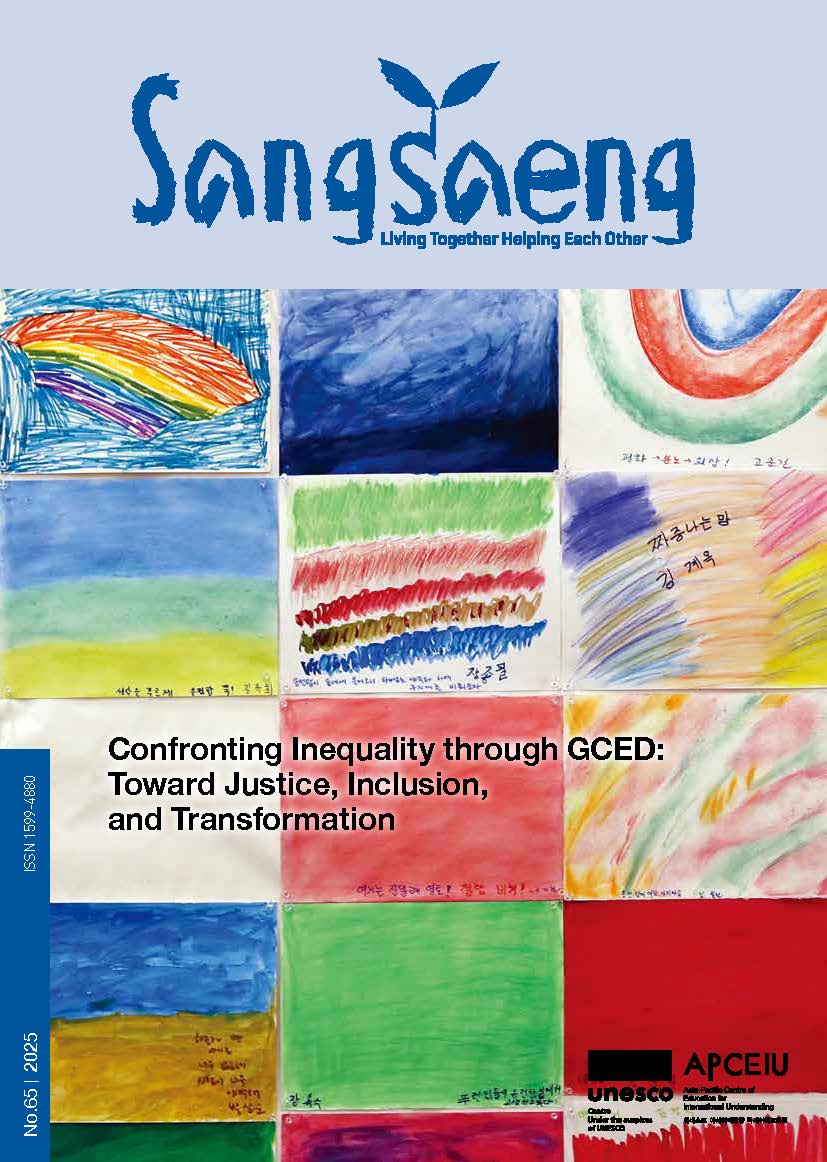 Confronting Inequality through GCED: Toward Justice, Inclusion, and Transformation (SangSaeng; No.65, 2025)
 -
 ACER-APCEIU Global Citizenship Education Monitoring Toolkit: For Teachers, Schools and System Leaders