
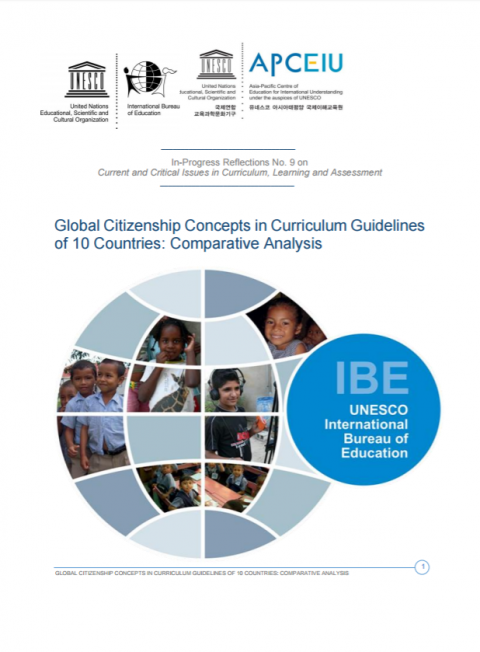
Global Citizenship Concepts in Curriculum Guidelines of 10 Countries: Comparative Analysis
- Author
- Cristián Cox
- Corporate Author
- UNESCO International Bureau of Education (IBE)
- Collation
- 110 p.
- Resource Language
- English
- Year of publication
- 2017
- Keyword
- Civic education
- Resource Type
- Research papers / journal articlesConference and programme reportsCurriculum, teaching-learning materials and guides
- Level of education
- Primary educationSecondary education
- Region
- Global
- Place of publication
- Geneva
This paper reports on a study of concepts associated with the new construct of global citizenship education (GCED) in school curricula. We compared the national school curricula of ten countries with markedly different cultures and levels of development across different regions of the world (Africa, Asia, Europe, Latin America, and Southeast Asia) on the presence of concepts associated with GCED. The curricula of both primary and secondary education, in the areas of history and social sciences, and civics and moral education, were compared using a set of categories constructed for this study and derived from UNESCO’s definitions of GCED as well as from the International Association for the Evaluation of Educational Achievement’s (IEA) international assessment studies of civic and citizenship education. Patterns of presence/absence of GCED and related content were identified. The main finding is that only two of the ten countries’ curricula consistently included global citizenship concepts. At the same time, all ten countries, to the extent that the analysis distinguished, included content related to knowledge, values and attitudes that have the world or humanity as referent.
Related Resources
-
 IIEP-UNESCO 12th Medium-Term Strategy: 2026–2029
 -
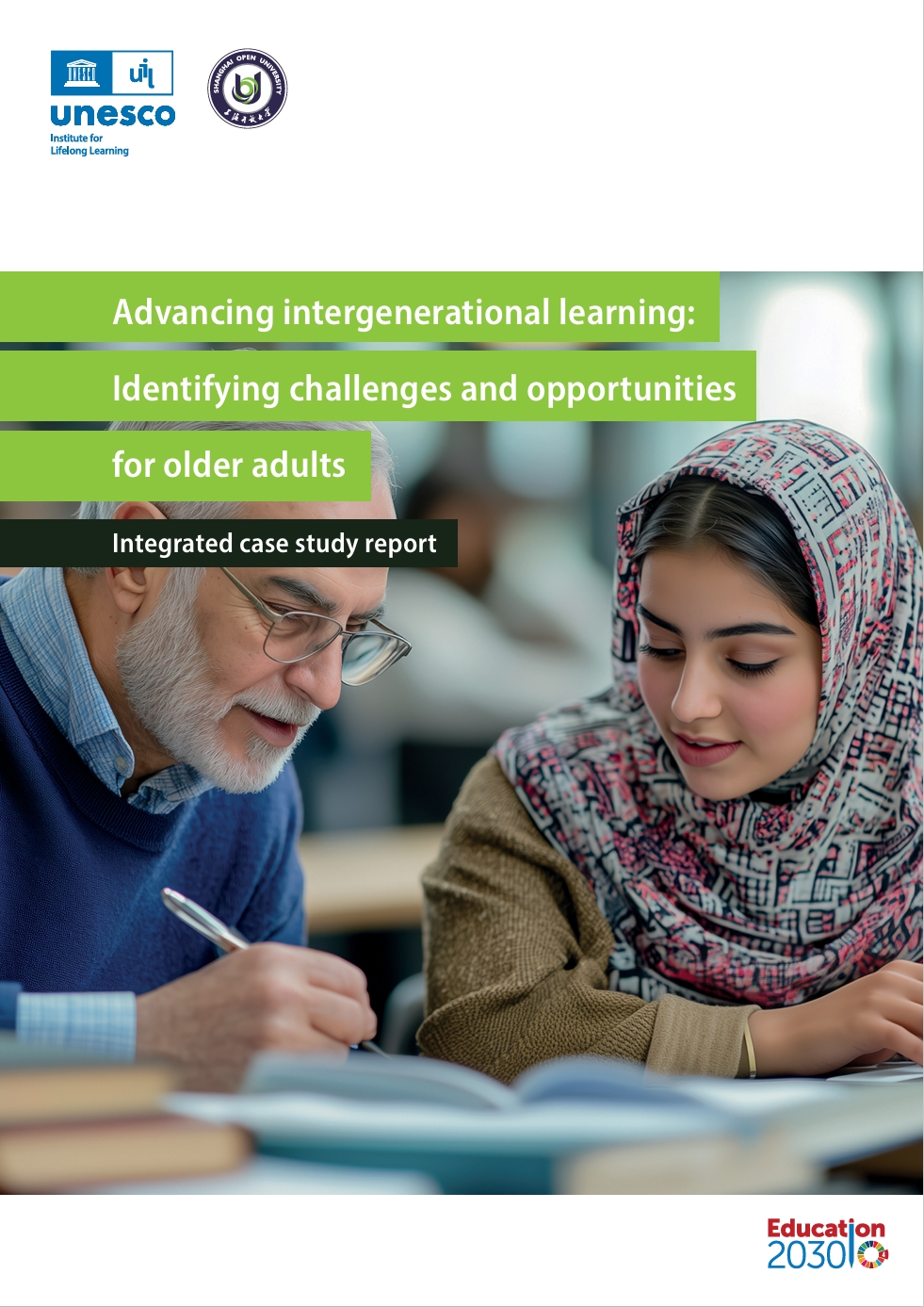 Advancing Intergenerational Learning: Identifying Challenges and Opportunities for Older Adults; Integrated Case Study Report
 -
 Digital Empowerment for Lifelong Learning and Transformative Andragogy (DELTA) for Adult Educators: Introduction to the DELTA Framework and Resources
 -
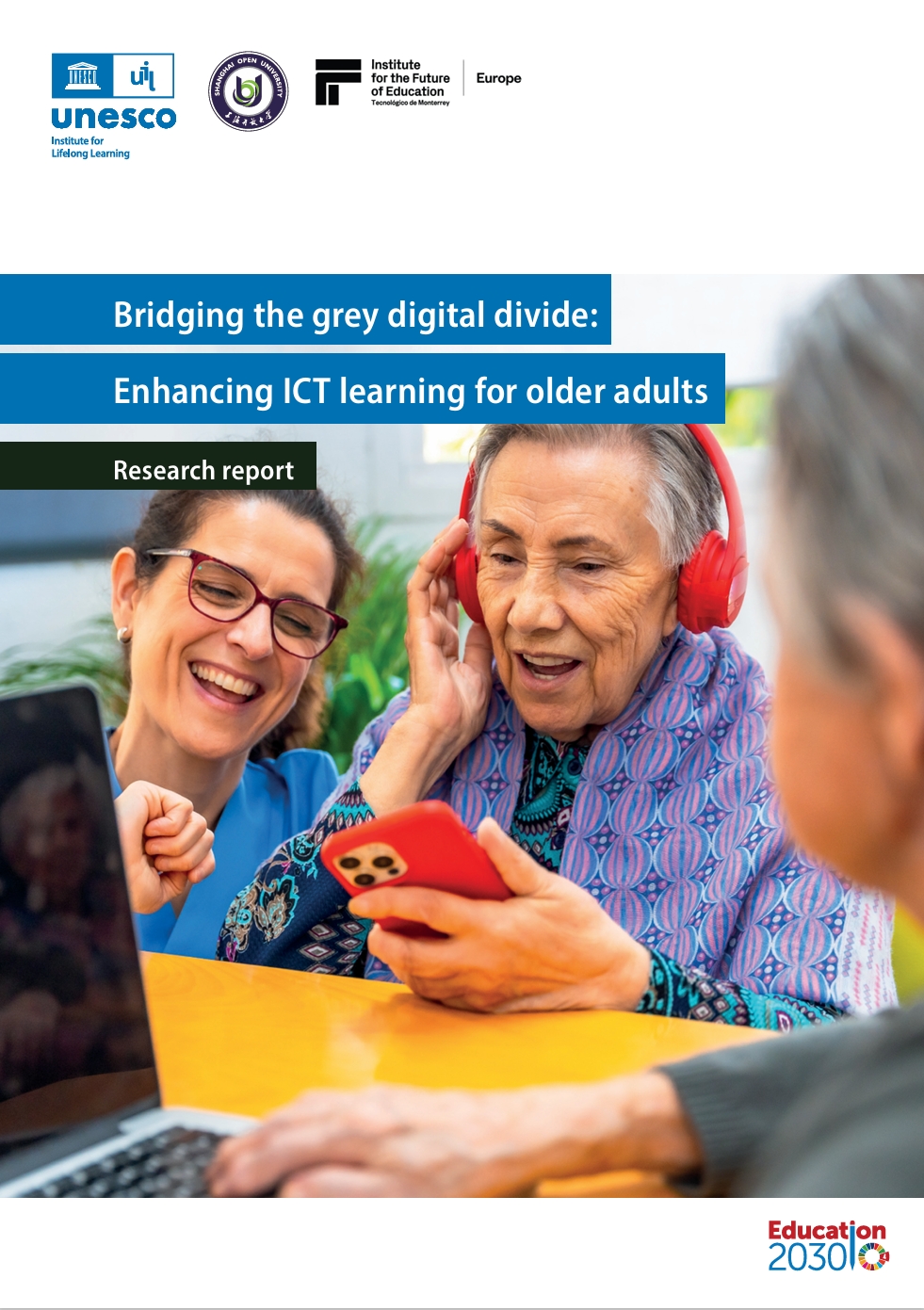 Bridging the Grey Digital Divide: Enhancing ICT Learning for Older Adults; Research Report